

26 African Countries Under Full or Partial U.S. Travel Ban (Post-December Update)
26 African Countries Under Full or Partial U.S. Travel Ban (Post-December Update) Following the December update to U.S.…
Read article →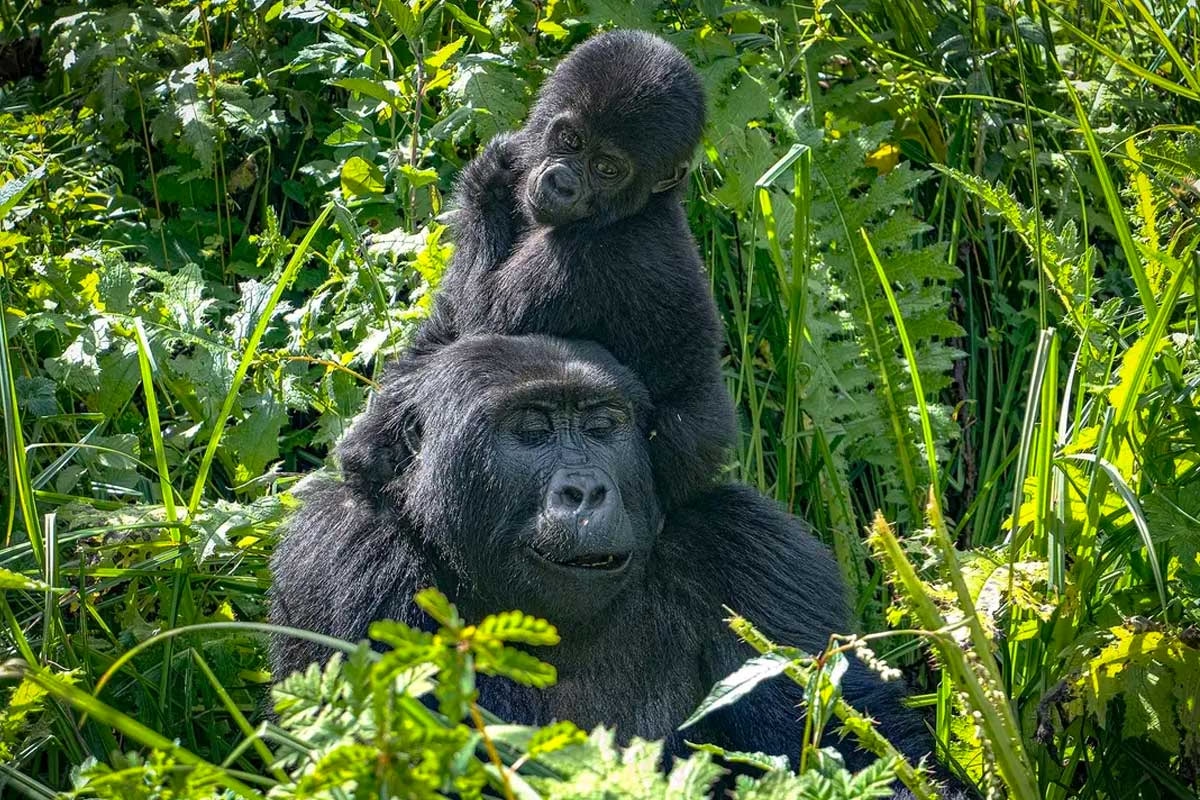
Travel Guide
Discover the differences between traditional gorilla trekking and the gorilla habituation experience in East Africa. Learn which adventure suits you best.
Understanding Gorilla Habituation vs. Traditional Trekking is important when planning a gorilla safari in Uganda. Both experiences take travelers deep into mountain gorilla habitat, but the amount of time spent with gorillas, purpose of the activity, group arrangements and overall character of the forest experience differ.
Traditional gorilla trekking is the familiar option offered in Uganda and Rwanda. Visitors trek to a fully habituated gorilla family and, once the group is located, normally spend up to one hour observing it.
The Gorilla Habituation Experience is a specialized activity available in Uganda’s Bwindi Impenetrable National Park. It allows visitors to spend up to four hours with a gorilla family undergoing the gradual habituation process.
Both experiences are carefully regulated and designed around conservation.
Traditional gorilla trekking involves visiting a gorilla family that has already undergone habituation and become accustomed to controlled human presence.
The day begins at park headquarters with registration and a briefing. Rangers explain forest etiquette, safety procedures and rules for observing gorillas.
Visitors are then divided into groups and assigned a gorilla family.
The hike begins with trackers and ranger guides leading the group through the forest. Trekking duration varies because gorillas move naturally through their habitat rather than remaining in one fixed location.
Once the family is found, the standard observation period begins.
Visitors can watch gorillas feed, groom, rest and interact while guides help interpret their behavior.
Gorilla habituation is the gradual process through which wild gorillas become accustomed to the carefully managed presence of researchers, trackers and eventually tourists.
The process takes time because conservation teams must introduce human presence gradually rather than forcing interaction.
Uganda allows a limited number of visitors to participate in a specialized Gorilla Habituation Experience in the Rushaga area of Bwindi.
Participants accompany experienced field teams into the forest and can spend up to four hours with the gorillas after they are located.
The experience is therefore considerably longer than the standard one-hour encounter.
It also provides a different perspective because the gorillas are at a different stage of becoming familiar with controlled human observation.
Time is the clearest difference between the two activities.
Traditional trekking allows up to one hour with a habituated gorilla family once it has been found.
The habituation experience allows up to four hours with the designated gorilla family.
For photographers, researchers and travelers with a deep interest in primate behavior, those additional hours can be significant.
Four hours provide more opportunities to observe changes in behavior. Gorillas may move between feeding, resting and social interaction during the observation period.
However, more time also means a longer and potentially more tiring day in the forest.
Fully habituated gorillas have become accustomed to carefully controlled visits from people.
They remain wild animals, but ranger-led human presence has become familiar within the limits established by conservation authorities.
A family undergoing habituation may behave differently.
Individuals can be more cautious, less predictable or more mobile around observers. The purpose is not to encourage close interaction but to gradually normalize the presence of conservation teams.
This makes the habituation experience particularly interesting for visitors who want to understand how conservationists prepare gorilla families for regulated tourism and research.
Neither experience should be treated as direct interaction with gorillas. Visitors remain observers and must follow strict instructions.
Standard gorilla trekking generally permits up to eight visitors to trek a habituated gorilla family.
The habituation experience is more restricted, creating a smaller and more specialized activity.
This can appeal to photographers and travelers who prefer an extended forest experience with fewer tourist participants.
However, availability is correspondingly limited.
Because relatively few habituation permits are issued, visitors should arrange them well in advance, particularly when traveling during busy safari months.
Permit availability should be confirmed before finalizing non-refundable flights or accommodation.
Cost is another major consideration when comparing Gorilla Habituation vs. Traditional Trekking.
A standard Uganda gorilla trekking permit costs USD 800 per person.
Uganda’s Gorilla Habituation Experience costs USD 1,500 per person.
The higher habituation permit price reflects the longer period with the gorillas and the specialized nature of the experience.
Rwanda offers standard mountain gorilla trekking in Volcanoes National Park, with a regular permit price of USD 1,500 per person.
Travelers should therefore consider the entire safari rather than looking at permit price alone. Accommodation, transport, domestic flights and the number of nights required can substantially affect the final trip cost.
Both experiences require reasonable preparation.
Bwindi is mountainous, forested and frequently wet. Trails may involve steep slopes, tangled vegetation and slippery ground.
The location of the gorillas changes daily, so no operator can guarantee an exact trekking duration.
The habituation experience can be more demanding because visitors should be prepared for an extended day in the forest and four hours of observation after locating the gorillas.
Traditional trekking can also be challenging, but the observation period is shorter.
Travelers concerned about fitness should discuss their abilities with their safari planner before selecting an experience.
Photography is possible during both activities, but the habituation experience provides substantially more time.
During a standard one-hour encounter, photographers must balance taking pictures with simply watching the gorillas.
Four hours provide more opportunities to wait for behavior, adjust camera settings and experience different lighting or positioning as the family moves.
That does not mean photographs are guaranteed. Forest lighting is difficult, vegetation can obstruct views and gorillas decide where they move.
Flash photography is prohibited.
Photographers should understand their equipment before trekking and carry rain protection because Bwindi’s weather can change rapidly.
Your morning begins at the designated briefing point.
After meeting guides and receiving instructions, you enter the forest. Trackers may already be monitoring the approximate location of the assigned family, but the final approach requires following signs and movements through the forest.
When the gorillas are located, guides prepare visitors for the observation period.
The next hour can reveal a remarkable variety of behavior. A silverback may rest while younger gorillas play nearby. Adults may feed steadily on vegetation, mothers may care for infants, and members of the group may groom one another.
At the end of the hour, visitors move away and begin the hike back.
The habituation experience has a more extended fieldwork atmosphere.
Participants enter the forest with specialists involved in monitoring and habituating the designated gorilla family.
Finding the gorillas can itself be an important part of the experience. Trackers interpret signs such as nests, feeding remains and movement through vegetation.
Once the family is located and the official observation period begins, visitors have considerably more time to watch behavior.
The extended duration encourages patience. Not every minute produces dramatic action, and that is precisely part of observing wild animals.
Visitors see gorillas according to their own natural rhythm rather than expecting constant activity.
Both experiences support gorilla conservation.
Permit systems restrict visitor numbers and generate revenue associated with protected-area management and conservation.
Gorilla tourism also supports employment for rangers, trackers, guides, porters, lodge staff and other workers within tourism communities.
Habituation has an additional scientific and management context because researchers and field teams carefully monitor gorilla families throughout the process.
Visitors should remember that conservation takes priority over tourism.
Rules about distance, illness, noise, food, photography and behavior are designed to protect gorillas rather than simply regulate tourists.
Mountain gorillas share biological similarities with humans and can be vulnerable to human illnesses.
Visitors showing symptoms of contagious illness may be prevented from trekking.
Masks may be required according to current park procedures, and visitors must follow ranger instructions regarding viewing distance.
Never touch a gorilla, even if an animal moves closer. Instead, remain calm and follow instructions from your guide.
Do not eat or drink beside the gorillas. Flash photography should not be used, and voices should remain low.
These rules apply regardless of whether you choose standard trekking or habituation.
The forest environment requires practical clothing.
Wear sturdy waterproof hiking boots with good grip. Long trousers and a long-sleeved shirt help protect against vegetation and insects.
Bring a lightweight waterproof jacket even during drier months because Bwindi is a rainforest.
Gardening gloves can help when using vegetation for balance. Carry drinking water and any food arranged for the trek in a comfortable daypack.
A porter can be extremely useful. Porters help carry bags and provide assistance on difficult sections while creating direct employment for people living near the park.
Both activities operate throughout the year.
June to September and December to February are often popular because conditions can be relatively drier. Trails may be easier than during wetter periods, although rainfall is possible at any time.
March to May and October to November generally bring wetter conditions. The forest becomes particularly lush, while trekking can be muddier and more demanding.
Permit availability can ultimately be more important than season.
Travelers with fixed dates should secure permits early rather than waiting for ideal weather.
Traditional trekking is suitable for travelers who want the classic mountain gorilla encounter, have limited time or prefer a shorter observation period.
The habituation experience is designed for visitors seeking a longer and more specialized day in the forest.
Photographers may value the extra time. Repeat gorilla trekkers may appreciate seeing a different side of conservation work. Wildlife enthusiasts interested in behavior can also benefit from extended observation.
Physical fitness, budget and available time should all influence the decision.
Neither activity should be considered a lesser experience. They simply provide different ways of encountering mountain gorillas.
The choice between Gorilla Habituation vs. Traditional Trekking ultimately depends on what you want from your journey.
Traditional trekking provides the celebrated experience of hiking through mountain rainforest and spending an unforgettable hour with a fully habituated gorilla family.
The Gorilla Habituation Experience extends that encounter to as much as four hours and provides insight into a specialized stage of gorilla conservation.
Both require preparation, respect and realistic expectations. Both also place visitors in one of Africa’s most extraordinary forest environments.
Secure your permit early, prepare physically, bring appropriate trekking equipment and follow your ranger’s instructions throughout the experience. Whether you spend one hour or four hours observing mountain gorillas, the encounter provides a powerful reminder of why protecting Bwindi and its wildlife remains so important.

26 African Countries Under Full or Partial U.S. Travel Ban (Post-December Update) Following the December update to U.S.…
Read article →
3 Days Congo Gorilla Safari – Encounter the Gentle Giants of Virunga A 3 Days Congo Gorilla Safari…
Read article →
Children and Kids on Safari – Family-Friendly Adventures in Africa Taking children on an African safari is one…
Read article →
How to Plan a Safari in Uganda—Your Complete Travel Guide Planning a safari in Uganda is the start…
Read article →