

26 African Countries Under Full or Partial U.S. Travel Ban (Post-December Update)
26 African Countries Under Full or Partial U.S. Travel Ban (Post-December Update) Following the December update to U.S.…
Read article →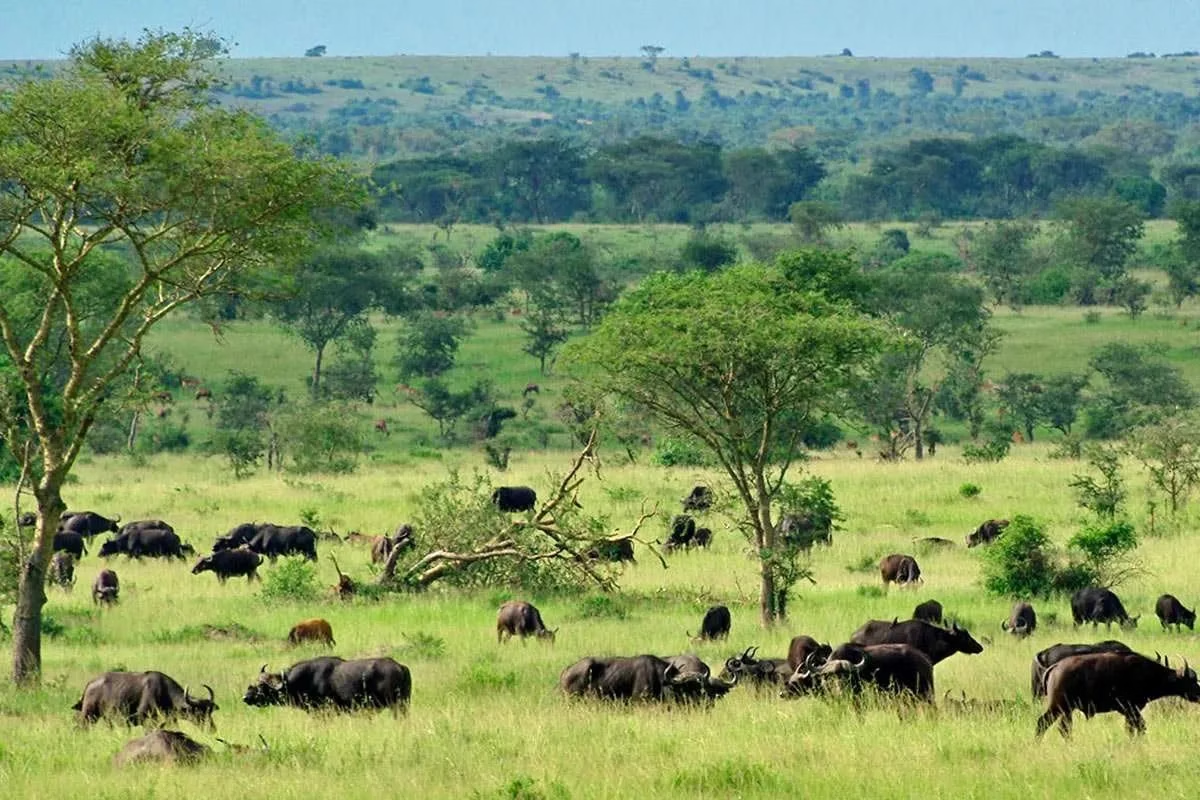
Travel Guide
Learn the best ways to get to Queen Elizabeth National Park, including routes by road and air. Find the fastest, safest, and most scenic ways to reach Uganda’s top safari destination.
Understanding the options for Getting to Queen Elizabeth National Park is an important part of planning a western Uganda safari. The park lies in western Uganda between Lake George and Lake Edward and can be approached by road from Kampala or Entebbe, by domestic air services, or through overland connections from other tourism areas such as Bwindi and Kibale.
The supplied source places the park approximately 400 kilometers from Kampala and describes several access areas, including the Mweya Peninsula, Katunguru area, and the Ishasha Sector.
The most appropriate route depends on where the traveler is starting, how much time is available, which section of the park is being visited, and whether Queen Elizabeth is part of a larger Uganda safari.
Travelers should therefore plan access together with the overall itinerary rather than considering transportation only after accommodation has been booked.
The supplied source places Queen Elizabeth National Park in western Uganda between Lake George and Lake Edward.
The wider landscape contains savannah, crater areas, water environments, and different wildlife habitats.
Kasese lies toward the northern side of the tourism circuit, while routes through Bushenyi and other southwestern areas can provide access from the south and east.
The park’s size means that simply saying an accommodation is “near Queen Elizabeth” is not enough.
The exact sector matters.
The source identifies Mweya Peninsula, Katunguru, and Ishasha among important locations for visitors.
Mweya is associated with central park activities and access to the Kazinga Channel area.
Ishasha lies farther south and is particularly useful for travelers connecting Queen Elizabeth with Bwindi.
Because these areas are separated by driving time, accommodation should be selected according to the activities planned.
The most common method described by the supplied source is driving from Kampala or Entebbe.
The journey is estimated at roughly six to eight hours depending on the final destination and travel conditions.
Travelers should treat these figures as planning estimates rather than guaranteed arrival times.
Traffic, road conditions, stops, and the exact lodge location can all affect the day.
A professional driver-guide can make the transfer easier and incorporate appropriate breaks.
One road option follows the southwestern direction through Masaka and Mbarara before continuing toward the park.
The supplied source describes this as a direct and scenic route and notes the possibility of passing through the broader Lake Mburo region.
This route works particularly well when Queen Elizabeth forms part of a safari connecting several southwestern destinations.
The journey also reveals changing landscapes as travelers leave central Uganda and continue toward the west.
A six-to-eight-hour transfer does not necessarily need to feel like wasted time.
Stops can provide meals, rest, or additional sightseeing depending on the itinerary.
The supplied source mentions Lake Mburo as a possible point of interest along the broader route.
Travelers with more days may even include an overnight stay rather than trying to cover every destination in one long transfer.
The second major road option in the source travels through Mubende, Fort Portal, and Kasese.
This northern approach can be particularly useful for travelers combining Queen Elizabeth with Kibale or other attractions around Fort Portal.
The source also highlights views associated with the Rwenzori Mountains.
Choosing this route can therefore be part of the safari design rather than simply a transportation decision.
Kasese serves as an important gateway area for the northern side of Queen Elizabeth National Park.
Travelers approaching from Fort Portal naturally connect through this part of western Uganda.
The route can work well for itineraries that include Kibale before continuing south.
It also provides access to the wider Rwenzori region.
The supplied source recommends a 4×4 Land Cruiser, particularly when park roads become rough during wetter periods.
The main highway journey and driving inside the national park create different vehicle requirements.
Even when major access roads are in reasonable condition, wildlife tracks can be uneven, muddy, or affected by weather.
A safari vehicle also provides better viewing conditions than a conventional small car.
Travelers with limited time can consider domestic flights.
The supplied source identifies air connections from Entebbe International Airport toward Kasese or airstrips serving the park region.
Flying substantially reduces the amount of road travel required.
This can be useful for short luxury itineraries or for travelers who prefer not to spend most of a day driving between Entebbe and western Uganda.
The source describes Kasese Airstrip as one option, followed by a road transfer toward the park.
It gives an approximate flight duration of about one hour and then describes an onward drive.
Exact schedules and transfer times should be confirmed when booking because domestic aviation operations can change.
Travelers should also ensure the lodge transfer is coordinated with the flight rather than arranging the two parts independently.
The supplied material also refers to Mweya Airstrip, located within the broader park tourism area near Mweya Safari Lodge.
An airstrip closer to the accommodation can reduce road transfer time after landing.
However, availability depends on flight operations and schedules.
Travelers should confirm the current service applicable to their travel date rather than assuming every route operates daily.
The source mentions Aerolink Uganda and other local airlines in relation to domestic services.
Flight schedules should be coordinated carefully with the safari itinerary.
A morning or afternoon departure can affect game-drive plans, lodge meals, and onward transfers.
Because domestic aircraft may have baggage restrictions different from international flights, travelers should also confirm baggage allowances before packing.
Queen Elizabeth National Park combines naturally with Bwindi Impenetrable National Park.
The supplied source describes a road connection from the Bwindi region toward the Ishasha area and gives an approximate journey of two to three hours for one such route.
Actual time depends strongly on the starting location in Bwindi.
The park has several gorilla tourism sectors, so travelers should not assume every Bwindi lodge is equally close to Ishasha.
The Ishasha Sector is particularly convenient when approaching Queen Elizabeth from southwestern Uganda.
The supplied source associates this region with the park’s famous tree-climbing lions.
Entering through Ishasha allows travelers to begin wildlife viewing in the southern sector before continuing north toward other areas.
This creates a logical safari progression rather than driving directly past a major part of the park.
The supplied source also describes a route from Kibale Forest through Fort Portal toward Kasese and northern Queen Elizabeth National Park.
It estimates approximately three to four hours for this transfer.
This makes Kibale and Queen Elizabeth a natural combination within a western Uganda safari.
Travelers can experience chimpanzee-focused forest activities and then transition to savannah game viewing without returning to Kampala between parks.
A logical circuit can reduce unnecessary backtracking.
For example, an itinerary may move from Kampala toward Kibale, continue into Queen Elizabeth, and then proceed south toward Bwindi.
Another route may travel from Kampala through Mbarara, visit Queen Elizabeth, and then continue toward gorilla trekking.
The best direction depends on confirmed permits, accommodation availability, and other scheduled activities.
The supplied source advises travelers to carry the appropriate Uganda Wildlife Authority permit or documentation when entering the park.
Visitors should confirm current entry requirements before departure.
Keeping documents easily accessible prevents unnecessary delays at gates or activity starting points.
A safari operator or guide can normally help organize the required arrangements where these are included in the package.
The source recommends traveling with a professional driver-guide familiar with the park.
This is useful for both navigation and wildlife interpretation.
Inside Queen Elizabeth, a knowledgeable guide understands game-drive tracks, activity areas, and the practical timing required to reach lodges or boat excursions.
Outside the park, the guide manages the road journey and can adapt to changing conditions.
The supplied source mentions possible stopovers involving Lake Mburo, the Rwenzori Mountains, and crater lakes.
These should be incorporated only when the itinerary allows enough time.
Adding every possible attraction to one transfer day can create an exhausting schedule.
A carefully selected stop can enrich the journey, while too many stops may reduce the time available for the main destination.
Road travel provides a stronger sense of Uganda’s changing landscapes and allows easy combination with other destinations.
Flying saves time and can make a short itinerary more efficient.
Neither option is universally appropriate.
Travelers with seven or more days may enjoy an overland circuit, while someone with only a few safari days may value domestic flights.
Budget also influences the decision.
Planning Getting to Queen Elizabeth National Park begins with understanding where the park fits within the wider safari.
Travelers coming directly from Kampala or Entebbe can use road routes through Mbarara or Fort Portal, while domestic flights can reduce travel time. Visitors already exploring western Uganda can connect naturally from Kibale, and those arriving from Bwindi can approach through the southern Ishasha area.
The exact route should match the lodge, park sector, activity schedule, and destinations before or after Queen Elizabeth.
When transportation is designed as part of the safari rather than treated as an afterthought, the journey becomes more efficient and can add scenery and additional experiences to the overall Uganda itinerary.

26 African Countries Under Full or Partial U.S. Travel Ban (Post-December Update) Following the December update to U.S.…
Read article →
3 Days Congo Gorilla Safari – Encounter the Gentle Giants of Virunga A 3 Days Congo Gorilla Safari…
Read article →
Children and Kids on Safari – Family-Friendly Adventures in Africa Taking children on an African safari is one…
Read article →
How to Plan a Safari in Uganda—Your Complete Travel Guide Planning a safari in Uganda is the start…
Read article →