

26 African Countries Under Full or Partial U.S. Travel Ban (Post-December Update)
26 African Countries Under Full or Partial U.S. Travel Ban (Post-December Update) Following the December update to U.S.…
Read article →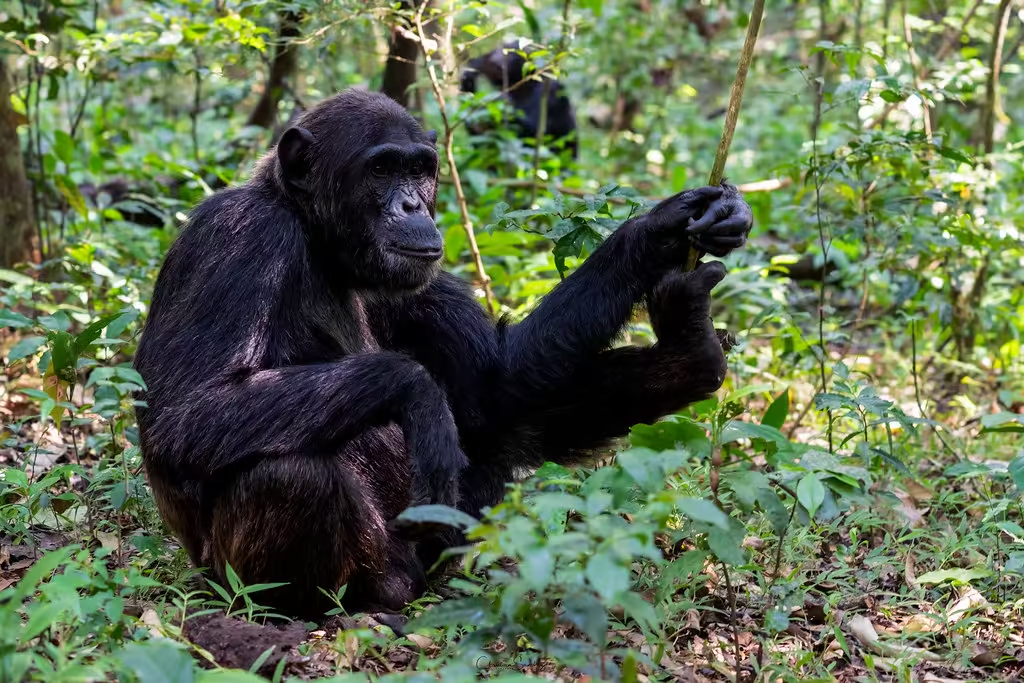
Travel Guide
How to get to Kibale National Park from Kampala, Entebbe, or Mbarara. Explore road and air travel options, gate access, and tips for chimpanzee tracking safaris.
Getting to Kibale National Park requires travelers to think about more than the distance shown on a map. The source specifically frames access around three starting points—Kampala, Entebbe, and Mbarara—while also highlighting road and air travel, gate access, and practical preparation for chimpanzee tracking safaris.
The best route depends on where the traveler is coming from and what happens after Kibale. Someone beginning a Uganda safari in Entebbe may need a different plan from a visitor reaching Kibale after another western Uganda destination.
Accommodation location also matters. Travelers should understand where they are staying relative to their planned activities rather than assuming every property associated with Kibale is positioned in the same place.
Road travel is a practical way of Getting to Kibale National Park for many Uganda safari itineraries.
Travelers beginning in Kampala should ask their operator for the current recommended route and realistic travel time. Traffic leaving the city can influence the journey, and road conditions may change.
An early departure can provide more flexibility, but the schedule should not be designed so tightly that a normal delay creates problems for the entire day.
Visitors starting from Entebbe should distinguish between Entebbe and Kampala when planning. Although the two are connected within the broader metropolitan travel environment, they are not the same starting point.
A traveler arriving on an international flight may prefer to spend a night before beginning the road journey, particularly after a long overnight flight.
Others may continue depending on arrival time and their overall itinerary.
Mbarara is also identified in the source as a possible starting point. This can be relevant for travelers approaching Kibale as part of a broader western Uganda safari.
The complete route should be designed logically so that visitors do not create unnecessary backtracking between destinations.
A professional driver-guide can manage navigation and allow travelers to concentrate on the journey. Road travel also provides opportunities to observe changing landscapes between destinations.
Visitors should wear comfortable clothing and keep water, medication, travel documents, and camera equipment accessible.
The source also highlights air travel options.
Flying can be considered by travelers who want to reduce long road transfers, although current schedules and appropriate connections need to be verified for the actual travel dates.
A domestic flight does not necessarily take a traveler directly to the accommodation. Ground transport will still be required between the relevant arrival point and the lodge or park activity.
Travelers should therefore compare the complete journey rather than only the flight duration.
Baggage allowances can be important, particularly for visitors carrying camera equipment. Smaller aircraft may have restrictions that differ from international flights.
These should be understood before packing.
Gate access is another consideration mentioned in the source.
The appropriate access arrangement depends on the traveler’s route, accommodation, and activity. Visitors should rely on current local guidance rather than attempting to select an entrance based only on a general map.
A well-organized safari operator can coordinate these logistical details.
The purpose of Getting to Kibale National Park for many visitors is chimpanzee tracking.
Transport should therefore be planned around the confirmed activity schedule.
Travelers should avoid arriving so late that they begin the next morning tired and unprepared.
An evening before the activity gives visitors time to organize walking footwear, clothing, rain protection, and camera equipment.
The exact requirements and procedures for chimpanzee tracking should be confirmed through current official arrangements.
Visitors need to attend the relevant briefing and follow guide instructions.
Chimpanzees are wild animals, and tourism takes place within their forest habitat.
Walking conditions can vary. Travelers should wear suitable footwear and comfortable clothing. Long trousers and long sleeves can provide protection against vegetation.
A lightweight rain jacket should remain accessible.
The amount of walking required cannot always be predicted precisely because primates move naturally.
Reasonable fitness can therefore improve the experience.
Visitors should also prepare cameras in advance. Forest light can be challenging, and wildlife may move quickly.
A traveler who understands basic camera settings before entering the forest will be able to concentrate more fully on the encounter.
Photography must remain within the rules provided by guides.
Kibale is often one part of a larger journey.
Travelers may combine forest experiences with other wildlife or scenic destinations. The route should be planned to reduce unnecessary driving while allowing enough time in each location.
Trying to visit too many destinations can create a safari dominated by road transfers.
An additional night in one area can sometimes provide more value than adding another brief stop.
Families should check age requirements for chimpanzee activities before planning. The fact that a child can stay at a lodge does not automatically mean they can participate in every primate experience.
Couples and private travelers may appreciate a slower schedule that includes time to enjoy the forest environment beyond the primary activity.
Birdwatchers and nature enthusiasts may also benefit from additional time in the region.
Travelers should confirm current accommodation details, transfer arrangements, activity requirements, and operational information before booking.
The source establishes the main planning framework but does not provide changing schedules or fees.
Getting to Kibale National Park can involve road or air travel from starting points such as Kampala, Entebbe, or Mbarara. The best choice depends on the complete itinerary, budget, available time, and location of the accommodation.
Road travel can fit naturally into a wider Uganda safari, while flying may reduce transfer time for travelers working with a shorter schedule.
Gate access and final transfers should be coordinated with current local knowledge.
Most importantly, transport should support the chimpanzee experience rather than create unnecessary exhaustion immediately before it.
By planning the journey realistically and allowing enough time to arrive, rest, and prepare, visitors can begin their Kibale experience focused on the forest rather than recovering from poorly organized travel.

26 African Countries Under Full or Partial U.S. Travel Ban (Post-December Update) Following the December update to U.S.…
Read article →
3 Days Congo Gorilla Safari – Encounter the Gentle Giants of Virunga A 3 Days Congo Gorilla Safari…
Read article →
Children and Kids on Safari – Family-Friendly Adventures in Africa Taking children on an African safari is one…
Read article →
How to Plan a Safari in Uganda—Your Complete Travel Guide Planning a safari in Uganda is the start…
Read article →