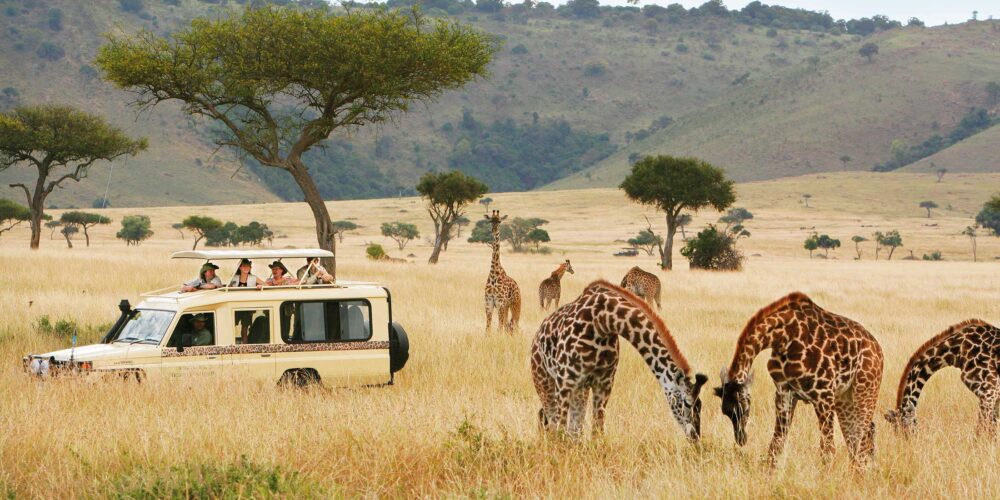

East African Safari vs Southern African Safari
East African Safari vs Southern African Safari: Which Wildlife Adventure Is Right for You?
Africa offers some of the world’s greatest wildlife experiences, but choosing the right safari destination can feel overwhelming. One of the most common questions travelers ask is whether they should visit East Africa or Southern Africa. Both regions promise unforgettable wildlife encounters, spectacular landscapes, and authentic cultural experiences. However, each offers a unique style of safari that appeals to different types of travelers.
East Africa is famous for the Great Migration, mountain gorilla trekking, dramatic savannahs, and iconic national parks such as the Serengeti, Maasai Mara, Bwindi Impenetrable National Park, and Amboseli National Park. Countries like Uganda, Rwanda, Kenya, and Tanzania have shaped the image of the classic African safari for generations.
Southern Africa presents a different experience. Countries including South Africa, Botswana, Zambia, Zimbabwe, Namibia, and Mozambique combine exceptional wildlife with diverse landscapes, luxury lodges, and unique activities. Visitors can enjoy game drives in Kruger National Park, canoe safaris on the Zambezi River, walking safaris in South Luangwa, mokoro excursions through Botswana’s Okavango Delta, and breathtaking views of Victoria Falls.
Choosing between an East African safari and a Southern African safari depends on your travel goals, budget, preferred wildlife, and the experiences you value most. Understanding the differences between these regions will help you plan an African adventure that exceeds your expectations.
Wildlife Experience
Wildlife is the heart of every African safari, yet the viewing experience differs between East and Southern Africa.
East Africa is known for its vast wildlife populations and dramatic natural spectacles. The Serengeti National Park and Kenya’s Maasai Mara host the Great Migration, where more than two million wildebeest, zebras, and gazelles move across the plains in search of fresh grazing. This annual movement attracts predators, creating some of the world’s most exciting wildlife encounters.
Uganda and Rwanda add another dimension through mountain gorilla trekking and chimpanzee tracking. Spending an hour with a wild gorilla family creates a deeply personal experience that few destinations can match.
Southern Africa focuses on exceptional Big Five safaris and diverse ecosystems. Kruger National Park supports healthy populations of lions, elephants, leopards, buffaloes, and rhinos, while Botswana’s Okavango Delta offers remarkable wildlife viewing from both land and water.
Zambia and Zimbabwe are famous for walking safaris that allow visitors to experience wildlife from ground level under the guidance of professional rangers.
Travellers seeking large wildlife spectacles often choose East Africa, while those looking for varied safari activities may prefer Southern Africa.
Landscapes and Natural Beauty
The scenery changes dramatically between the two regions.
East Africa features endless grasslands, volcanic mountains, ancient rainforests, freshwater lakes, and rolling hills. The Serengeti stretches towards the horizon with seemingly endless plains, while the Ngorongoro Crater creates one of Africa’s most remarkable wildlife landscapes.
Uganda offers mist-covered mountains, tropical forests, powerful waterfalls, and the source of the Nile. Rwanda combines volcanic peaks with lush forests, creating beautiful settings for gorilla trekking.
Southern Africa presents an equally impressive variety of landscapes. Botswana’s Okavango Delta transforms seasonal floodwaters into one of the world’s largest inland wetlands. Namibia offers towering sand dunes in the Namib Desert alongside dramatic coastal scenery.
Zimbabwe and Zambia share the magnificent Victoria Falls, while South Africa combines mountains, coastlines, vineyards, and wildlife reserves within a single country.
East Africa showcases classic safari scenery, while Southern Africa offers greater geographical diversity.
Safari Activities
Both regions provide outstanding game drives, but the range of activities differs.
East Africa focuses on traditional wildlife viewing, balloon safaris over the Serengeti, gorilla trekking, chimpanzee tracking, cultural visits, and photography safaris. Visitors often spend long days exploring open plains while following migrating wildlife or searching for predators.
Southern Africa expands the safari experience with additional adventure activities. Walking safaris allow guests to understand animal behavior from a different perspective. Canoe safaris along the Zambezi River offer close encounters with hippos, crocodiles, and elephants.
Botswana’s mokoro excursions glide silently through the Okavango Delta, creating peaceful wildlife experiences that are impossible to replicate elsewhere.
Victoria Falls also offers activities such as helicopter flights, river cruises, white-water rafting, and bungee jumping.
Travellers looking for adventure beyond traditional game drives often find Southern Africa particularly appealing.
Gorilla Trekking and Primate Experiences
One of the biggest differences between the regions is the opportunity to see great apes.
East Africa is the only region where visitors can combine traditional wildlife safaris with mountain gorilla trekking. Uganda’s Bwindi Impenetrable National Park and Rwanda’s Volcanoes National Park provide access to endangered mountain gorillas.
Uganda also offers chimpanzee trekking in Kibale Forest National Park, while Rwanda provides chimpanzee tracking in Nyungwe Forest National Park.
Southern Africa does not offer mountain gorilla trekking or wild chimpanzee experiences. The region focuses primarily on classic safari wildlife and wilderness adventures.
Travellers who dream of meeting mountain gorillas should choose East Africa.
The Big Five Experience
Both regions offer excellent opportunities to see the Big Five, but the experience differs.
East Africa combines Big Five viewing with large predator populations and seasonal wildlife movements. Tanzania’s Serengeti and Ngorongoro Crater, together with Kenya’s Maasai Mara, consistently deliver exceptional game viewing.
Southern Africa provides equally rewarding Big Five safaris. South Africa’s Kruger National Park has one of Africa’s largest protected wildlife populations, while Botswana and Zimbabwe offer outstanding predator sightings within less crowded environments.
Rhino conservation areas in South Africa also provide excellent opportunities to see both black and white rhinos.
Neither region clearly outperforms the other when it comes to the Big Five. Instead, the surrounding landscape and safari style create different experiences.
Accommodation and Safari Style
Accommodation plays a major role in shaping the overall safari experience.
East Africa offers a wide selection of tented camps, safari lodges, and boutique properties positioned close to major wildlife areas. Many camps allow guests to stay near migration routes or within rainforest settings.
Southern Africa has developed a strong reputation for luxury safari lodges with exceptional service and innovative design. Many properties feature private concessions where guests enjoy exclusive wildlife viewing with fewer vehicles.
Botswana, in particular, focuses on low-volume tourism, creating highly personalized safari experiences.
Travellers seeking exclusivity often favour Southern Africa, while those wanting iconic safari camps and migration experiences frequently choose East Africa.
Accessibility and Travel
East Africa generally involves longer driving distances between national parks, although domestic flights reduce travel times on many safari routes.
Kenya and Tanzania have well-developed tourism infrastructure, while Uganda and Rwanda offer reliable road networks for most safari circuits.
Southern Africa benefits from strong regional flight connections between countries. South Africa also has excellent road infrastructure, making self-drive safaris possible in several national parks.
Travellers planning multi-country itineraries often find Southern Africa easier to explore because of well-established transport networks.
Cost Comparison
Safari costs vary according to destination, season, accommodation, and activities.
East Africa offers a wide range of safari options. Gorilla trekking permits increase the overall budget in Uganda and Rwanda, while migration safaris during peak season also command premium prices.
Southern Africa includes both affordable and luxury experiences. South Africa generally provides excellent value for money, while Botswana’s exclusive tourism model often results in higher safari costs.
Namibia offers flexible self-drive safaris that can reduce overall travel expenses.
Budget-conscious travellers can find excellent options in both regions, although costs depend more on itinerary design than geography alone.
East African Safari vs Southern African Safari: Which Is Better?
There is no single answer because both regions deliver extraordinary safari experiences.
East Africa is the better choice for travellers who want to witness the Great Migration, trek mountain gorillas, photograph endless savannahs, and experience some of Africa’s most iconic wildlife destinations.
Southern Africa is ideal for visitors seeking luxury lodges, walking safaris, canoe adventures, desert landscapes, and exceptional Big Five viewing within diverse ecosystems.
Many experienced travellers eventually visit both regions because they complement each other perfectly.
An East African safari reveals Africa’s famous wildlife spectacles, while Southern Africa introduces visitors to new landscapes, different safari styles, and unforgettable wilderness experiences.
Plan Your Safari
Whether you choose East Africa or Southern Africa, you will discover incredible wildlife, welcoming cultures, and breathtaking natural beauty. The best safari is the one that matches your interests, travel style, and expectations.
If you dream of watching the Great Migration or standing face-to-face with mountain gorillas, East Africa should be at the top of your list.
If you prefer luxury lodges, walking safaris, river adventures, and spectacular destinations like Victoria Falls or the Okavango Delta, Southern Africa will exceed your expectations.
Many travelers begin with one region and return later to explore the other. Together, they represent the very best of Africa’s wildlife and conservation success.