

26 African Countries Under Full or Partial U.S. Travel Ban (Post-December Update)
26 African Countries Under Full or Partial U.S. Travel Ban (Post-December Update) Following the December update to U.S.…
Read article →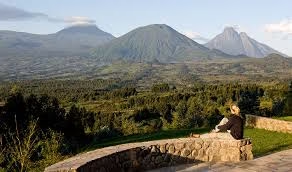
Travel Guide
Discover the best day trips in Rwanda from Kigali. Explore gorilla encounters, lakeside escapes, volcano hikes, and cultural villages for unforgettable short adventures.
Rwanda day trips allow travelers based in Kigali or another central location to experience more of the country’s landscapes, culture and wildlife without changing accommodation every night. Rwanda’s relatively compact geography makes several meaningful excursions possible, although travelers should still consider road time carefully before describing any destination as a comfortable day trip.
The best excursion is not necessarily the one that travels farthest.
A successful day trip allows enough time at the destination to enjoy the activity before returning without an exhausting schedule.
Kigali provides the most common starting point because many international visitors arrive there and because the city connects with different parts of the country by road.
Depending on interests and available time, a day can focus on history, culture, wildlife, lakes or mountain landscapes.
Travelers staying in Kigali should not assume they must leave the city to have a meaningful day.
A well-planned city experience can introduce Rwanda’s history, markets, neighborhoods, food and contemporary culture.
Using a knowledgeable guide helps connect individual sites into a coherent story.
The day can be adjusted according to interests instead of following a rigid sightseeing checklist.
The Kigali Genocide Memorial is one of the country’s most important historical sites.
Visitors should approach it with sufficient time and respect.
The subject matter is emotionally difficult, and the visit should not be squeezed between several light entertainment activities.
Travelers benefit from allowing time afterward to process what they have learned.
Markets and craft spaces can provide a different perspective on city life.
Visitors can observe local commerce and purchase appropriate products from legitimate businesses.
Photography should be respectful.
A market is a workplace, and individual vendors should not be treated as tourist attractions without their consent.
The Volcanoes National Park region is among Rwanda’s most famous destinations.
Some activities can be considered within a very long day from Kigali depending on reporting times and logistics, but travelers should think carefully before forcing major mountain experiences into a rushed return schedule.
Staying overnight near the park is often more comfortable, particularly for early-start activities.
The region deserves more than a hurried visit when time allows.
Mountain gorilla trekking is sometimes marketed within short Kigali itineraries.
Rwanda’s standard international gorilla permit costs USD 1,500 per person, and trekkers need to report for the morning briefing.
The minimum age is 15.
Because trekking duration cannot be predicted, travelers should avoid treating the activity like a conventional attraction with a fixed finishing time.
An overnight stay near Volcanoes National Park often provides better logistics.
Standard groups contain a maximum of eight visitors around a habituated gorilla family.
Once the gorillas are located, the standard observation period is approximately one hour.
Visitors should maintain the required distance where conditions allow, follow masking requirements and never touch the gorillas.
The wildlife experience remains controlled regardless of whether the traveler is visiting on a short itinerary or a longer safari.
Golden monkey tracking provides another primate experience in the Volcanoes region.
The monkeys are active and can move rapidly through vegetation, creating a different experience from observing gorillas.
Travelers should confirm current permit and activity arrangements before departure.
Strong walking shoes and rain protection remain useful because mountain weather can change quickly.
The Dian Fossey Tomb hike combines mountain scenery with the history of gorilla research and conservation.
It is a genuine hike rather than a short memorial visit.
Travelers should prepare for mud, steep sections and changing weather.
Trying to complete the hike and then rush toward another distant attraction on the same day can reduce the quality of the experience.
Lake Kivu provides a contrasting option for travelers interested in scenery and relaxation.
Depending on the chosen lakeside destination and starting point, road travel can consume a significant portion of the day.
For that reason, some Lake Kivu visits work better with an overnight stay.
Travelers who do make a day excursion should choose one focused activity rather than attempting to explore a large section of the shoreline.
Boat trips, kayaking and relaxed waterfront experiences may be available through suitable operators.
Safety standards should be confirmed.
Travelers should use flotation equipment where required and follow local guidance concerning swimming.
A beautiful shoreline does not automatically mean every section is appropriate for entering the water.
Akagera National Park provides Rwanda’s principal savannah safari environment.
A day trip can be arranged from Kigali, but it involves an early start and substantial driving.
Travelers with enough time often benefit from staying overnight because wildlife viewing is more enjoyable when the itinerary is not dominated by the return journey.
Still, a well-organized day safari can provide an introduction to the park.
Game drives allow visitors to search for mammals and birds across savannah, woodland and wetland habitats.
Wildlife sightings depend on natural movement.
Guides use knowledge of habitat and recent activity to select routes.
Visitors should avoid approaching the day with a rigid checklist because a safari is most rewarding when unexpected sightings are appreciated.
Where scheduling permits, a boat activity can add another dimension to an Akagera visit.
Aquatic and shoreline wildlife becomes the focus.
Combining a long game drive, boat trip and return to Kigali within one day may be too ambitious depending on timing.
Travelers should prioritize quality over the number of activities completed.
Travelers interested in Rwanda’s history may consider guided visits in the Bugesera area.
Sites connected with the 1994 Genocide against the Tutsi require respectful behavior and thoughtful interpretation.
These should not be approached as ordinary sightseeing attractions.
A knowledgeable guide can provide historical context and help visitors understand what they are seeing.
Community and cultural activities can be incorporated into Rwanda day trips when they are organized responsibly.
Travelers may learn about crafts, food, dance, agriculture or local history.
The best experiences allow residents to present their own culture rather than performing an artificial version designed entirely around tourist expectations.
Visitors should ask permission before photographing individuals.
Rwanda’s coffee industry provides another theme for a day excursion.
Depending on location and program, visitors can learn about cultivation and processing.
A coffee experience becomes more meaningful when it explains the work involved before the final drink reaches the cup.
Purchasing products directly from legitimate producers can also support local enterprise.
Travelers interested in Rwanda’s pre-colonial and royal history can consider excursions connected with relevant cultural and historical institutions.
Road time should be calculated before combining several distant sites.
A focused historical day often provides more understanding than trying to visit multiple attractions in different regions.
Guided interpretation adds significant value.
Rwanda’s size can create the misleading impression that every destination is close to Kigali.
Mountain roads, traffic and activity reporting times affect practical travel duration.
Travelers should ask for realistic door-to-door estimates.
A destination that appears relatively close on a map may still require an early departure and late return.
Private transportation is particularly useful for day trips because it provides flexibility.
Travelers can adjust stops according to interest and spend longer at places they enjoy.
A knowledgeable driver-guide also handles navigation and explains the landscape.
The additional cost can be worthwhile when only one day is available.
Carry water, sun protection and a light waterproof layer.
Mountain activities require stronger hiking equipment.
Travelers visiting memorial sites should dress respectfully.
Camera equipment should be selected according to the activity rather than carrying an unnecessarily heavy bag throughout the day.
One of the most common mistakes with Rwanda day trips is trying to combine too many distant experiences.
A gorilla trek, major cultural visit and Lake Kivu excursion do not belong in one rushed day.
Travel should provide time to understand a place.
Reducing the number of stops often improves the experience considerably.
The best excursion depends on what the traveler wants to understand about Rwanda.
Kigali provides history and contemporary culture. Akagera introduces savannah wildlife. The Volcanoes region provides primates and mountain landscapes, while Lake Kivu offers a slower waterside experience.
Some of these destinations are technically reachable within a long day but become more enjoyable with an overnight stay.
Well-designed Rwanda day trips therefore balance ambition with realistic travel time. When travelers choose one main theme and allow enough time to experience it properly, even a single free day can add substantial depth to a Rwanda journey.

26 African Countries Under Full or Partial U.S. Travel Ban (Post-December Update) Following the December update to U.S.…
Read article →
3 Days Congo Gorilla Safari – Encounter the Gentle Giants of Virunga A 3 Days Congo Gorilla Safari…
Read article →
Children and Kids on Safari – Family-Friendly Adventures in Africa Taking children on an African safari is one…
Read article →
How to Plan a Safari in Uganda—Your Complete Travel Guide Planning a safari in Uganda is the start…
Read article →