

26 African Countries Under Full or Partial U.S. Travel Ban (Post-December Update)
26 African Countries Under Full or Partial U.S. Travel Ban (Post-December Update) Following the December update to U.S.…
Read article →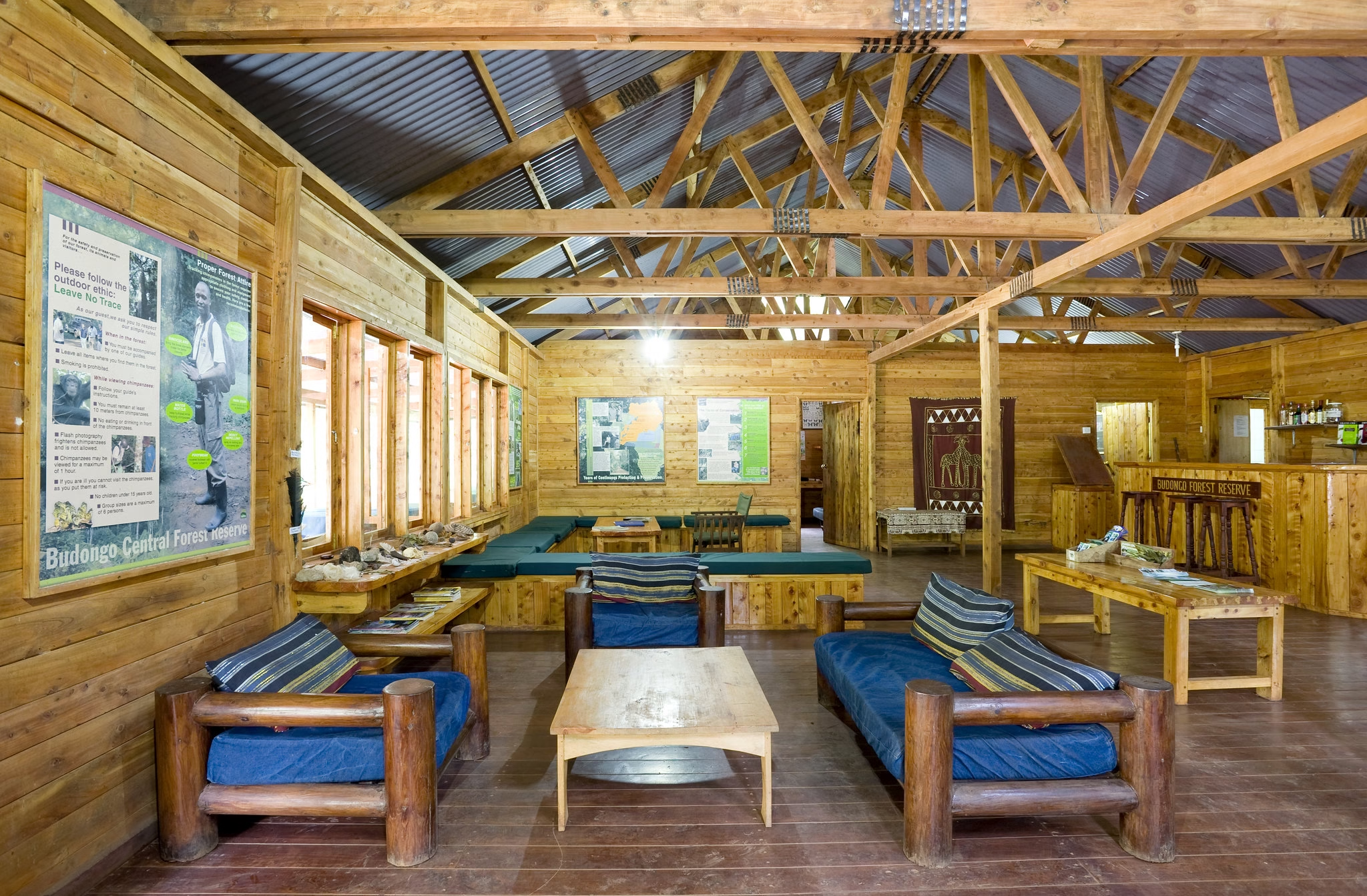
Travel Guide
Stay at Budongo Eco Lodge for an eco-friendly experience in Uganda’s Budongo Forest. Enjoy chimpanzee tracking, birdwatching, and nature walks near Murchison Falls.
Budongo Eco Lodge: Chimpanzee Tracking & Rainforest Retreats. provides travelers with a base for exploring the Budongo Forest landscape and experiencing one of Uganda’s important tropical forest ecosystems. The lodge is particularly relevant to travelers combining chimpanzee experiences with a safari through the wider Murchison Falls region, allowing the itinerary to move naturally between rainforest and savannah environments.
Staying near a forest changes the rhythm of a safari. Instead of beginning every morning with a vehicle journey across open plains, travelers can wake to forest sounds and spend time exploring an environment where wildlife is frequently heard before it is seen. Chimpanzees may provide the principal motivation for visiting, but Budongo’s appeal extends to birds, trees, smaller primates and the broader ecology of the forest.
A stay is therefore most rewarding when travelers allow enough time to appreciate the forest rather than treating it solely as a location for one scheduled primate activity.
Budongo Forest lies within the wider Murchison Falls conservation landscape of northwestern Uganda. Its dense vegetation provides a striking contrast with the open wildlife-viewing areas found elsewhere in the region.
This geographical relationship makes Budongo useful within a broader Uganda safari. Travelers can spend time searching for chimpanzees in the forest before continuing toward game drives and Nile-based activities in Murchison Falls National Park.
The change in habitat also changes the style of wildlife observation. Savannah safaris often depend on scanning large areas from a vehicle, while forest experiences require slower movement and closer attention to sound, tracks and movement within vegetation.
One of the main advantages of Budongo Eco Lodge: Chimpanzee Tracking & Rainforest Retreats. is the opportunity to stay close to the environment being explored. Early forest activities are easier when travelers do not need to begin with a lengthy road transfer.
The location can also make the experience feel more immersive. Morning bird calls and the forest atmosphere become part of the stay rather than something encountered only during a scheduled excursion.
Travelers should still confirm the precise arrangements for their chosen activities before arrival. Chimpanzee experiences, guided walks and other forest activities may have specific reporting times, requirements and availability.
Chimpanzee tracking is one of the major reasons visitors travel to Budongo. The experience involves entering the forest with trained guides and searching for habituated chimpanzees using knowledge of their recent movements, vocalizations and feeding patterns.
Chimpanzees are highly mobile animals. They may travel through the forest quickly, feed high in trees or remain partly concealed by vegetation. This means a tracking experience can be physically and visually different from one day to another.
Visitors should approach the activity with patience. The forest is not a controlled wildlife enclosure, and the chimpanzees determine where they move.
Sound is particularly important during chimpanzee tracking. Calls can travel through the forest and help guides understand where chimpanzees may be located.
For visitors, hearing chimpanzees before seeing them can be one of the most exciting moments of the experience. The calls emphasize the size and complexity of the forest because animals may be audible long before they become visible.
Remaining quiet also improves opportunities to notice birds and other primates. Constant conversation can cause visitors to miss much of what makes a forest walk interesting.
Forest photography requires different techniques from open savannah photography. Light levels can be low, and chimpanzees may move quickly between bright openings and deep shade.
Photographers should understand how to increase ISO and adjust shutter speed without relying on flash. Equipment should be protected from moisture because tropical forest conditions can change quickly.
A long lens can help when chimpanzees remain in trees, but carrying excessive equipment can make walking uncomfortable. A practical camera setup often produces a better overall experience than attempting to carry every available lens.
Budongo’s forest environment provides substantial opportunities for birdwatching. Travelers interested in birds should carry binoculars and consider spending time with a guide who understands forest species.
Forest birding requires patience because birds can remain hidden within vegetation even when they are calling nearby. Guides often identify species through sound before obtaining a visual sighting.
For non-specialist visitors, birdwatching can still deepen appreciation of the forest. Paying attention to different calls and feeding behaviors reveals how much activity exists beyond the primates.
Guided nature walks provide an opportunity to experience Budongo without concentrating exclusively on chimpanzees. A knowledgeable guide can explain trees, insects, primates and ecological relationships that would otherwise be easy to overlook.
Walking encourages travelers to slow down. A fallen tree, fruiting plant or animal track can become part of the experience when there is enough time to understand its significance.
These walks are especially useful for travelers spending more than one night in the area because they broaden the forest experience beyond one major activity.
Chimpanzees may dominate visitor attention, but tropical forests support other primates as well. Depending on location and luck, travelers may encounter monkeys moving through the canopy or along forest edges.
Each species uses the forest differently. Observing several primates helps visitors understand why protecting an entire ecosystem is more effective than conserving only one famous animal.
A healthy chimpanzee population depends on functioning habitat, and that same habitat supports numerous other organisms.
Budongo is also important because of its vegetation. Mature forest trees create layers of habitat extending from the forest floor to the canopy.
These layers support insects, birds and mammals while influencing temperature, moisture and soil conditions. Forest conservation therefore involves much more than preventing the loss of individual trees.
Travelers who take time to learn about the vegetation gain a clearer understanding of why forests require long-term protection.
A stay at Budongo fits naturally into a Murchison Falls safari. The forest and national park provide complementary wildlife experiences without requiring travelers to cross the entire country between activities.
After chimpanzee tracking, visitors can continue toward game-drive areas where giraffes, elephants, buffaloes, antelopes and predators may be encountered. A Nile boat safari adds another ecosystem, allowing visitors to observe hippos, crocodiles, birds and animals approaching the river.
This combination gives a relatively compact itinerary remarkable ecological variety.
Murchison Falls is defined partly by the Nile, and a boat activity can provide a powerful contrast with Budongo’s enclosed forest environment.
From the water, travelers can observe open riverbanks and aquatic wildlife. The experience is slower than a game drive and offers different photographic opportunities.
Visitors should follow crew instructions and avoid pressuring boat operators to approach wildlife too closely. Hippos and crocodiles require appropriate distance even when they appear inactive.
Visitors have a responsibility to minimize disturbance. Forest rules should be followed carefully, particularly during primate activities.
Travelers should avoid littering, feeding wildlife or leaving established routes without authorization. Noise should be controlled, and instructions concerning distance from primates should be respected.
Health precautions are also important because chimpanzees share biological similarities with humans. Visitors who are unwell should report symptoms honestly rather than putting primates at unnecessary risk.
Comfortable walking shoes with reliable grip are important. Forest trails may become muddy after rain, making ordinary smooth-soled shoes unsuitable.
Long trousers provide protection from vegetation and insects. A lightweight waterproof jacket should remain accessible, while a small backpack can carry drinking water, binoculars and photography equipment.
Electronic equipment should be protected with waterproof bags even when the morning begins dry.
A forest lodge should provide more than proximity to activities. After several hours walking through humid vegetation, travelers appreciate a comfortable place to rest and eat.
Meal arrangements should be confirmed when booking. Dietary requirements are best communicated before arrival because properties in remote areas may have limited opportunities to obtain specialized ingredients at short notice.
Travelers should also ask about electricity and charging arrangements if they carry significant camera equipment.
A single night may fit a tightly scheduled safari, but additional time provides a more relaxed experience. Two nights can allow travelers to complete a major forest activity without arriving late one evening and leaving immediately afterward.
Longer stays also create space for birdwatching or nature walks.
The value of Budongo lies partly in its atmosphere, and that atmosphere is easier to appreciate when the itinerary is not constantly pushing toward the next destination.
Budongo Eco Lodge: Chimpanzee Tracking & Rainforest Retreats. works particularly well for travelers who want their Uganda safari to include more than open-country wildlife viewing.
Chimpanzee tracking introduces the intelligence and social behavior of one of humanity’s closest living relatives, while birdwatching and nature walks reveal the wider ecological importance of the forest.
Its position within the broader Murchison Falls region also makes Budongo practical. Travelers can move from dense rainforest to savannah and the Nile within one section of their Uganda itinerary.
The result is a safari that demonstrates how varied Uganda’s ecosystems are and why protecting forests is just as important as conserving the country’s famous open wildlife landscapes.

26 African Countries Under Full or Partial U.S. Travel Ban (Post-December Update) Following the December update to U.S.…
Read article →
3 Days Congo Gorilla Safari – Encounter the Gentle Giants of Virunga A 3 Days Congo Gorilla Safari…
Read article →
Children and Kids on Safari – Family-Friendly Adventures in Africa Taking children on an African safari is one…
Read article →
How to Plan a Safari in Uganda—Your Complete Travel Guide Planning a safari in Uganda is the start…
Read article →