

26 African Countries Under Full or Partial U.S. Travel Ban (Post-December Update)
26 African Countries Under Full or Partial U.S. Travel Ban (Post-December Update) Following the December update to U.S.…
Read article →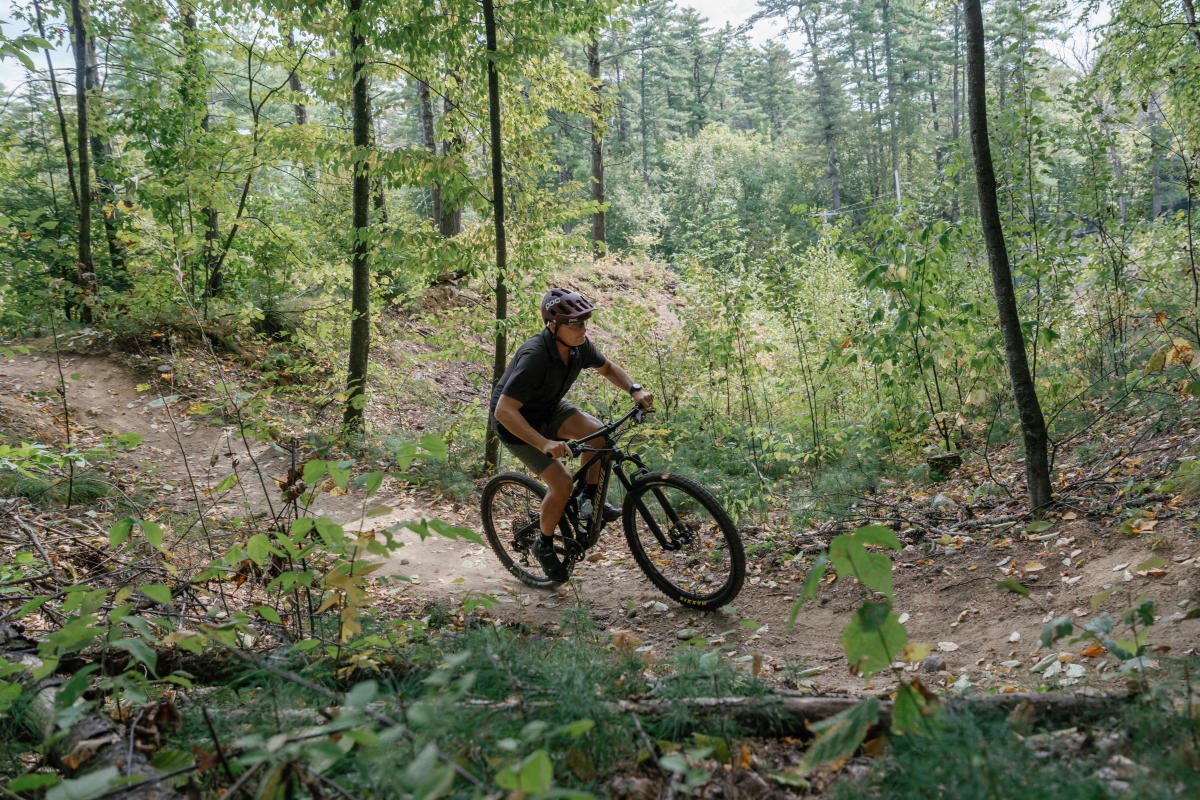
Travel Guide
Explore the thrill of bike riding in and around forest reserves for scenic trails, local culture, and wildlife while staying eco-friendly and adventurous.
Bike Riding in and Around the Forest—Nature on Two Wheels offers travelers an active way to experience African landscapes beyond conventional game drives. Cycling places visitors closer to the sounds, vegetation, communities and changing terrain around forest environments while allowing them to cover more ground than they would normally manage on foot.
The experience can range from relaxed cycling along community roads to demanding mountain-bike routes involving steep hills, rough surfaces and long distances. The exact activity depends on the destination, trail regulations and rider ability.
Cycling around protected forests also needs to be managed responsibly. Not every wildlife area permits bicycles, and riders should never enter restricted forest habitat simply because a trail appears accessible.
A properly organized cycling safari uses approved routes, suitable equipment and experienced local guides.
Cycling changes the pace of travel.
Inside a safari vehicle, visitors can cover large distances quickly but remain physically separated from much of the surrounding landscape. Walking provides intimacy but limits the distance that can be explored comfortably.
A bicycle sits between these experiences.
Riders move quickly enough to explore a broad area while remaining exposed to the temperature, sounds and scents of the environment.
This makes cycling particularly rewarding around forest edges, rural communities and scenic highland landscapes.
The character of forest bike trails differs substantially between destinations.
Some routes follow established roads around protected areas. Others cross community landscapes, plantations or designated recreational trails.
A route should always be selected according to the rider’s experience.
Someone comfortable cycling on flat paved roads may find a steep, muddy forest-edge route considerably more demanding.
Travelers should ask about distance, elevation and trail surface before booking.
Cycling can fit naturally into eco-tourism in Africa when activities are managed responsibly.
Bicycles produce little direct noise and do not require fuel while being ridden.
They can also create employment for local guides, bicycle mechanics and community tourism enterprises.
However, describing every cycling activity as environmentally friendly would be too simplistic.
The environmental impact depends on trail management, group behavior and whether sensitive habitats are protected from disturbance.
National parks and forest reserves have specific regulations governing visitor access.
Cyclists should remain on approved routes.
Entering a restricted trail can disturb wildlife, damage vegetation or create serious safety problems.
Guides understand where cycling is permitted and where riders need to stop or change transport.
Protected-area rules should always take priority over a visitor’s desire to complete a particular route.
Cycling near natural habitats can occasionally produce wildlife sightings.
Birds, monkeys and smaller animals may be observed depending on the destination.
These encounters should remain incidental.
A bicycle is not appropriate for approaching potentially dangerous wildlife.
If guides instruct riders to stop, turn around or maintain distance, those directions should be followed immediately.
Cycling and birdwatching can work surprisingly well together.
A bicycle allows visitors to move between habitats before stopping quietly at promising locations.
Binoculars should be carried securely.
Riders should never attempt to use optics while the bicycle is moving.
A specialist guide can identify calls and determine where it is appropriate to stop without blocking roads or trails.
Many cycling routes pass through inhabited areas.
This creates opportunities to observe farming, villages and everyday life.
Travelers should remember that these places are people’s homes and workplaces.
Slow down when passing pedestrians, livestock or children.
Ask permission before photographing individuals.
A guided cycling experience can help transform simple observation into meaningful cultural understanding.
The fitness required depends on the route.
Highland destinations can involve long climbs, and unpaved surfaces require more energy than smooth roads.
Travelers should describe their actual cycling experience honestly.
Selecting an excessively difficult route can turn an enjoyable activity into an exhausting one.
Families and casual riders may prefer shorter routes with frequent stops.
The bicycle should match the terrain.
Mountain bikes are appropriate for many rough or unpaved routes because their tires and gearing provide greater control.
Before departure, riders should check brakes, tires, gears and seat adjustment.
A poorly maintained bicycle can create unnecessary safety risks.
Responsible operators should inspect equipment regularly.
A helmet should be considered essential.
Even experienced cyclists can fall because of loose gravel, mud, potholes or unexpected obstacles.
The helmet needs to fit properly.
Protective equipment should not be ignored simply because the route appears easy at the starting point.
Conditions can change quickly.
Comfortable cycling clothing is useful, but specialist racing equipment is not necessary for most tourism experiences.
Lightweight clothing that allows movement works well.
Longer garments may provide additional protection from sun or vegetation depending on the route.
Closed shoes are preferable to loose sandals.
Rain protection should be carried in destinations where weather changes quickly.
Cycling can become physically demanding, particularly in warm conditions.
Carry enough drinking water for the planned route.
Guides can advise whether refilling is possible.
Travelers should drink regularly instead of waiting until they become extremely thirsty.
For longer rides, snacks may also be appropriate.
All packaging should be carried out rather than discarded along trails.
Rain can dramatically alter forest bike trails.
Dry earth may become mud, and steep descents can become slippery.
Guides may modify or cancel a route when conditions are unsafe.
Travelers should accept these decisions.
Completing a planned itinerary is never more important than avoiding preventable accidents.
Bicycles provide excellent access to scenic photography locations, but riders should stop completely before using cameras or phones.
Attempting to photograph while moving reduces control.
A small camera stored in an easily accessible but secure bag works well.
For expensive equipment, waterproof protection is useful.
Photographers should keep the amount of gear manageable.
Guided cycling safaris can create direct local employment.
Local guides understand routes, road conditions and communities.
They can also explain agriculture, wildlife and regional history.
Using a guide therefore adds more than navigation.
It gives context to landscapes that visitors might otherwise pass without understanding.
In Uganda or Rwanda, cycling can complement primate trekking.
Gorilla trekking is highly structured and takes visitors into protected forest on foot, while cycling can explore suitable surrounding landscapes on another day.
The contrast works well.
Travelers experience the forest through conservation-focused trekking and then see how communities and cultivated landscapes connect with protected areas.
A challenging mountain bike ride immediately after a strenuous gorilla trek may not suit everyone.
Legs can be tired, particularly after several hours on steep forest trails.
A relaxed cycling route may still be enjoyable, but itinerary planners should consider recovery time.
Activities should complement one another rather than turning the holiday into an endurance competition.
Stay on designated routes.
Avoid littering.
Keep noise reasonable around wildlife.
Respect pedestrians and community members.
Do not damage vegetation to create shortcuts.
Use refillable water bottles where practical.
These basic choices help ensure cycling remains compatible with eco-tourism in Africa.
Bike Riding in and Around the Forest—Nature on Two Wheels creates an experience that is active without isolating travelers from the landscapes they have come to see.
Cyclists notice hills because they climb them. They feel temperature changes when moving from open farmland toward shaded forest edges. They hear birds without an engine running beside them and can stop easily to speak with guides or community members.
When routes are properly managed, cycling can complement forest trekking, wildlife safaris and cultural tourism.
For travelers who enjoy physical activity, forest bike trails-eco-tourism in Africa-cycling safaris provide an opportunity to experience a destination at a human pace while supporting local guiding and responsible outdoor tourism.

26 African Countries Under Full or Partial U.S. Travel Ban (Post-December Update) Following the December update to U.S.…
Read article →
3 Days Congo Gorilla Safari – Encounter the Gentle Giants of Virunga A 3 Days Congo Gorilla Safari…
Read article →
Children and Kids on Safari – Family-Friendly Adventures in Africa Taking children on an African safari is one…
Read article →
How to Plan a Safari in Uganda—Your Complete Travel Guide Planning a safari in Uganda is the start…
Read article →