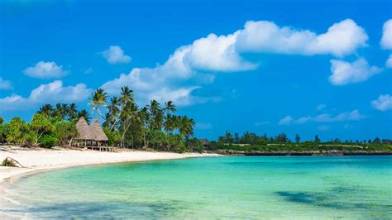

Best Time to Visit Zanzibar
Best Time to Visit Zanzibar: Complete Month-by-Month Travel Guide
Zanzibar offers a remarkable combination of tropical beaches, turquoise waters, historic culture, and unforgettable island experiences. The destination attracts travelers seeking relaxing beach holidays, romantic getaways, diving adventures, cultural experiences, and safari-and-beach combinations.
Choosing the best time to visit Zanzibar depends on what you want to experience during your holiday. Weather, rainfall, sea conditions, diving visibility, beach activities, visitor numbers, and accommodation prices can all influence your travel experience.
Zanzibar remains a year-round destination, but some months provide more reliable sunshine and drier conditions. The main dry seasons generally occur from June to October and from December to February, while the island experiences wetter conditions during other periods.
When Is the Best Time to Visit Zanzibar?
The best overall time to visit Zanzibar generally falls between June and October or December and February. These periods usually offer sunny weather, comfortable temperatures, and favorable conditions for beach activities.
June through October provides a particularly attractive period because rainfall generally remains lower and temperatures feel comfortable. December through February also offers warm, sunny conditions that work well for beach holidays and water activities.
If you want fewer visitors and potentially lower accommodation rates, March, May, November, and parts of June can provide good alternatives. However, rainfall becomes more likely during some of these months.
Zanzibar Weather and Travel Seasons
Zanzibar has a tropical climate throughout the year. Temperatures remain warm, while rainfall patterns create the main differences between travel seasons.
The long rains generally occur from March through May. April often receives some of the heaviest rainfall, although showers can vary significantly from one year to another.
The short rains generally occur around November and early December. These showers often arrive in shorter bursts, leaving plenty of time for outdoor activities.
The main dry periods occur from June through October and December through February. These months generally provide the most reliable conditions for beach holidays.
Zanzibar in January
January usually provides excellent conditions for a tropical holiday. Warm temperatures, sunny periods, and relatively limited rainfall make the month popular among beach travelers.
The sea can remain calm and warm, creating excellent conditions for swimming, snorkeling, diving, and boat trips. Visitors can also explore Stone Town, spice farms, and local villages.
January works particularly well for travelers combining Zanzibar with a Tanzania safari. You can enjoy wildlife experiences in Serengeti or Ngorongoro before relaxing on the coast.
Zanzibar in February
February remains one of the warmest and generally favorable months to visit Zanzibar. Sunny weather and warm ocean temperatures create excellent conditions for beach activities.
Diving and snorkeling can provide excellent experiences when sea conditions remain favorable. The island’s coral reefs support colorful marine life, making underwater activities particularly rewarding.
February also works well for honeymooners seeking warm weather and romantic beach experiences. Booking accommodation early remains advisable for popular beachfront properties.
Zanzibar in March
March marks the beginning of the long rainy season. Rainfall generally increases as the month progresses, although sunny periods can still occur.
The island remains warm and attractive despite the changing weather. Green vegetation can create beautiful scenery around the island.
March can appeal to travelers who prefer quieter conditions and do not mind occasional rain. Flexible itineraries can help you make the most of sunny periods between showers.
Zanzibar in April
April usually represents one of the wettest periods in Zanzibar. Heavy showers can occur, and some days may experience prolonged rainfall.
Beach activities can become less predictable because of changing weather and sea conditions. However, the island remains accessible, and many hotels continue operating normally.
Travelers seeking lower prices and fewer visitors may find attractive opportunities during April. You should simply prepare for wet conditions and maintain flexibility.
Zanzibar in May
May generally remains part of the long rainy season. Rainfall can continue, although weather patterns vary between locations and individual years.
The island becomes lush and green during this period. Fewer tourists can also create a more peaceful atmosphere at beaches and cultural attractions.
May can suit budget-conscious travelers who prioritize quieter experiences over guaranteed sunshine. If you choose this period, flexible planning becomes important.
Zanzibar in June
June marks the beginning of the main dry season. Rainfall usually decreases, while temperatures remain warm and comfortable.
The weather becomes increasingly favorable for beach activities, sightseeing, snorkeling, and diving. The sea can also provide excellent conditions for boat excursions.
June can offer an excellent balance between favorable weather and visitor numbers. It also provides a convenient opportunity to combine Zanzibar with a Tanzania wildlife safari.
Zanzibar in July
July is one of the most popular months to visit Zanzibar. The weather generally remains dry, while temperatures stay comfortable for outdoor activities.
The beaches become ideal for relaxing, swimming, snorkeling, and enjoying sunset cruises. Stone Town also becomes comfortable to explore during cooler periods of the day.
July attracts international visitors because of the favorable weather. Booking accommodation and activities ahead of time can help secure your preferred options.
Zanzibar in August
August continues the dry season and offers excellent beach conditions. Warm temperatures and relatively low rainfall create an attractive environment for a tropical holiday.
The month works particularly well for couples, families, honeymooners, and travelers combining Tanzania safaris with beach relaxation.
Diving and snorkeling can also provide excellent experiences when visibility and sea conditions remain favorable.
Because August falls within the peak travel period, accommodation prices can increase in popular areas.
Zanzibar in September
September usually provides excellent weather for visiting Zanzibar. The island remains relatively dry, while temperatures stay comfortable.
Beach activities remain popular, while cultural experiences can add variety to your holiday. You can explore Stone Town, visit spice farms, or take a dhow cruise.
September can provide a good balance between weather and visitor numbers as the peak summer holiday period begins to decline.
Zanzibar in October
October generally remains part of the dry season. Warm temperatures and relatively limited rainfall continue to attract travelers.
The island provides excellent opportunities for swimming, snorkeling, diving, and beach relaxation.
October can also work well for travelers who want to combine Zanzibar with a northern Tanzania safari. Serengeti wildlife viewing can remain excellent during this period.
Zanzibar in November
November marks the beginning of the short rainy season. Rain showers can become more frequent, but they often occur in relatively short periods.
The island remains warm, and sunny intervals can still provide excellent beach conditions.
November can appeal to travelers looking for fewer visitors and potentially better accommodation rates. Flexible schedules can help you enjoy outdoor activities around rainfall.
Zanzibar in December
December offers a mixture of short rains and increasingly favorable conditions. Toward the end of the month, holiday demand can increase substantially.
Christmas and New Year bring many visitors to Zanzibar. Beachfront properties and popular resorts can become fully booked.
December provides warm temperatures and excellent opportunities for beach activities. Travelers planning festive-season holidays should book well in advance.
Best Time for a Zanzibar Beach Holiday
For the best combination of sunshine and comfortable conditions, consider June to October or December to February. These periods generally provide the most reliable weather for swimming, relaxing, and exploring the island.
June through October can offer slightly cooler conditions compared with the hottest months. December through February usually brings warmer temperatures and a classic tropical atmosphere.
Your choice can therefore depend on whether you prefer slightly cooler dry-season conditions or hotter tropical weather.
Best Time for Diving and Snorkeling in Zanzibar
Zanzibar offers excellent diving and snorkeling opportunities throughout much of the year. However, visibility and sea conditions can vary according to location and season.
The dry seasons generally provide favorable conditions for underwater activities. July to October and December to February can therefore work well for divers and snorkelers.
Mnemba Atoll remains one of the island’s most popular marine areas. The reefs support colorful fish, turtles, dolphins, and other marine life.
Always check local sea conditions before booking water activities because conditions can change quickly.
Best Time to Visit Zanzibar for Honeymoon
Zanzibar works exceptionally well as a honeymoon destination because of its beaches, private resorts, romantic excursions, and tropical atmosphere.
The dry months provide the most reliable conditions for couples seeking beach relaxation. June to October and December to February generally offer excellent opportunities for romantic sunset cruises, private dinners, and island excursions.
February can be particularly attractive for couples who want warm weather and calm beach experiences. However, couples should choose travel dates based on their preferred accommodation and overall itinerary.
Best Time for a Zanzibar Safari and Beach Holiday
Combining a Tanzania safari with Zanzibar creates one of East Africa’s most popular travel experiences.
January and February can work particularly well for combining Zanzibar with the southern Serengeti calving season. Travelers can experience newborn wildebeest and predator activity before relaxing on the coast.
June through October can also provide an excellent combination of safari and beach travel. The dry season supports strong wildlife viewing while Zanzibar offers sunny coastal conditions.
A customized itinerary can connect Serengeti, Ngorongoro Crater, Tarangire, and Zanzibar.
Best Time to Visit Stone Town
Stone Town can be explored throughout the year. However, dry-season months often provide more comfortable conditions for walking through the historic streets.
Early mornings and late afternoons can feel particularly pleasant. Visitors can explore historic buildings, markets, museums, and cultural landmarks before enjoying Zanzibar’s famous food and coastal atmosphere.
Rainy months can still work well because many attractions provide indoor or sheltered experiences. A flexible itinerary can help you explore Stone Town between showers.
Best Time to Visit Zanzibar for Fewer Crowds
Travelers seeking fewer visitors can consider the rainy and shoulder seasons. March, May, June, November, and early December can offer quieter conditions than the major holiday periods.
The trade-off involves a greater possibility of rainfall. However, many showers remain temporary, allowing travelers to continue with activities afterward.
Choosing less busy travel periods can also provide better accommodation availability and potentially more competitive prices.
Is Zanzibar Worth Visiting During the Rainy Season?
Yes, Zanzibar remains worth visiting during the rainy season. The island remains warm, green, and culturally vibrant, while fewer visitors can create a more relaxed atmosphere.
The main challenge involves unpredictable rainfall. Outdoor activities can require flexibility, especially during the long rains.
Travelers who do not require guaranteed sunshine can enjoy excellent value during wetter months. Checking current weather conditions before travel can help you prepare appropriately.
What Should You Pack for Zanzibar?
Your packing list should focus on warm tropical weather and beach activities. Lightweight clothing, swimwear, sandals, sunglasses, sunscreen, and a wide-brimmed hat are useful throughout the year.
A light rain jacket can become valuable during the wetter seasons. Comfortable walking shoes can also help when exploring Stone Town and cultural sites.
Zanzibar has a predominantly Muslim culture, particularly in Stone Town and local communities. Travelers should dress respectfully outside beach and resort areas, especially when visiting religious or cultural sites.
How Many Days Do You Need in Zanzibar?
A four- to five-night stay provides enough time to experience the island without rushing. This duration allows travelers to combine beach relaxation with cultural and marine activities.
A longer stay of seven nights or more provides greater flexibility. You can explore Stone Town, visit spice farms, enjoy snorkeling or diving, take a dhow cruise, and spend several days relaxing on the beach.
Travelers combining Zanzibar with a Tanzania safari may choose four to five nights on the island after their wildlife adventure.
Plan Your Zanzibar Holiday
The best time to visit Zanzibar generally falls between June and October or December and February. These periods usually provide the most favorable combination of sunshine, warm temperatures, and beach-friendly conditions.
March to May brings the long rains, while November and parts of December experience shorter rains. These wetter periods can still provide rewarding experiences for travelers who prefer fewer visitors and potentially lower rates.
Zanzibar remains a year-round destination with beautiful beaches, fascinating culture, and excellent marine experiences. By choosing your travel dates around your priorities, you can create a memorable island holiday that combines relaxation, adventure, and cultural discovery.