
Akagera National Park Safari Guide Rwanda
Akagera National Park Safari Guide, Rwanda
Akagera National Park delivers Rwanda’s only true savannah safari experience, creating a powerful contrast to the country’s forest-based destinations like Volcanoes and Nyungwe. This park allows travelers to explore open plains, lakes, and rolling hills while tracking the Big Five in a setting that feels distinctly East African. A well-planned Akagera National Park safari introduces you to wildlife diversity, scenic landscapes, and one of Africa’s most impressive conservation recovery stories.
Location and Landscape
Akagera National Park lies in eastern Rwanda along the Tanzanian border, covering a landscape shaped by the Akagera River system. The park stretches across savannah plains, acacia woodlands, wetlands, and a chain of lakes that define its ecosystem.
This diversity of habitats supports a wide range of wildlife. Open grasslands dominate the northern sector, where visibility remains high and game viewing becomes more productive. The southern section features more wetlands and lakes, which attract birds and aquatic species.
Lake Ihema stands out as the park’s central water body. It creates a focal point for wildlife activity, especially during dry periods when animals move toward reliable water sources. The contrast between dry savannah and lush wetlands gives Akagera a layered and visually dynamic environment.
Wildlife in Akagera National Park
Akagera supports the Big Five, which includes lions, elephants, buffalo, leopards, and rhinos. The reintroduction of lions and rhinos marked a major turning point in the park’s restoration, transforming it into a complete safari destination.
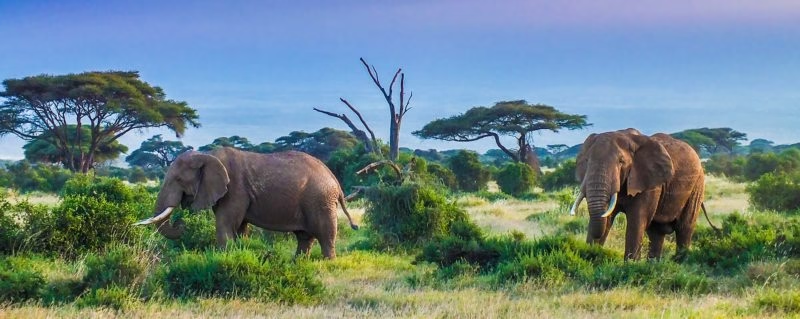
Elephants roam widely across the park, often seen near water or moving through woodland areas. Buffalo herds gather in large numbers, especially in the northern plains. Giraffes and zebras move through open grasslands, while antelope species such as impala, topi, and eland provide constant wildlife presence.
Predators require patience and timing. Lions tend to rest during the day and become more active in the early morning or late afternoon. Leopards remain elusive and often stay hidden in dense vegetation or near rocky outcrops.
Lake areas bring a different dimension to wildlife viewing. Hippos gather in large groups, and crocodiles line the shores, especially during warmer hours.
Game Drives in Akagera
Game drives form the backbone of the Akagera National Park safari experience. Early morning drives provide the best opportunity to see predators before temperatures rise and animals retreat into shade.
The northern sector delivers the strongest wildlife concentration. Its open terrain allows easier spotting of animals, especially large herbivores and predators. Afternoon drives shift the focus toward water points, where animals gather to drink.
Guided game drives enhance the experience significantly. Professional guides understand animal behavior, track movement patterns, and interpret the landscape in ways that self-drive visitors may miss. Self-drive safaris remain possible, but they require confidence in navigation and wildlife awareness.
Boat Safari on Lake Ihema
The boat safari on Lake Ihema adds depth to your safari by shifting the perspective from land to water. This activity allows close observation of hippos, crocodiles, and a wide range of bird species. The calm environment creates a slower and more relaxed experience compared to game drives. You move along the shoreline, where animals gather, especially in the late afternoon.
Birdlife thrives in this ecosystem. Fish eagles call from treetops, kingfishers dive into the water, and herons stand along the edges. The combination of wildlife and scenery makes this one of the most rewarding activities in the park.
Best Time to Visit Akagera National Park
Dry seasons from June to September and December to February offer the best conditions for wildlife viewing. During these months, vegetation thins and animals concentrate around water sources, which improves visibility.
Wet seasons from March to May and October to November transform the park into a greener and more vibrant landscape. While wildlife remains present, thicker vegetation can make sightings more challenging.
The Akagera National Park safari experience remains strong year-round. Your choice depends on whether you prioritize easier wildlife viewing or richer scenery.
Accommodation in Akagera National Park
Accommodation options in Akagera focus on both luxury and midrange categories, all designed to complement the safari experience. Lodges inside the park provide direct access to game drive routes, which allows early starts without long transfers.
Luxury lodges offer elevated comfort, strong views, and guided safari experiences integrated into your stay. Midrange lodges provide a balance between affordability and quality, often including full-board meal plans.
Location plays a key role in your experience. Staying within the park allows you to maximize wildlife viewing time and avoid delays at entry gates.
How to Get to Akagera National Park
Akagera National Park lies about 2.5 to 3 hours from Kigali, making it one of the most accessible safari destinations in East Africa. The road remains well maintained, and the journey passes through Rwanda’s scenic countryside.
Private transfers offer the most reliable and comfortable option, especially for first-time visitors. Self-drive works well for experienced travelers who understand safari conditions and navigation.
This accessibility allows Akagera to fit easily into short itineraries or extended Rwanda safari circuits.
Park Entry Fees and Safari Costs
Visitors pay park entry fees in addition to accommodation and activity costs. Guided game drives and boat safaris may come included in lodge packages or booked separately.
Compared to gorilla trekking, Akagera offers more flexibility in pricing. Travelers can adjust their experience based on budget, accommodation choice, and number of activities.
Conservation Success in Akagera
Akagera represents one of Africa’s strongest conservation recovery stories. Years ago, the park faced severe wildlife decline due to poaching and human pressure.
Partnerships between the Rwanda Development Board and African Parks transformed management systems, strengthened law enforcement, and restored wildlife populations. The reintroduction of lions and rhinos completed the Big Five and repositioned Akagera as a major safari destination.
Community engagement also plays a role. Local communities benefit from tourism, which reduces pressure on park resources and supports long-term conservation.
Combining Akagera with Other Rwanda Destinations
Many travelers combine the Akagera National Park safari with gorilla trekking in Volcanoes National Park. This pairing creates a balanced itinerary that includes both primates and savanna wildlife.
Adding Nyungwe Forest introduces chimpanzee tracking and rainforest experiences, creating a complete Rwanda safari circuit. The country’s compact size allows these combinations without long travel times.
Practical Safari Tips
Start game drives early to increase your chances of seeing active wildlife. Carry binoculars for spotting animals at a distance, especially in open areas.
Wear neutral-colored clothing and bring sun protection for daytime drives. Stay hydrated and follow your guide’s instructions during all activities.
Plan at least two nights in the park to allow time for multiple game drives and the boat safari.
Conclusion
The Akagera National Park safari offers a complete wildlife experience within Rwanda’s diverse tourism landscape. It balances open savannah exploration with water-based activities and strong conservation success.
For travelers seeking more than gorilla trekking, Akagera provides depth, variety, and a classic African safari setting that completes the Rwandan experience.