

26 African Countries Under Full or Partial U.S. Travel Ban (Post-December Update)
26 African Countries Under Full or Partial U.S. Travel Ban (Post-December Update) Following the December update to U.S.…
Read article →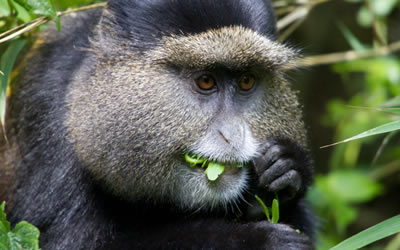
Travel Guide
Ajai Wildlife Reserve offers a variety of activities like game drives, bird-watching experiences, cultural interaction, and many more.
Ajai Wildlife Reserve is one of Uganda’s lesser-known protected areas, offering travelers an opportunity to explore a quiet natural landscape away from the country’s more frequently visited national parks. Located in northern Uganda along the western side of the Albert Nile, the reserve combines wetlands, grasslands, woodland and riverine habitats that support wildlife, birds and local communities.
Covering approximately 166 square kilometers, Ajai has an interesting conservation history. The area was associated with Chief Ajai during the early twentieth century and later became particularly well known for its white rhinos. Although rhinos disappeared from the reserve, Ajai remains an important protected ecosystem managed by the Uganda Wildlife Authority.
For travelers interested in discovering a different side of Uganda, Ajai Wildlife Reserve can add a remote and adventurous element to a northern Uganda safari.
Ajai’s history is closely connected with wildlife conservation in northern Uganda. The area was initially managed under the leadership of Chief Ajai during the 1930s. It later gained recognition as a sanctuary where white rhinos could be protected.
At one time, the presence of rhinos made the reserve particularly important. Unfortunately, Uganda experienced severe wildlife losses during periods of political instability and widespread poaching. Rhinos eventually disappeared from Ajai and, for a period, from Uganda’s wilderness altogether.
Despite these losses, the protected status of Ajai helped preserve important habitat. Conservation efforts today focus on protecting the reserve’s remaining biodiversity while maintaining its ecological value.
This history makes a visit more than simply another wildlife excursion. It provides insight into the challenges conservation areas have faced and the continuing efforts required to protect Uganda’s natural heritage.
One of the defining characteristics of Ajai Wildlife Reserve is its varied landscape. Its location near the Albert Nile creates a mixture of wetlands, seasonal floodplains, woodland and grassland.
These habitats support different wildlife species and make the reserve particularly interesting for travelers who enjoy landscapes as much as individual animal sightings. During wetter periods, sections of the reserve become lush and green, while drier months can provide easier access and improved visibility.
The Albert Nile is also an important ecological influence. Riverine environments support aquatic wildlife and numerous birds, adding another dimension to the reserve.
Ajai therefore offers an experience quite different from the broad savannah plains associated with some of East Africa’s famous safari destinations.
Although Ajai is no longer home to the rhino population that once made it famous, visitors can still encounter a variety of wildlife.
Primates recorded within the wider ecosystem include olive baboons, vervet monkeys and colobus monkeys. Antelopes such as Uganda kob and sitatunga can also occur within suitable habitats.
The wetland and riverine environments provide habitat for aquatic species, including hippos and crocodiles in areas associated with the Nile.
Wildlife viewing in Ajai should be approached differently from a safari in heavily developed parks. The attraction is partly its remoteness and natural setting. Sightings may require patience, careful observation and knowledgeable local guidance.
For travelers who value quiet environments and enjoy exploring places beyond standard safari circuits, that sense of discovery is part of Ajai’s appeal.
Bird watching in Ajai Wildlife Reserve can be one of the most rewarding activities for nature enthusiasts. Wetlands, woodland and the Albert Nile create habitats suitable for both terrestrial and water-associated birds.
Species that may be encountered include African fish eagles, grey-crowned cranes and marabou storks. Kingfishers, herons and other wetland birds may also be observed around waterways.
Birding is often most productive during the cooler hours of the morning when birds are active and conditions are comfortable for walking or driving.
A knowledgeable guide can significantly improve the experience by identifying calls, locating birds hidden in vegetation and explaining how individual species use different habitats.
Photographers should bring suitable lenses and protection for equipment because conditions can vary between dusty dry periods and wetter months.
Game drives provide a practical way to explore the reserve and search for wildlife across its varied habitats.
Morning excursions are particularly attractive because temperatures are cooler and many animals are more active. Late-afternoon exploration can also be productive while providing softer light for landscape and wildlife photography.
Unlike crowded safari destinations, Ajai can provide a quieter driving experience. The relative absence of large numbers of tourism vehicles creates an atmosphere of exploration.
Road conditions can change considerably with weather, however. A suitable vehicle is important, particularly when traveling during or shortly after rainfall.
Visitors should also remember that wildlife is free-ranging. Sightings cannot be guaranteed, and the experience is best appreciated as an exploration of an entire ecosystem rather than a search for a checklist of famous animals.
Guided nature walks provide another perspective on Ajai Wildlife Reserve.
Walking slows the safari experience and makes smaller details more noticeable. Travelers can observe plants, insects, tracks, birdlife and signs of animal activity that can easily be missed from a vehicle.
A guide can explain relationships between vegetation, seasonal water and wildlife movements. This transforms a simple walk into an educational exploration of the reserve’s ecology.
Walking activities should always be arranged according to current regulations and local conditions. Visitors should follow ranger instructions and avoid approaching wildlife independently.
Comfortable walking shoes, lightweight clothing, drinking water and sun protection are useful for daytime excursions.
Ajai’s proximity to the Albert Nile adds another potential dimension to travel in this part of Uganda.
Where appropriately arranged, boat excursions along nearby waterways can reveal a different landscape from that experienced on land. Riverbanks may attract birds and aquatic wildlife, while the journey itself provides scenic views.
Hippos and crocodiles require considerable space and should only be approached under professional guidance. Travelers should follow all instructions provided by boat crews and wildlife guides.
The Nile is not merely a scenic feature. It shapes the ecology and livelihoods of communities across northern Uganda, making river-based experiences valuable for understanding the wider region.
A visit to Ajai can also create opportunities for cultural interaction with communities living around the protected area.
Northern Uganda has rich cultural traditions, and community-based experiences can introduce visitors to local livelihoods, food, crafts, stories and customs.
These encounters are most meaningful when conducted respectfully and with community participation. Rather than treating villages as attractions, responsible tourism encourages genuine exchange while ensuring that local people benefit from tourism activities.
Travelers interested in culture can ask their safari operator to incorporate community experiences into a broader Ajai itinerary.
Combining nature and culture provides a fuller understanding of the relationship between protected landscapes and the people living around them.
The dry seasons generally provide convenient conditions for exploring Ajai Wildlife Reserve. December to early March and June to October can offer more manageable roads and trails.
Drier vegetation may also improve visibility in some areas.
The wetter months have their own advantages. Landscapes become greener, vegetation flourishes and bird activity can be rewarding. However, rainfall can affect road conditions and make some routes more difficult.
Visitors planning travel during wet periods should allow additional flexibility and use a suitable vehicle.
Ajai can therefore be considered throughout the year, with the preferred season depending on whether accessibility, birding, green scenery or general wildlife exploration is the priority.
Ajai is located in northern Uganda and can be reached by road as part of a longer safari itinerary.
Driving from Kampala requires a substantial journey, making good planning important. Travelers can break the trip with other destinations in northern or northwestern Uganda.
Air travel can reduce driving time. Flights to the Arua area, followed by road transfers, may be incorporated depending on available schedules and the planned itinerary.
Because Ajai is less developed for mass tourism than Uganda’s major national parks, advance arrangements are particularly useful. Transport, guiding and accommodation should be confirmed before departure.
A reliable 4×4 vehicle is recommended when exploring remote areas, especially during wetter periods.
Ajai can work well within a broader northern Uganda safari rather than as an isolated journey.
Travelers can combine the reserve with destinations around the Albert Nile or continue toward other protected areas depending on available time and road conditions.
A longer Uganda itinerary might connect northern wildlife experiences with Murchison Falls National Park before continuing toward western Uganda. Travelers with additional time can later add chimpanzee tracking, savannah safaris or mountain gorilla trekking.
This approach allows Ajai to provide a quieter contrast to Uganda’s better-known wildlife destinations.
Visitors should prepare for warm conditions, changing weather and relatively remote travel.
Lightweight neutral-colored clothing works well for wildlife activities. Long trousers can provide additional protection during nature walks, while comfortable closed walking shoes are useful on uneven ground.
Carry sun protection, insect repellent, drinking water and a lightweight waterproof jacket. Binoculars are particularly valuable because Ajai offers strong bird-watching possibilities.
Photographers should bring spare batteries and sufficient memory cards. Access to charging facilities may be more limited in remote areas than in major tourism centers.
A small personal first-aid kit and any necessary medication should also be carried.
Responsible tourism is especially important in emerging destinations such as Ajai Wildlife Reserve.
Visitors should follow wildlife regulations, avoid littering and never attempt to feed or disturb animals. Keeping appropriate distances protects both travelers and wildlife.
Supporting local guides, community initiatives and locally owned services can help tourism generate meaningful benefits around the reserve.
Travelers should also avoid expecting Ajai to reproduce the experience of a highly developed national park. Its value lies precisely in its natural atmosphere, conservation history and relative isolation.
Approaching the reserve with patience and curiosity usually creates a more rewarding experience.
Ajai Wildlife Reserve represents a quieter side of Uganda’s safari landscape. Its history as an important rhino conservation area, location near the Albert Nile, varied habitats and opportunities for birding, wildlife exploration and cultural encounters make it an interesting destination for adventurous travelers.
Ajai is particularly suitable for visitors who want to move beyond the standard tourism circuit and experience a protected landscape where the journey itself forms part of the adventure.
With thoughtful planning, appropriate transport and knowledgeable local guidance, a visit can become a memorable addition to a northern Uganda safari. Whether your interest is birds, conservation history, nature walks, river landscapes or simply discovering somewhere less visited, Ajai offers another perspective on Uganda’s remarkable natural heritage.

26 African Countries Under Full or Partial U.S. Travel Ban (Post-December Update) Following the December update to U.S.…
Read article →
3 Days Congo Gorilla Safari – Encounter the Gentle Giants of Virunga A 3 Days Congo Gorilla Safari…
Read article →
Children and Kids on Safari – Family-Friendly Adventures in Africa Taking children on an African safari is one…
Read article →
How to Plan a Safari in Uganda—Your Complete Travel Guide Planning a safari in Uganda is the start…
Read article →