

26 African Countries Under Full or Partial U.S. Travel Ban (Post-December Update)
26 African Countries Under Full or Partial U.S. Travel Ban (Post-December Update) Following the December update to U.S.…
Read article →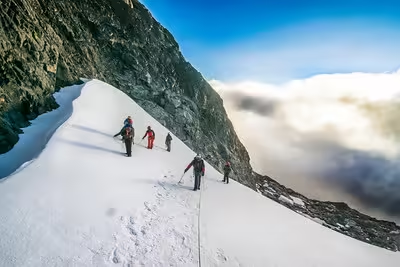
Travel Guide
Rwenzori Mountain National Park can be accessed via two main entry points, the Nyakalengija Central Circuit and the Kilembe Trail in Kasese. Accessibilty and when to visit.
Understanding accessibility and when to visit Rwenzori Mountain National Park is essential when planning a journey into one of Uganda’s most distinctive mountain environments. The Rwenzori range offers multi-day trekking, unusual vegetation, dramatic valleys and challenging high-altitude terrain. A successful trip therefore depends on much more than simply arriving at the park.
Rwenzori Mountain National Park can be approached through the main trekking areas associated with the Nyakalengija Central Circuit and the Kilembe Trail in Kasese. The route chosen influences the trekking program, accommodation arrangements and logistical preparation.
Weather also matters. The Rwenzoris are famous for wet mountain conditions, and visitors should be prepared for rain, mud and rapidly changing temperatures even when traveling during generally more favorable trekking periods.
Kasese is one of the principal gateways for travelers heading toward the Rwenzori Mountains.
Visitors commonly reach the wider region by road as part of a longer western Uganda itinerary. Travel time depends on the starting point, route and road conditions.
Some travelers combine the Rwenzoris with other western Uganda destinations, making the mountains part of a longer wildlife and adventure journey.
The final transfer depends on the selected trekking route. Visitors should therefore decide on their trek before booking accommodation and transport.
A specialist operator can coordinate the road transfer with the correct trailhead and trekking arrangements.
The Nyakalengija Central Circuit is one of the main access points mentioned for Rwenzori Mountain National Park.
Travelers using this approach should arrive with their trekking program already organized rather than simply appearing at the trailhead expecting to begin a major expedition.
Multi-day mountain travel requires guides, accommodation arrangements along the route and suitable equipment.
The exact itinerary depends on the trek selected and the objectives of the travelers.
Some visitors are interested in reaching high peaks, while others want to experience the lower mountain environment without committing to the most demanding summit programs.
The appropriate route should be chosen according to fitness, available time and trekking experience.
The Kilembe Trail in Kasese provides another important approach to the Rwenzori mountain environment.
As with other Rwenzori routes, visitors need to plan logistics carefully.
A trekking itinerary should specify the number of days, overnight arrangements, expected terrain and equipment requirements.
Travelers should avoid choosing a route solely because its description sounds impressive. The physical demands need to match their abilities.
Discussing previous hiking experience honestly with the trekking operator can help determine which program is realistic.
The mountains reward preparation, but they can be difficult for travelers who underestimate them.
Choosing when to visit Rwenzori Mountain National Park usually involves considering rainfall and trail conditions.
Mountain weather is inherently variable. Even during periods that are generally considered more suitable for trekking, rain can occur.
Travelers should therefore treat seasonal patterns as guidance rather than a guarantee.
Drier conditions can make trails easier to negotiate, although mud remains part of the Rwenzori experience in many areas.
Cloud can also influence visibility.
Photographers and summit trekkers should be prepared for the possibility that mountain views appear and disappear quickly.
The Rwenzoris have a reputation for moisture, and waterproof preparation is essential.
A quality rain jacket should remain accessible rather than packed at the bottom of a bag.
Waterproof protection for clothing, sleeping equipment and electronics is also valuable.
Travelers should consider packing important items inside separate waterproof bags.
Footwear needs good grip because wet trails can become slippery.
Gaiters may also be useful depending on the route and conditions.
The goal is not to avoid every drop of rain. It is to remain comfortable enough to continue safely when the weather changes.
Conditions change significantly as trekkers gain elevation.
Lower areas may feel warm and humid, while higher elevations can become cold.
Layering is therefore more practical than relying on one heavy item of clothing.
A base layer, insulating layer and outer weather protection allow trekkers to adjust according to conditions.
Those attempting high-altitude routes should also understand the effects of elevation.
Acclimatization cannot be rushed simply because a traveler is physically fit.
Trekkers should follow their guides’ instructions and report symptoms rather than attempting to hide discomfort in order to continue.
The Rwenzoris require endurance.
Even visitors who do not attempt the highest peaks may spend long periods walking over uneven and muddy terrain.
Training should begin before arrival. Regular hiking, hill walking and cardiovascular exercise can help build stamina.
Strength work for the legs and core may also make carrying a daypack more comfortable.
Training in the same footwear intended for the trek helps identify problems before departure.
Travelers should gradually increase walking duration rather than attempting a major hike for the first time immediately before traveling.
Packing should reflect the length and difficulty of the selected route.
Strong waterproof hiking boots are among the most important items.
Travelers also need clothing suitable for both warmer lower slopes and colder high-altitude conditions.
Rain protection, gloves, warm layers and suitable socks become increasingly important on longer or higher routes.
A headlamp can be useful around mountain camps.
Camera equipment should be protected against moisture.
Trekkers should request a current equipment list from their operator because requirements may differ between programs.
They should also clarify which items are provided and which must be brought personally.
Guides are fundamental to organized trekking in the Rwenzori Mountains.
They understand the route, local conditions and practical requirements of moving through the mountain environment.
Porters can also carry shared or personal equipment according to the arrangements of the trek.
Using porter services reduces the load carried by visitors and supports employment linked to mountain tourism.
Travelers should pack sensibly even when porters are available. Excessive luggage creates unnecessary difficulty.
Respectful interaction with the trekking team is an important part of responsible mountain travel.
The location of the Rwenzoris makes them suitable for inclusion in a broader western Uganda itinerary.
Travelers may combine mountain trekking with wildlife or primate destinations, depending on available time.
However, the sequence deserves consideration.
A demanding multi-day trek can leave visitors tired. Scheduling an extremely long transfer immediately afterward may be uncomfortable.
Some travelers prefer to complete the trek first and then move into a more relaxed safari section.
Others begin with wildlife experiences before finishing with the mountains.
The best sequence depends on the complete route and the traveler’s priorities.
A Rwenzori visit should not be squeezed into an unrealistic schedule.
The required time depends on the chosen trek.
Visitors should also consider the nights needed before and after the mountain section.
Arriving near the trailhead before the trek provides time for preparation and briefing.
An additional night after completing a demanding route can allow travelers to shower, rest and reorganize luggage before continuing.
International flight schedules should not be connected too tightly to the expected end of a challenging mountain expedition.
The Rwenzoris are a sensitive mountain environment.
Trekkers should remain on approved routes and follow guidance regarding waste disposal.
Nothing should be left behind on the mountain.
Vegetation should not be damaged for photographs or shortcuts.
Visitors should also respect trekking staff and local communities.
Responsible tourism includes fair treatment of the people who make the mountain journey possible.
Travelers can help by listening to guides, packing responsibly and treating the environment as more than a backdrop for photographs.
The most important first step in understanding accessibilty-and-when-to-visit-Rwenzori-park is choosing an appropriate trekking route. The Nyakalengija Central Circuit and Kilembe Trail in Kasese provide the two main access approaches identified for the park.
From there, travelers can organize transport, accommodation, guiding and equipment according to the selected program.
Timing should account for general weather patterns while recognizing that mountain conditions can change rapidly.
Good preparation is more valuable than expecting perfect weather.
With suitable fitness, waterproof equipment, realistic scheduling and an experienced trekking team, visitors can experience the distinctive landscapes that make the Rwenzori Mountains one of Uganda’s major adventure destinations.

26 African Countries Under Full or Partial U.S. Travel Ban (Post-December Update) Following the December update to U.S.…
Read article →
3 Days Congo Gorilla Safari – Encounter the Gentle Giants of Virunga A 3 Days Congo Gorilla Safari…
Read article →
Children and Kids on Safari – Family-Friendly Adventures in Africa Taking children on an African safari is one…
Read article →
How to Plan a Safari in Uganda—Your Complete Travel Guide Planning a safari in Uganda is the start…
Read article →