

26 African Countries Under Full or Partial U.S. Travel Ban (Post-December Update)
26 African Countries Under Full or Partial U.S. Travel Ban (Post-December Update) Following the December update to U.S.…
Read article →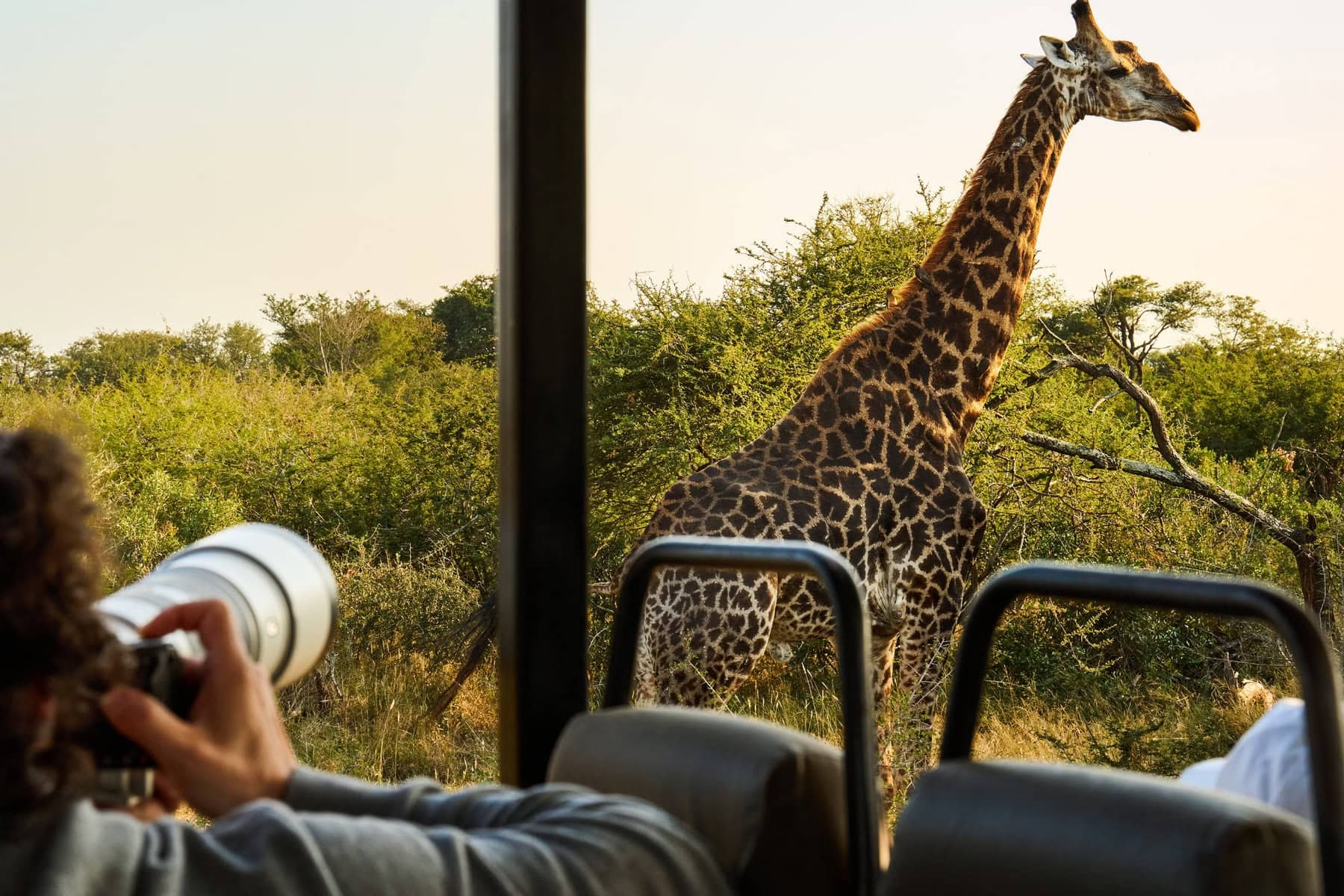
Travel Guide
A safari in Africa is a once-in-a-lifetime adventure filled with breathtaking landscapes, incredible wildlife, and rich cultural experiences.
Planning your First Safari in Africa can feel overwhelming because the continent offers an enormous range of destinations, wildlife experiences, accommodation styles and travel seasons. A traveler may dream about mountain gorillas in Uganda or Rwanda, lions on the plains of Tanzania, elephants in Kenya or a combination of several destinations.
The most successful first safari begins with clear priorities rather than trying to include everything.
Think about the wildlife you most want to see, the landscapes that interest you and the amount of time you realistically have. From there, an itinerary can be built around experiences rather than a long list of destinations.
A well-paced safari is usually more rewarding than a rushed journey covering several countries in a short period.
Africa does not offer one standard safari experience.
A Serengeti game drive is different from gorilla trekking in Bwindi. A boat safari in Uganda differs from walking through a rainforest in Rwanda. Beach time in Zanzibar creates another completely different experience.
Start by identifying the experiences that matter most.
If mountain gorillas are the priority, Uganda or Rwanda should anchor the itinerary. If classic savannah wildlife is central, Tanzania, Kenya or Uganda’s savannah parks can form the foundation.
This decision makes every later planning stage easier.
East Africa provides excellent choices for first-time safari travelers.
Tanzania is known for destinations such as Serengeti National Park, Ngorongoro and Tarangire. Kenya offers renowned wildlife areas including the Maasai Mara. Uganda combines savannah wildlife with gorilla and chimpanzee trekking, while Rwanda allows travelers to combine mountain gorillas with Akagera and Nyungwe.
No single country is automatically right for every traveler.
The best fit depends on interests, available time and budget.
Combining countries can create extraordinary variety, but every border crossing or flight consumes time.
A traveler with two weeks can often combine destinations comfortably when the route is designed logically.
Someone with six days may enjoy a much stronger experience by focusing on one country.
Avoid selecting destinations simply because they look close on a map.
Road conditions, border procedures and flight schedules determine real travel time.
A First Safari in Africa should leave room for actual wildlife viewing.
If every second day is dominated by a long transfer, the journey can become exhausting.
For a classic safari, several nights in important wildlife areas provide more opportunities to observe animals under different conditions.
Primate trekking also requires careful scheduling because permits are date-specific.
Include arrival and departure logistics when counting the number of usable safari days.
Weather influences wildlife distribution, vegetation, road conditions and photography.
Generally drier periods may make some wildlife easier to locate around reliable water sources. Wetter periods can create green landscapes, dramatic skies and excellent birding.
There is no universal month that is best for every African destination.
Seasonal patterns also vary between regions.
Choose travel dates according to the exact experiences you want rather than relying on one broad statement about Africa’s weather.
Specialized wildlife activities may have limited daily availability.
Gorilla trekking is a clear example.
Uganda’s standard gorilla permit costs USD 800 per person, while Rwanda’s standard international gorilla permit costs USD 1,500 per person.
Only eight visitors are allowed around a habituated gorilla family during a standard trek, and the minimum trekking age is 15.
For peak travel periods, booking four to six months ahead is sensible.
Safari costs vary substantially.
Accommodation can range from simpler lodges to high-end properties. Private vehicles generally cost more than shared departures, while domestic flights can increase the budget but reduce long transfers.
Park fees, permits, meals and activities also influence the total.
Ask exactly what is included in a quotation.
A lower headline price may become less attractive if major activities, transfers or park fees must be added separately.
A luxury safari does not necessarily mean a large conventional hotel.
Many high-end properties are small lodges or tented camps in remote landscapes.
Mid-range accommodation can provide comfortable rooms, good meals and practical park access without the premium services of luxury properties.
Budget travelers should pay particular attention to location.
Saving money on accommodation can become counterproductive if the property requires long daily transfers to reach activities.
Private safaris offer greater flexibility.
A couple or family can often control departure times and spend longer at particular wildlife sightings within park regulations.
Group safaris can reduce costs and create a social experience.
Neither option is inherently superior.
The right choice depends on budget, travel style and how much flexibility matters.
Photographers often appreciate private arrangements because they may want more control over positioning and timing.
Road travel is part of many African safaris.
Distances that appear modest on a map can take longer because of road conditions, traffic or stops.
Game drives themselves also involve several hours inside a vehicle.
Travelers who dislike extended road journeys should consider itineraries using domestic flights or fewer destinations.
A realistic schedule is more enjoyable than one designed around theoretical minimum driving times.
Safari clothing should be comfortable and practical.
Neutral-colored lightweight clothing works well for many game-drive environments.
A warm layer can be useful for early mornings.
Sun protection, a hat and comfortable shoes should be included.
Primate trekking requires more specialized preparation, including strong hiking footwear, long trousers and rain protection.
Avoid packing large amounts of clothing that will never leave the suitcase.
Binoculars dramatically improve wildlife viewing.
Not every animal will stand beside the safari vehicle.
Birds, distant predators and animals across rivers become far more interesting when visitors can examine them properly.
Couples should consider carrying more than one pair if both people are enthusiastic about wildlife.
Sharing binoculars during a brief sighting can be frustrating.
A phone can capture landscapes and nearby animals, but dedicated cameras provide more flexibility for distant wildlife.
A telephoto lens is particularly valuable.
Bring sufficient memory and batteries.
Dust protection is useful during game drives, while waterproof protection becomes important for forest trekking.
Do not experience the entire safari through a camera.
Some wildlife moments are better watched directly.
Consult a qualified travel-health professional before departure.
Vaccination and malaria advice depends on destination, travel history and individual circumstances.
Travelers should also arrange suitable insurance.
Remote safari areas may be far from advanced medical facilities, making evacuation coverage particularly important.
Carry personal medication in hand luggage and keep essential documentation accessible.
Entry requirements differ by country and nationality.
They can also change.
Check official government or immigration information before traveling.
If visiting several countries, review each destination separately.
Passport validity and blank-page requirements should also be checked.
Do not rely entirely on an old travel article for immigration information.
Safari animals are wild.
Never pressure a guide to approach dangerously close for a photograph.
Do not feed wildlife.
Remain inside the vehicle unless the guide specifically confirms that leaving it is permitted.
During primate trekking, follow all distancing and health regulations.
Responsible behavior protects both visitors and animals.
An experienced guide contributes far more than driving.
Guides read tracks, identify calls and interpret animal behavior.
They understand local landscapes and can explain why wildlife may be concentrated in particular areas.
Ask questions.
A safari becomes significantly more interesting when visitors understand what they are seeing rather than simply collecting photographs.
Africa’s destinations are home to living communities, not cultural displays created solely for tourists.
Community visits can add substantial depth to a safari when conducted respectfully.
Listen to local explanations and ask before photographing individuals.
Purchase crafts directly where appropriate.
Avoid treating people as photographic subjects without engaging with them.
A safari does not need an activity every hour.
Downtime allows travelers to rest, enjoy lodge surroundings and process what they have seen.
This is particularly important after long flights or demanding treks.
A schedule with no flexibility becomes vulnerable to delays and fatigue.
Slower travel often produces stronger memories.
Your First Safari in Africa should be designed around what genuinely interests you.
Choose a manageable number of destinations, secure limited permits early and understand the distances between stops. Pack practically, use knowledgeable guides and allow enough time for wildlife to behave naturally.
Most importantly, avoid turning the journey into a race.
Africa’s wildlife experiences become more meaningful when travelers stop, observe and understand the landscapes around them.
A carefully planned first safari can combine remarkable wildlife with cultural encounters and scenery while leaving enough space to appreciate each destination properly.

26 African Countries Under Full or Partial U.S. Travel Ban (Post-December Update) Following the December update to U.S.…
Read article →
3 Days Congo Gorilla Safari – Encounter the Gentle Giants of Virunga A 3 Days Congo Gorilla Safari…
Read article →
Children and Kids on Safari – Family-Friendly Adventures in Africa Taking children on an African safari is one…
Read article →
How to Plan a Safari in Uganda—Your Complete Travel Guide Planning a safari in Uganda is the start…
Read article →