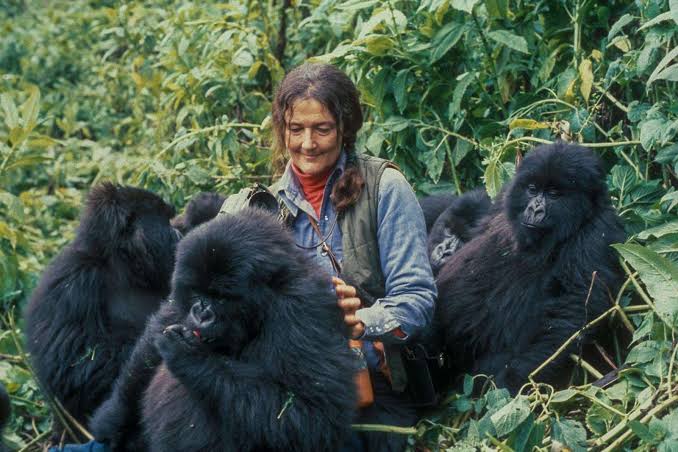

Volunteer Tourism Gorilla Conservation
Volunteer Tourism Gorilla Conservation: How Travelers Can Support Mountain Gorilla Protection
Volunteer tourism, also known as voluntourism, has become an important way for travelers to contribute to conservation while exploring some of the world’s most remarkable natural environments. In East Africa, volunteer tourism connected to gorilla conservation allows visitors to support efforts that protect endangered mountain gorillas, preserve rainforest habitats, and improve the lives of communities living near protected areas.
Mountain gorillas survive only in a few protected regions of Uganda, Rwanda, and the Democratic Republic of Congo. Their future depends on strong conservation programs, responsible tourism, scientific research, and cooperation between local communities and conservation organizations.
A gorilla conservation volunteer experience provides more than a wildlife encounter. It creates an opportunity to understand the challenges facing these endangered primates and participate in activities that support long-term protection.
Travelers who choose responsible volunteer tourism contribute to conservation while gaining a deeper connection with Africa’s forests, wildlife, and communities.
Why Gorilla Conservation Needs Support
Mountain gorillas remain one of the world’s most endangered animals. Decades of habitat loss, human pressure, and historical threats reduced their populations significantly.
Today, conservation efforts have created hope for their survival. Strong protection programs, veterinary support, research, and carefully managed tourism have helped increase mountain gorilla numbers.
However, conservation requires continuous effort. Rangers protect gorilla habitats every day, scientists monitor populations, and communities work alongside conservation organizations to reduce pressure on forests.
Volunteer tourism provides additional support by increasing awareness, funding conservation projects, and encouraging travelers to become ambassadors for gorilla protection.
What Is Volunteer Tourism in Gorilla Conservation?
Volunteer tourism combines travel with meaningful conservation activities. Instead of only visiting a destination, travelers participate in projects that support environmental and community goals.
Gorilla conservation volunteer programs usually focus on activities such as habitat restoration, community education, wildlife research support, and conservation awareness.
The level of involvement depends on the organization and project. Some programs welcome short-term volunteers, while others require longer commitments.
Responsible volunteer tourism does not replace professional conservation work. Instead, it supports existing programs and helps strengthen efforts led by experts and local communities.
Where Can You Volunteer for Gorilla Conservation?
Gorilla conservation volunteer opportunities mainly exist in Uganda, Rwanda, and the Democratic Republic of Congo.
Uganda protects mountain gorillas in Bwindi Impenetrable National Park and Mgahinga Gorilla National Park. Rwanda protects gorillas in Volcanoes National Park, while Congo protects gorillas in Virunga National Park and Kahuzi-Biega National Park.
Each destination offers unique conservation experiences. Uganda provides opportunities to combine volunteering with gorilla trekking, community visits, and rainforest exploration.
Rwanda offers well-organized conservation programs alongside gorilla tourism. Congo provides opportunities for travelers interested in supporting conservation in one of Africa’s most important rainforest ecosystems.
Volunteer Opportunities in Gorilla Conservation
Volunteer roles vary depending on the organization and project goals. Most programs focus on supporting conservation rather than directly interacting with wild gorillas.
Forest Restoration Projects
Gorilla conservation depends heavily on protecting rainforest habitats. Forest restoration projects help maintain ecosystems that provide food and shelter for gorillas and other wildlife.
Volunteers may participate in tree planting, nursery projects, and habitat restoration activities.
Restoring forests also benefits local communities by improving environmental protection and supporting sustainable land management.
Healthy forests create a safer future for mountain gorillas and countless other species.
Community Conservation Programs
Local communities play an essential role in gorilla conservation. People living near national parks depend on natural resources, making community involvement critical for long-term success.
Volunteer programs may support environmental education, conservation awareness, and sustainable livelihood projects.
These initiatives help communities understand the importance of protecting gorillas and their habitats.
When communities benefit from conservation, they become stronger partners in wildlife protection.
Conservation Education
Education creates long-term conservation success. Many programs work with schools and local groups to promote environmental awareness.
Volunteers may support educational activities, create conservation materials, or assist with community outreach programs.
Teaching future generations about wildlife protection helps create lasting change.
Conservation education also encourages responsible tourism and sustainable environmental practices.
Wildlife Research Support
Scientific research provides important information about mountain gorilla populations, health, and behavior.
Some volunteer programs support researchers through data collection, monitoring activities, and conservation studies.
Volunteers usually work under professional supervision and receive training before participating.
Research-based conservation helps experts make better decisions about gorilla protection.
Can Volunteers Work Directly With Gorillas?
Many travelers dream of working closely with mountain gorillas, but direct interaction remains highly controlled.
Wild gorillas require protection from human diseases and unnecessary disturbance. Only trained researchers, veterinarians, and authorized conservation professionals receive regular close access.
Most volunteer programs focus on supporting conservation activities outside gorilla groups.
Visitors can still experience incredible gorilla encounters through official gorilla trekking programs. These experiences follow strict rules that protect both gorillas and humans.
Responsible tourism prioritizes the health and safety of endangered gorillas.
Combining Volunteer Tourism With Gorilla Trekking
Many travelers combine conservation volunteering with gorilla trekking. This combination creates a deeper understanding of gorilla protection and rainforest ecosystems.
A typical experience may include volunteering activities followed by a guided gorilla trek in Bwindi Impenetrable National Park or Volcanoes National Park.
During gorilla trekking, visitors spend a limited time observing a habituated gorilla family while following strict conservation guidelines.
The experience allows travelers to appreciate the importance of conservation work and see the results of years of protection efforts.
Best Destinations for Gorilla Conservation Volunteer Experiences
Uganda
Uganda provides some of the best opportunities for gorilla conservation tourism. Bwindi Impenetrable National Park protects more than half of the world’s remaining mountain gorillas.
Volunteer experiences often connect conservation with community development. Travelers can support forest protection, education programs, and sustainable tourism initiatives.
Uganda also offers excellent opportunities to combine volunteering with chimpanzee trekking, wildlife safaris, and cultural experiences.
Rwanda
Rwanda has become a global example of successful gorilla conservation. Volcanoes National Park protects a significant mountain gorilla population and supports extensive conservation programs.
Volunteer opportunities often connect with environmental education, community projects, and conservation awareness.
Visitors can combine volunteer experiences with gorilla trekking and exploration of Rwanda’s beautiful landscapes.
Democratic Republic of Congo
The Democratic Republic of Congo protects important gorilla habitats, especially through Virunga National Park.
Conservation work in Congo focuses on protecting forests, supporting communities, and safeguarding wildlife in challenging environments.
Travelers interested in conservation and adventure may find Congo especially meaningful.
Benefits of Gorilla Conservation Volunteer Tourism
Volunteer tourism creates benefits for wildlife, communities, and travelers.
For gorillas, conservation support helps protect habitats and strengthen long-term survival efforts.
Communities, conservation projects can create education opportunities, employment, and sustainable development.
For travelers, volunteer experiences provide deeper cultural understanding and a stronger connection with conservation.
The experience also encourages responsible travel choices after returning home.
How Volunteer Tourism Supports Local Communities
Successful conservation depends on local support. Communities near protected areas often face challenges related to land use, education, and economic opportunities.
Community-focused conservation programs create alternatives that reduce dependence on forest resources.
Tourism revenue supports jobs for guides, rangers, hospitality workers, and local businesses.
When communities receive benefits from conservation, protecting wildlife becomes a shared goal.
Choosing a Responsible Gorilla Conservation Volunteer Program
Not every volunteer program creates meaningful conservation impact. Travelers should research organizations carefully before committing.
Choose programs that work with recognized conservation partners and involve local communities.
Avoid programs that advertise unnecessary animal handling or direct contact with wild gorillas.
Responsible organizations provide clear information about project goals, volunteer roles, and how contributions support conservation.
Transparency remains one of the most important signs of a trustworthy program.
Cost of Gorilla Conservation Volunteer Programs
The cost of volunteer tourism programs varies depending on duration, location, accommodation, and activities included.
Fees often support accommodation, meals, transportation, local staff, and conservation projects.
Longer programs usually provide deeper involvement and more meaningful contributions.
Travelers should understand exactly how their fees support conservation before booking.
A higher cost does not always guarantee better impact, so research remains important.
Best Time for Gorilla Conservation Volunteer Tourism
Gorilla conservation programs operate throughout the year. However, weather conditions can influence travel experiences.
The dry seasons from June to September and December to February generally provide easier hiking conditions for gorilla trekking and outdoor activities.
The rainy seasons create lush forests and excellent conditions for conservation activities such as planting and habitat restoration.
The best time depends on your preferred activities and travel plans.
What to Pack for Gorilla Conservation Volunteering
Pack practical clothing suitable for rainforest environments. Comfortable hiking boots, waterproof jackets, and long trousers remain essential.
Bring gardening gloves if your program includes habitat restoration activities.
A reusable water bottle helps reduce plastic waste during your stay.
Binoculars, cameras, notebooks, and field guides can improve your learning experience.
Always pack according to your specific volunteer program requirements.
Ethical Guidelines for Gorilla Conservation Tourism
Responsible behavior protects gorillas and their habitats. Follow all instructions from conservation teams and park authorities.
Never attempt to touch or feed wild gorillas. Avoid actions that may disturb their natural behavior.
Respect local communities and learn about their traditions.
Support conservation by choosing responsible operators and following sustainable travel practices.
Every visitor has a role in protecting endangered species.
Plan Your Gorilla Conservation Volunteer Experience
Volunteer tourism in gorilla conservation offers a meaningful way to explore East Africa while supporting wildlife protection. It allows travelers to move beyond traditional sightseeing and become part of a larger conservation story.
From restoring rainforest habitats to supporting community education, every responsible contribution helps protect mountain gorillas and their fragile ecosystems.
Combining volunteer work with gorilla trekking creates a powerful experience filled with learning, adventure, and conservation awareness.
By choosing ethical programs and traveling responsibly, visitors can help ensure that future generations continue to experience the wonder of mountain gorillas in the wild.