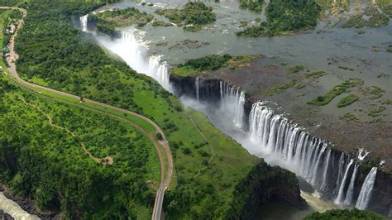

Best Time to Visit Victoria Falls
Best Time to Visit Victoria Falls: Complete Month-by-Month Travel Guide
Victoria Falls stands among Africa’s most spectacular natural attractions. The mighty Zambezi River plunges over a vast basalt gorge, creating an unforgettable landscape between Zambia and Zimbabwe.
Choosing the best time to visit Victoria Falls depends on what you want to experience. The waterfall changes dramatically throughout the year as water levels rise and fall, while different seasons provide different opportunities for photography, sightseeing, wildlife, and adventure activities.
The highest water levels usually occur between February and May. The falls can look incredibly powerful during this period, with enormous clouds of mist rising above the gorge. However, very high water levels can sometimes obscure parts of the falls.
From August to October, water levels become lower, but clearer views of the individual cataracts often become possible. These months can also provide excellent conditions for activities such as Devil’s Pool and white-water rafting, depending on local safety conditions.
When Is the Best Time to Visit Victoria Falls?
The best time to visit Victoria Falls depends on whether you prioritize maximum water flow or clearer views. February through May generally provides the highest water levels, while June through August offers a strong balance between impressive flows and clearer viewing conditions.
September and October provide lower water levels but excellent visibility in many sections. These months also offer some of the best opportunities for adventure activities, although extremely low water can affect certain experiences.
November and December mark the beginning of the rainy season. The landscape becomes greener, and water levels gradually begin rising again.
Therefore, there is no single best month for everyone. Your ideal travel period depends on the type of Victoria Falls experience you want.
Victoria Falls Weather and Water Levels
Victoria Falls experiences distinct wet and dry seasons. The rainy season generally runs from November through March, while the dry season usually occurs from April through October.
The Zambezi River responds to rainfall upstream rather than immediately local rainfall. Water levels therefore peak several months after the main rainy season.
The highest flows usually occur around March, April, and May. The river then gradually decreases through the dry season.
This seasonal cycle creates dramatically different views of Victoria Falls throughout the year.
Victoria Falls in January
January falls within the rainy season. Rainfall can occur frequently, and the surrounding vegetation becomes increasingly green.
The Zambezi River continues receiving water from upstream rainfall. However, the falls have not yet reached their annual peak flow.
January can provide a quieter experience compared with the busiest dry-season periods. Travelers who enjoy lush scenery and fewer visitors may find the month rewarding.
Rain showers can affect outdoor activities, so flexible planning remains useful.
Victoria Falls in February
February usually brings increasing water levels as the rainy season continues.
The Zambezi River becomes more powerful, and the falls begin developing their impressive annual flow. Mist becomes increasingly visible around the gorge.
The surrounding landscape becomes lush and green, creating excellent photographic opportunities.
February can appeal to travelers who want to see Victoria Falls during a period of rising water levels while avoiding some peak-season crowds.
Victoria Falls in March
March usually brings very high water levels.
The Zambezi receives substantial water from the rainy season, causing the falls to become increasingly powerful. Huge volumes of water plunge over the gorge, producing dramatic clouds of mist.
Some viewpoints can become extremely wet because of the spray. Waterproof clothing and protective covers for cameras become particularly useful.
March can provide one of the most impressive visual experiences of Victoria Falls for travelers who want to see maximum water flow.
Victoria Falls in April
April often represents one of the peak periods for water levels.
The falls can become spectacularly powerful, with large volumes of water flowing across the various sections. The mist can rise high above the gorge and sometimes obscure parts of the falls.
Photography can become challenging because of the spray. However, the atmosphere creates an unforgettable experience.
Travelers should carry waterproof bags for phones, cameras, and other electronic equipment.
Victoria Falls in May
May continues the high-water period.
The falls remain extremely powerful, although visibility may gradually improve compared with the peak flow months.
The landscape remains green after the rainy season. Wildlife viewing can also become rewarding in nearby parks as animals remain active around available water.
May provides an excellent opportunity to combine Victoria Falls with a safari in Zimbabwe, Zambia, Botswana, or South Africa.
Victoria Falls in June
June marks the beginning of the dry season.
Water levels remain relatively high, but the mist begins reducing in some areas. This can create a good balance between impressive water flow and clearer views.
The weather becomes drier and more comfortable for sightseeing.
June can therefore provide an excellent all-round Victoria Falls experience, particularly for first-time visitors.
Victoria Falls in July
July usually offers favorable weather and strong water flow.
The dry season provides comfortable conditions for exploring viewpoints, walking along the gorge, and enjoying nearby activities.
Water levels remain significant, although they continue decreasing as the dry season progresses.
July can become busy because many international travelers visit southern Africa during this period. Booking accommodation and activities ahead of time can help secure preferred options.
Victoria Falls in August
August generally offers dry and pleasant conditions.
Water levels continue falling, allowing clearer views of some sections of the falls. The mist becomes less intense, which can make photography easier.
The month also provides favorable conditions for combining Victoria Falls with a wildlife safari.
Travelers can explore nearby Chobe National Park in Botswana or Hwange National Park in Zimbabwe as part of a broader Southern Africa itinerary.
Victoria Falls in September
September brings lower water levels and excellent visibility.
The reduced flow can reveal more detail in the rock formations and individual sections of the waterfall. Photographers often appreciate the clearer conditions.
September also provides excellent conditions for many adventure activities. However, access to specific experiences depends on current water levels and safety assessments.
The weather remains dry, warm, and generally comfortable for sightseeing.
Victoria Falls in October
October is usually one of the hottest and driest months.
Water levels become significantly lower, particularly toward the end of the month. Some sections of the falls on the Zambian side can become much drier.
However, Zimbabwe’s viewpoints can still provide impressive views depending on the remaining flow.
October works well for travelers who want clear views and adventure activities. You should always check current water levels before booking specific experiences.
Victoria Falls in November
November marks the beginning of the rainy season.
The first rains can refresh the landscape after months of dry weather. Water levels in the Zambezi remain relatively low at the beginning of the month but gradually begin increasing.
Wildlife viewing around Victoria Falls and nearby parks can become interesting as vegetation starts responding to rainfall.
November can offer fewer visitors and attractive travel conditions for travelers who prefer quieter experiences.
Victoria Falls in December
December brings increasing rainfall and rising water levels.
The surrounding landscape becomes greener, while the Zambezi gradually responds to upstream rainfall.
Christmas and New Year can increase visitor demand. Travelers should therefore book accommodation and activities early if they plan to visit during the festive period.
December can also provide an excellent starting point for a Southern Africa safari itinerary.
Best Time to See Victoria Falls at Full Flow
If your main goal involves seeing Victoria Falls at its most powerful, consider March through May.
During this period, the Zambezi River usually carries enormous volumes of water. The resulting spray can create spectacular scenes across the gorge.
The downside involves reduced visibility in some areas. Heavy mist can obscure parts of the waterfall.
If maximum water volume matters more than seeing every individual section clearly, these months provide an excellent choice.
Best Time for Clear Views of Victoria Falls
For clearer views, consider June through September.
Water levels remain substantial during the earlier part of this period, while reduced spray makes photography easier.
September often provides particularly clear conditions because water levels have fallen considerably.
However, some sections can become less impressive as the dry season progresses. The exact experience depends on current river levels.
Best Time for Devil’s Pool
Devil’s Pool sits near the edge of Victoria Falls on Livingstone Island. The activity operates only during periods when water levels and currents allow safe access.
The best period often occurs during the lower-water months, particularly around August to January, although availability can vary.
Safety teams assess conditions before allowing access. You should never attempt to enter Devil’s Pool independently.
Always confirm current operating dates and safety conditions with an authorized operator.
Best Time for White-Water Rafting
The Zambezi offers world-famous white-water rafting opportunities below Victoria Falls.
Rafting availability depends heavily on water levels and seasonal conditions. Lower-water periods often expose more rapids and create exciting rafting conditions.
August through January can provide opportunities, although exact operating periods vary.
Safety remains the highest priority. Operators monitor river conditions and may suspend activities when conditions become unsafe.
Best Time for Wildlife Near Victoria Falls
Victoria Falls sits close to several excellent wildlife destinations.
Hwange National Park in Zimbabwe offers strong opportunities for elephants, lions, buffaloes, giraffes, and other wildlife. Chobe National Park in Botswana also provides excellent game viewing.
The dry season from June to October can provide strong wildlife viewing because animals gather around water sources.
You can therefore combine Victoria Falls with a safari to create a more complete Southern Africa holiday.
Victoria Falls Zambia or Zimbabwe?
Victoria Falls lies between Zambia and Zimbabwe, and travelers can experience the waterfall from both countries.
Zimbabwe generally provides extensive viewpoints across the main waterfall sections. Zambia offers attractions such as Livingstone Island and Devil’s Pool when conditions permit.
Visiting both sides can provide a more comprehensive experience. Border requirements and visa conditions depend on your nationality, so check current regulations before travel.
A local travel operator can help coordinate transfers and activities between the two countries.
How Many Days Do You Need at Victoria Falls?
A two- to three-night stay usually provides enough time to explore the falls and enjoy additional activities.
Two nights can work well for travelers who want to see the waterfall and enjoy one or two excursions. Three nights provide greater flexibility for sunset cruises, cultural experiences, helicopter flights, or adventure activities.
Longer stays work well when combining Victoria Falls with nearby wildlife destinations.
What Should You Pack for Victoria Falls?
Your packing list should match the season and activities you plan to enjoy.
During high-water months, waterproof clothing and protective covers for cameras become extremely useful. Comfortable walking shoes help when exploring viewpoints and trails around the gorge.
During the dry season, carry sunscreen, sunglasses, a hat, and lightweight clothing. Early mornings and evenings can feel cooler, particularly during the winter months.
Binoculars can also help when combining Victoria Falls with nearby wildlife experiences.
Is Victoria Falls Worth Visiting During the Low Water Season?
Yes, Victoria Falls remains worth visiting during the low-water period.
Lower water levels can provide clearer views of the geological structure and individual waterfall sections. Adventure activities can also become more accessible during this period, depending on safety conditions.
The experience simply differs from the high-water season. Instead of focusing on enormous volumes of water and mist, you can enjoy greater visibility and more detailed views.
Plan Your Victoria Falls Holiday
The best time to visit Victoria Falls depends on whether you prefer maximum water flow, clearer views, or adventure activities.
Choose March to May for some of the highest water levels and the most powerful waterfall experience. Consider June to August for a strong balance between impressive water flow, comfortable weather, and clearer views.
September and October provide lower water levels, clearer photography conditions, and opportunities for selected adventure activities. November through February brings greener landscapes, rainfall, and gradually rising river levels.
Victoria Falls also works exceptionally well as part of a wider Southern Africa itinerary. You can combine the falls with Hwange, Chobe, Kruger, Okavango Delta, or other regional destinations.
With the right timing, Victoria Falls offers a completely different experience in every season.