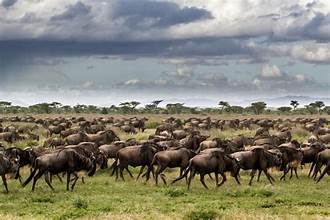

Serengeti Migration by Month
Serengeti Migration by Month: Complete Month-by-Month Guide
The Serengeti Great Migration ranks among Africa’s most spectacular wildlife experiences. Every year, more than a million wildebeest move across the Serengeti ecosystem in search of fresh grass and water. Thousands of zebras and gazelles travel with them, creating one of nature’s greatest movements.
The migration does not follow a fixed route or exact calendar. Rainfall, grass growth, water availability, and weather conditions influence the location of the herds. Therefore, understanding the Serengeti migration by month helps you choose the right area and travel period.
Whether you want to see newborn wildebeest, dramatic predator encounters, massive herds, or Mara River crossings, each month offers something different. The key involves matching your travel dates with the experience you want most.
How Does the Serengeti Migration Work?
The Great Migration follows an almost continuous annual cycle across Tanzania and Kenya. The wildebeest move between grazing areas as seasonal rainfall creates fresh grass. Their journey covers hundreds of miles across the Serengeti ecosystem.
The cycle usually begins in the southern Serengeti and Ndutu area. The herds spend the early months feeding and giving birth before gradually moving north and west.
By the middle of the year, large herds reach the Western Corridor and northern Serengeti. Some eventually cross the Mara River into Kenya’s Maasai Mara. Later, the animals begin moving south again as rainfall returns to the southern plains.
Because weather patterns change each year, the exact location can vary. A good safari operator should monitor current herd movements before and during your trip.
Serengeti Migration in January
January usually finds large numbers of wildebeest in the southern Serengeti and Ndutu area. Fresh grass grows after the seasonal rains, creating excellent feeding conditions for pregnant females and their young.
This period provides excellent opportunities to see large herds spread across open grasslands. The scenery often looks green and vibrant, creating beautiful conditions for photography.
January also marks the beginning of the calving period. Predators remain active around the herds because newborn animals provide vulnerable prey. Lions, cheetahs, hyenas, and other predators can create dramatic wildlife encounters.
Travelers who want to combine the migration with Ngorongoro Crater can easily include both destinations in a northern Tanzania safari.
Serengeti Migration in February
February is one of the most exciting months for the Serengeti Migration. The southern plains and Ndutu area often host huge concentrations of wildebeest during the peak calving season.
Thousands of calves can be born within a relatively short period. This attracts predators and creates excellent opportunities to observe natural predator-prey interactions.
The open grasslands also provide good visibility. You can often watch herds moving across the plains while predators patrol nearby.
February works particularly well for wildlife photographers and travelers interested in animal behavior. However, demand for accommodation can become high, so early booking remains important.
Serengeti Migration in March
March often continues the calving season, although the herds gradually begin preparing for their next movement. Fresh grass can still provide excellent grazing across the southern Serengeti.
The concentration of animals can remain impressive. Predators continue following the herds, while young wildebeest become stronger and more mobile.
Rainfall can occur during this period, creating lush scenery and dramatic skies. These conditions can produce excellent photographic opportunities.
March can provide a good balance between migration activity and relatively manageable visitor numbers compared with some peak periods.
Serengeti Migration in April
April usually marks a transition in the migration cycle. The herds begin leaving parts of the southern Serengeti as food availability changes.
The long rains can create green landscapes across the ecosystem. The grass grows rapidly, providing fresh grazing areas for the migrating animals.
April receives more rainfall than many other months. Some roads can become muddy, particularly after heavy showers. However, experienced safari drivers can still navigate the parks and adapt routes according to conditions.
Travelers who enjoy green landscapes and quieter safari conditions may find April rewarding.
Serengeti Migration in May
May represents an important stage in the northward movement. Large herds can begin gathering in central Serengeti and moving toward the Western Corridor.
Long lines of wildebeest can stretch across the plains as animals travel together. Zebras and gazelles often accompany the herds, adding even greater diversity to the spectacle.
Rainfall can continue during May, although conditions vary between areas. The landscape remains green, and wildlife viewing can be excellent.
May can suit travelers who want to experience the migration without the crowds associated with the peak river-crossing season.
Serengeti Migration in June
June often marks the beginning of the main northward movement. Large herds can gather around the Western Corridor and Grumeti region.
The Grumeti River presents one of the migration’s major obstacles. Wildebeest must cross water while avoiding crocodiles and other predators.
However, river crossings do not occur on a guaranteed schedule. Herds may remain near the river for days before crossing, or they may cross at different locations.
June provides an excellent opportunity to follow the migration before the busiest northern season begins.
Serengeti Migration in July
July marks the beginning of one of the most famous periods of the Great Migration. Herds move toward northern Serengeti as they search for fresh grazing.
Some groups begin approaching the Mara River. Others remain in central or western areas, depending on rainfall and grass conditions.
The northern Serengeti becomes an excellent destination for travelers hoping to see large herds and potentially witness river crossings.
July can also bring higher visitor numbers. Booking your safari well ahead helps secure suitable accommodation and camps in the northern Serengeti.
Serengeti Migration in August
August ranks among the most popular months for migration safaris. Large herds often gather around northern Serengeti and the Mara River.
River crossings can create spectacular wildlife scenes. Wildebeest may gather along the riverbank before suddenly entering the water in large numbers.
The crossings remain unpredictable. You may spend considerable time waiting before the animals decide to move. Patience becomes essential because the timing depends entirely on the animals.
August also offers excellent general wildlife viewing across the Serengeti. Lions, leopards, cheetahs, elephants, giraffes, and buffalo remain active throughout the park.
Serengeti Migration in September
September can continue the spectacular northern migration period. Some herds remain in northern Serengeti, while others cross into Kenya’s Maasai Mara.
The Mara River remains an important location for travelers interested in dramatic crossings. However, some herds may have already crossed while others remain in Tanzania.
The northern Serengeti can provide excellent game viewing even when no crossing occurs. Large herds create opportunities to observe predators and other wildlife.
September can offer a good combination of migration activity and generally dry safari conditions.
Serengeti Migration in October
October usually marks the beginning of the southward movement. Rainfall patterns begin changing, and the herds gradually move back toward central Serengeti.
The animals search for fresh grazing as they leave northern areas. Large groups can spread across different parts of the ecosystem during this transition.
October can provide excellent wildlife viewing without the same level of river-crossing crowds. It also offers an opportunity to observe the migration as part of its natural annual cycle.
Travelers can combine central Serengeti with other northern Tanzania destinations during this period.
Serengeti Migration in November
November brings short rains to many parts of the Serengeti. Fresh grass begins developing across southern areas, encouraging the herds to continue moving south.
The migration can become more dispersed as different groups follow available grazing.
The landscape becomes greener, creating attractive conditions for photography. Wildlife remains abundant, and bird activity can also increase.
November can appeal to travelers who prefer fewer tourists and do not mind occasional rainfall.
Serengeti Migration in December
By December, many herds begin returning to the southern Serengeti and Ndutu area. Fresh grazing attracts large numbers of wildebeest and other grazing animals.
The cycle begins preparing for another calving season. Pregnant females become increasingly concentrated across the southern plains.
December provides excellent wildlife viewing and beautiful green landscapes. The month also works well for travelers planning Christmas or New Year safari holidays.
Demand can increase around the holidays, so early booking remains advisable.
Best Month to See the Serengeti Migration
There is no single best month for everyone because each period offers a different migration experience. February works particularly well for travelers interested in calving and predator activity, while June and July offer excellent opportunities to follow the herds toward northern Serengeti.
August and September remain popular for travelers hoping to witness Mara River crossings. However, the crossings remain unpredictable, and no safari company can guarantee a crossing on a particular date.
October and November provide opportunities to watch the herds begin their journey south. December and January offer excellent conditions around the southern Serengeti as the cycle moves toward another calving season.
Best Months for the Wildebeest Calving Season
The main calving period usually occurs between January and March, with February often providing peak activity. The southern Serengeti and Ndutu region become important destinations during this period.
Thousands of calves can arrive within a short period. This abundance of young animals attracts predators and creates some of the most dramatic wildlife encounters of the migration.
Travelers should consider January or February if predator action and newborn wildlife interest them most.
Best Months for Mara River Crossings
The most famous Mara River crossings generally occur between July and October. August and September often provide strong opportunities, although timing varies each year.
The herds may gather along the river for hours or days before crossing. Some groups may cross quickly, while others may change direction.
This uncertainty makes the experience authentic. Rather than expecting a guaranteed crossing, travelers should focus on the overall migration experience and the incredible wildlife surrounding the river.
Where Should You Stay During the Migration?
Your accommodation should match the expected location of the herds. During January through March, southern Serengeti and Ndutu provide convenient bases for migration viewing.
During May and June, the Western Corridor and central Serengeti can offer better access to moving herds. From July through September, northern Serengeti becomes particularly important.
Mobile camps can provide an advantage because they can follow the migration more closely. Permanent lodges can also offer excellent experiences, especially when they sit near key wildlife areas.
Your safari operator should recommend accommodation based on the expected migration pattern and your preferred travel dates.
Does the Migration Happen Every Year?
Yes, the migration occurs every year. However, the exact route and timing can change.
Rainfall determines grass growth, and grass availability influences where the animals move. A late or early rainy season can therefore shift the migration by several weeks.
This means travelers should treat migration calendars as general guides rather than exact schedules.
Experienced local guides can provide valuable information about current herd movements.
Can You See the Big Five During the Migration?
Yes. The Serengeti supports excellent populations of lions, leopards, elephants, buffaloes, and other major wildlife species.
Predators often follow migrating herds because large concentrations of prey create feeding opportunities.
However, the migration should not be your only reason for visiting the Serengeti. The park offers exceptional wildlife viewing throughout the year.
A well-designed safari can combine migration viewing with dedicated Big Five game drives.
What Should You Pack for a Serengeti Migration Safari?
Your packing list should prepare you for changing temperatures and outdoor conditions. Early mornings can feel cold, while afternoons can become warm.
Pack lightweight clothing, a warm fleece, a jacket, comfortable shoes, sunglasses, sunscreen, and a hat. During wetter months, a waterproof jacket can prove useful.
Binoculars can greatly improve wildlife viewing. A camera with a telephoto lens can also help you photograph distant animals without disturbing them.
Keep your luggage practical because safari camps may have baggage restrictions, especially when internal flights form part of your itinerary.
Plan Your Serengeti Migration Safari
Understanding the Serengeti migration by month helps you choose the right time and location for your safari. The migration offers a different experience every month, from calving in February to river crossings between July and October.
Choose January to March for calving and predator action. Consider May to July for the northward movement and Western Corridor experiences. Choose August and September if Mara River crossings remain your priority.
October and November offer the return journey, while December brings the herds back toward the southern plains.
The migration never follows an exact calendar. Therefore, work with a safari operator who monitors current wildlife movements and understands the Serengeti ecosystem.
With careful planning, every month can provide an unforgettable Serengeti safari.