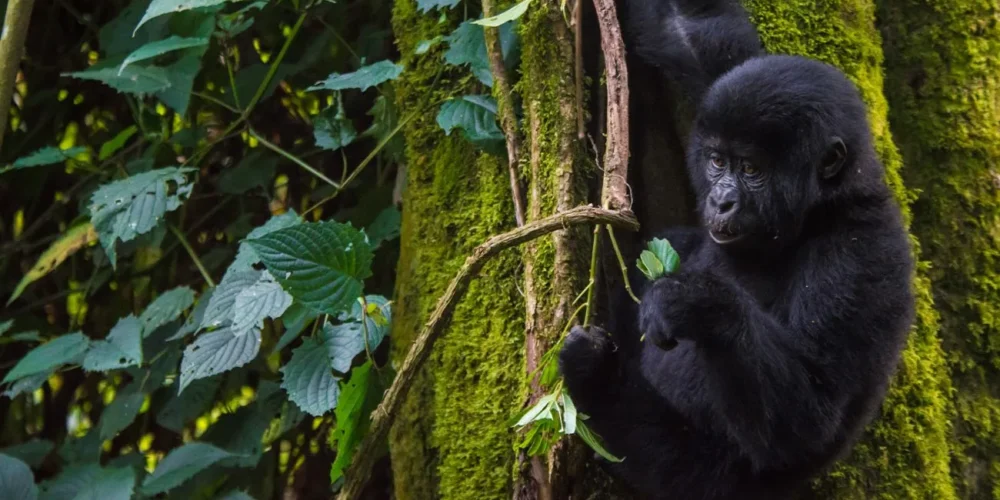

Dry Season Gorilla Trekking Dates
Dry Season Gorilla Trekking Dates: Best Time to Visit Uganda and Rwanda
Gorilla trekking remains one of Africa’s most extraordinary wildlife experiences. It takes you deep into ancient forests where endangered mountain gorillas live.
Choosing the right season can make your trek more comfortable. Dry weather usually creates better trail conditions and easier hiking.
The dry season gorilla trekking dates differ slightly between Uganda and Rwanda. Both destinations offer excellent trekking opportunities during their main dry periods.
Uganda and Rwanda allow gorilla trekking throughout the year. Therefore, you can still trek during rainy months if your schedule requires it.
What Are the Dry Season Gorilla Trekking Dates?
The main dry season generally runs from June to September in both Uganda and Rwanda.
Both countries also experience a shorter dry period around December to February. These months can also provide good trekking conditions.
The exact weather dates can change each year. Tropical forests and mountain areas can experience rainfall even during dry seasons.
For this reason, consider these dates as general seasonal patterns rather than guarantees.
Uganda Dry Season Gorilla Trekking Dates
Uganda’s main dry season usually runs from June through September. This period often provides favorable conditions in Bwindi Impenetrable National Park and Mgahinga Gorilla National Park.
The shorter dry season generally occurs from December through February.
June, July, August, and September remain popular months for Uganda gorilla trekking. December and January also attract many travelers.
If you prefer generally drier trails, July and August offer particularly good options.
Rwanda Dry Season Gorilla Trekking Dates
Rwanda follows a similar seasonal pattern. The main dry season generally occurs from June through September.
The shorter dry period usually occurs from December through February.
Volcanoes National Park sits within the Virunga Mountains. Therefore, mountain weather can change quickly even during dry months.
June through September usually offers some of the most comfortable trekking conditions. July and August remain especially popular.
June Gorilla Trekking
June marks the beginning of the main dry season in Uganda and Rwanda.
Rainfall often decreases during this month. Trails can become firmer and easier to navigate.
The forests remain lush after the rainy season. This creates excellent conditions for photography and scenic views.
June also marks the beginning of a busy travel period. Book your gorilla permit early if you want to travel during this month.
July Gorilla Trekking
July ranks among the best dry-season months for gorilla trekking.
Both Uganda and Rwanda generally experience favorable weather during July. Trails often contain less mud compared with the wetter months.
July attracts many international travelers. Gorilla permits and popular accommodation can therefore sell out quickly.
You should consider booking at least four to six months ahead. Earlier booking provides better choices for trekking dates and accommodation.
August Gorilla Trekking
August continues the main dry season. It offers another excellent month for gorilla trekking in both countries.
The weather usually remains favorable for hiking. However, rainforest conditions mean that rain can still occur.
August also works well for combining gorilla trekking with other African wildlife experiences. You can add Queen Elizabeth National Park in Uganda or Akagera National Park in Rwanda.
September Gorilla Trekking
September usually provides good trekking conditions. Rainfall can remain relatively low, although the month may become wetter toward the end.
Visitor numbers can start declining after the peak July and August period. This can provide a good balance between weather and crowds.
September also provides excellent opportunities for multi-destination East African safaris.
December Gorilla Trekking
December begins the shorter dry period. The month can offer favorable trekking conditions in both Uganda and Rwanda.
However, Christmas and New Year travel can increase demand. Gorilla permits and accommodation can therefore become limited.
If you plan to trek in December, secure your permit well in advance.
January Gorilla Trekking
January generally offers good trekking conditions. It falls within the shorter dry season.
Rainfall remains possible, especially in rainforest environments. However, trails can remain relatively manageable.
January also provides an excellent opportunity to combine gorilla trekking with wildlife safaris.
February Gorilla Trekking
February usually continues the shorter dry period. Trekking conditions can remain favorable before the longer rains arrive.
The forest remains green and vibrant. Gorilla encounters can therefore provide excellent photographic opportunities.
February can also provide a good option for travelers who want to avoid some of the peak-season crowds.
Why Choose Dry Season Gorilla Trekking?
Dry-season trekking offers several practical advantages.
First, trails generally become less muddy. This can make steep forest paths easier to navigate.
Second, dry weather can make transfers between destinations more comfortable. This matters when your safari includes several national parks.
Third, photographers can benefit from clearer conditions. However, forest light can remain challenging because dense vegetation blocks direct sunlight.
Dry-season travel also provides excellent conditions for combining gorilla trekking with traditional savanna safaris.
Does Dry Season Guarantee No Rain?
No. Gorilla trekking takes place in tropical rainforest and mountain environments.
Rain can fall at any time of year. Even during July or August, you may experience a short shower during your trek.
Rwanda’s Volcanoes National Park also has high elevations. Mountain clouds can develop quickly.
Uganda’s Bwindi Impenetrable Forest receives rainfall throughout the year. Therefore, waterproof clothing remains essential.
What Are Gorilla Trekking Trails Like During the Dry Season?
Dry-season trails usually contain less standing water and mud. However, terrain remains steep and uneven in many areas.
Bwindi has rugged landscapes with dense vegetation. Some routes involve climbing and descending steep slopes.
Volcanoes National Park also contains volcanic terrain. Trekking can therefore require moderate to high physical effort.
Your ranger guides select routes based on gorilla movements and current trail conditions. You should prepare for several hours of hiking.
What Should You Pack for Dry Season Gorilla Trekking?
Dry-season trekking still requires proper rainforest gear.
Wear sturdy hiking boots with strong grip. Choose long trousers and a long-sleeved shirt to protect your skin.
Carry a lightweight waterproof jacket. You should also bring gardening gloves for protection against vegetation.
A waterproof backpack cover helps protect your equipment. Use dry bags for cameras, phones, and important documents.
Carry enough drinking water for the trek. Snacks can also provide useful energy during longer hikes.
Sunscreen, insect repellent, a hat, and sunglasses can improve your comfort.
Uganda or Rwanda: Which Has the Better Dry Season?
Both destinations offer excellent dry-season gorilla trekking.
Uganda provides several trekking sectors within Bwindi. These include Buhoma, Ruhija, Rushaga, and Nkuringo. Mgahinga provides another gorilla trekking option.
Rwanda offers gorilla trekking within Volcanoes National Park. The park provides convenient access from Kigali compared with many Ugandan trekking routes.
Uganda can appeal to travelers who want a broader safari experience. Rwanda can appeal to travelers who prefer shorter transfers and a compact itinerary.
The best choice depends on your overall safari plans, budget, and preferred travel experience.
How Early Should You Book Dry Season Gorilla Trekking?
You should ideally book your gorilla permit four to six months before travel.
Peak dry-season months can become particularly busy. July and August often experience high demand.
If you plan to travel during Christmas or New Year, consider booking even earlier.
Your permit date affects accommodation availability and transportation planning. Therefore, confirm the gorilla permit before making other major arrangements.
Gorilla Trekking Dates and Permit Planning
Uganda and Rwanda issue permits for specific trekking dates. The permit determines when you can join a gorilla trekking group.
Uganda currently charges US$800 per foreign non-resident gorilla permit under the standard 2026 rate. Rwanda charges US$1,500 per foreign non-resident permit.
Permit prices can change, so travelers should confirm current rates before booking.
Once you secure your permit, your tour operator can arrange accommodation, transfers, guides, and other safari activities.
Dry Season Versus Wet Season Gorilla Trekking
Dry-season trekking usually provides firmer trails and easier hiking conditions. Wet-season trekking often brings more mud and slippery slopes.
However, the wet season has its own advantages. Forests become exceptionally green, and visitor numbers can decrease.
Dry seasons generally attract more tourists. This means you should plan earlier and expect higher demand for accommodation.
Neither season guarantees better gorilla sightings. Rangers track gorilla families throughout the year, so you can encounter them during both seasons.
Best Dry Season Gorilla Trekking Dates at a Glance
January: Generally dry and favorable for trekking.
February: Good conditions before the main rainy period.
June: Beginning of the main dry season.
July: Excellent dry-season trekking conditions and high demand.
August: Excellent conditions with significant visitor demand.
September: Good conditions with potentially fewer visitors.
December: Favorable short dry season with increased holiday demand.
Plan Your Dry Season Gorilla Trekking Safari
The dry season gorilla trekking dates offer some of the most comfortable conditions for exploring Uganda and Rwanda’s mountain forests.
June through September provides the main dry season. December through February offers another useful trekking period.
July and August remain excellent choices for travelers who prioritize generally drier trails. December and January also provide good opportunities.
However, remember that gorilla trekking takes place in natural rainforest environments. Rain can occur during any month.
The best approach involves choosing a suitable date, securing your permit early, and packing for both sunshine and rain.
With proper preparation, a dry-season gorilla trek can become the highlight of your East African safari.