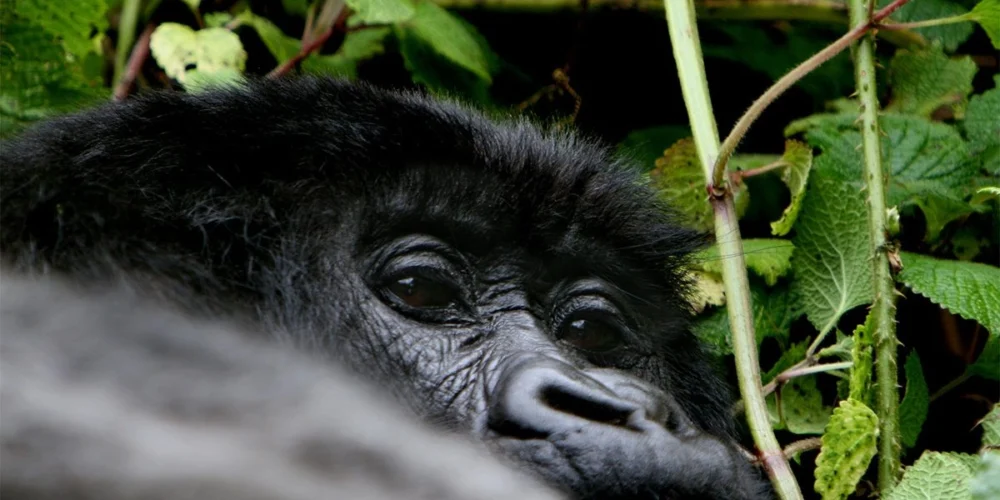

Best Month for Gorilla Trekking in Uganda
Best Month for Gorilla Trekking in Uganda
Uganda offers one of Africa’s most remarkable wildlife experiences. Gorilla trekking lets you walk through ancient forests and spend time with endangered mountain gorillas. However, choosing the right month can improve your overall experience.
The best month for gorilla trekking in Uganda depends on your priorities. June, July, August, September, and December usually offer excellent trekking conditions. January and February also provide good opportunities before the heavier rains arrive.
Uganda allows gorilla trekking throughout the year. Therefore, you can plan your trip around your preferred weather, budget, and travel schedule.
What Is the Best Month for Gorilla Trekking in Uganda?
For most travelers, July and August rank among the best months for gorilla trekking in Uganda. These months fall within the main dry season. Bwindi Impenetrable National Park and Mgahinga Gorilla National Park usually receive less rainfall.
Drier conditions can make forest trails easier to navigate. However, rain can still occur because Bwindi has a tropical rainforest climate. You should always prepare for wet conditions.
June and September also offer excellent trekking opportunities. These months often combine manageable rainfall with favorable trekking conditions.
December provides another good period for gorilla trekking. The short dry season can create comfortable conditions for forest walks. It also attracts many visitors, so early permit booking remains important.
Uganda Gorilla Trekking Seasons
Uganda has two main dry seasons and two wetter periods. The long dry season runs roughly from June to September. The short dry season usually occurs around December to February.
The wetter seasons generally occur from March to May and October to November. Rainfall patterns can vary between Bwindi sectors and Mgahinga.
Despite the seasonal differences, gorilla trekking continues throughout the year. Rangers conduct treks during both dry and wet conditions.
Gorilla Trekking in January
January usually offers favorable conditions for gorilla trekking. It falls within Uganda’s shorter dry period.
Forest trails can remain damp, but heavy rainfall becomes less frequent. You can therefore enjoy relatively comfortable hiking conditions.
January also works well for travelers combining gorilla trekking with a Uganda safari. You can visit Queen Elizabeth National Park, Kibale National Park, or Lake Mburo during the same trip.
Gorilla Trekking in February
February remains one of the better months for trekking. Rainfall often stays moderate, although rainforest weather remains unpredictable.
The vegetation remains lush and beautiful. Photographers can capture excellent forest scenery and gorilla portraits.
You should still carry waterproof clothing and sturdy hiking shoes. Forest conditions can change quickly after rainfall.
Gorilla Trekking in March
March marks the beginning of the wetter period in many parts of Uganda. Rainfall becomes more frequent as the month progresses.
However, March can still provide rewarding gorilla trekking experiences. The forest looks vibrant, and fewer travelers may visit compared with the peak dry months.
Lower visitor numbers can create a quieter experience. You should prepare for slippery trails and occasional heavy showers.
Gorilla Trekking in April
April usually brings significant rainfall to Bwindi. Trails can become muddy and challenging.
For experienced hikers, this season can still offer an excellent adventure. Rain can also bring fresh vegetation and dramatic forest scenery.
You should carry waterproof trousers, a rain jacket, and protective covers for your camera. Good hiking boots become especially important during April.
Gorilla Trekking in May
May often continues the wet-season pattern. Heavy showers can occur, particularly in the afternoons.
However, rainfall does not mean rain all day. You can still enjoy periods of sunshine during your trekking day.
May can appeal to travelers who prefer fewer crowds. It may also provide opportunities for travelers seeking more flexible travel arrangements.
Gorilla Trekking in June
June marks the beginning of Uganda’s main dry season. Trekking conditions generally improve as rainfall decreases.
The forest remains green after the preceding wet months. This creates excellent scenery for photography.
June also marks the beginning of a busy travel period. Therefore, you should reserve your gorilla permit well in advance.
Gorilla Trekking in July
July is one of the best months for gorilla trekking in Uganda.
The weather often provides favorable hiking conditions. Trails can feel firmer, although some sections remain muddy.
July also attracts many international visitors. Gorilla permits can therefore become limited for popular trekking sectors.
If you want to trek in July, booking several months ahead provides better planning flexibility.
Gorilla Trekking in August
August offers similar conditions to July. Many travelers consider it an ideal month for Uganda gorilla trekking.
The dry season generally creates easier hiking conditions. However, Bwindi’s rainforest environment can still produce rain without warning.
August works particularly well for combining gorilla trekking with classic wildlife safaris. You can add Queen Elizabeth, Murchison Falls, or Kibale National Park to your itinerary.
Gorilla Trekking in September
September remains a strong month for gorilla trekking. The weather can remain relatively dry, while visitor numbers may begin to decrease.
You can enjoy the forest with fewer travelers than during the busiest holiday periods. The conditions also remain suitable for longer forest walks.
September provides a good balance between weather and visitor levels.
Gorilla Trekking in October
October begins another wetter period in Uganda. Rainfall can increase across Bwindi and Mgahinga.
However, the wet season creates a lush forest environment. Gorilla families can remain active and visible despite the changing weather.
Travelers should prepare carefully for muddy trails. Waterproof gear and good boots can make a major difference.
Gorilla Trekking in November
November usually receives substantial rainfall. However, showers can occur intermittently rather than continuously.
The forest becomes exceptionally green. The scenery can look spectacular after rainfall.
November may suit flexible travelers who do not mind wet conditions. It can also offer a quieter trekking experience.
Gorilla Trekking in December
December offers another favorable trekking window. The short dry season usually begins during this period.
Travel demand can increase around Christmas and New Year. Gorilla permits can therefore sell quickly.
If you plan to trek between December and January, secure your permit early. This approach gives you more choice of trekking dates and accommodation.
Is Gorilla Trekking Better During the Dry Season?
The dry season often provides easier trekking conditions. Trails generally become less slippery, although Bwindi never becomes completely dry.
The dry months also make transfers between parks easier. This advantage matters if your itinerary includes several destinations.
However, dry-season trekking does not guarantee sunshine. Bwindi sits within a rainforest environment, so rain remains possible throughout the year.
Is Wet-Season Gorilla Trekking Worth It?
Yes, wet-season gorilla trekking can be highly rewarding. Rainfall creates lush vegetation and beautiful forest scenery.
The wet season can also bring fewer visitors. You may enjoy a more peaceful experience in the forest.
Moreover, gorillas remain in the forest regardless of the season. Your chances of seeing them remain excellent because trackers monitor their movements.
The main challenge involves trail conditions. Mud, slippery slopes, and rainfall can make the trek more physically demanding.
What Should You Pack for Gorilla Trekking?
Your packing list should reflect the rainforest environment. Waterproof clothing remains essential regardless of your travel month.
Pack a waterproof jacket, hiking trousers, sturdy boots, gardening gloves, and several pairs of socks. A walking stick can also provide useful support on steep trails.
You should protect electronics from rain. Use waterproof bags or dry bags for cameras, phones, and documents.
Insect repellent, sunscreen, a hat, and drinking water also belong in your daypack. Your tour operator can provide additional guidance before the trek.
How Far in Advance Should You Book a Gorilla Permit?
We recommend booking your gorilla permit four to six months before travel. Earlier booking provides greater flexibility during busy seasons.
Uganda has several trekking sectors. These include Buhoma, Nkuringo, Ruhija, and Rushaga in Bwindi.
Your choice of sector can affect your accommodation and driving arrangements. Therefore, your operator should coordinate the permit with your complete itinerary.
Best Months for Gorilla Trekking in Uganda at a Glance
January and February offer generally favorable conditions during the short dry season.
March to May brings more rain and wetter trails. These months suit travelers comfortable with challenging conditions.
June to September offers some of the year’s best trekking conditions. July and August remain particularly popular.
October and November bring heavier rainfall but fewer visitors.
December offers another favorable trekking window, although holiday demand increases.
Plan Your Uganda Gorilla Trekking Safari
The best month for gorilla trekking in Uganda depends on what you value most. If you want easier trail conditions, choose June, July, August, or September.
If you prefer fewer visitors and lush forest scenery, consider the wetter months. Gorilla trekking remains available throughout the year.
A well-planned Uganda safari can combine gorilla trekking with chimpanzee trekking and classic wildlife viewing. You can also add Queen Elizabeth National Park, Murchison Falls, Kibale Forest, or Lake Mburo.
The most important step involves choosing the right permit date and trekking sector. Once these details are confirmed, your operator can build the rest of your safari around your gorilla experience.