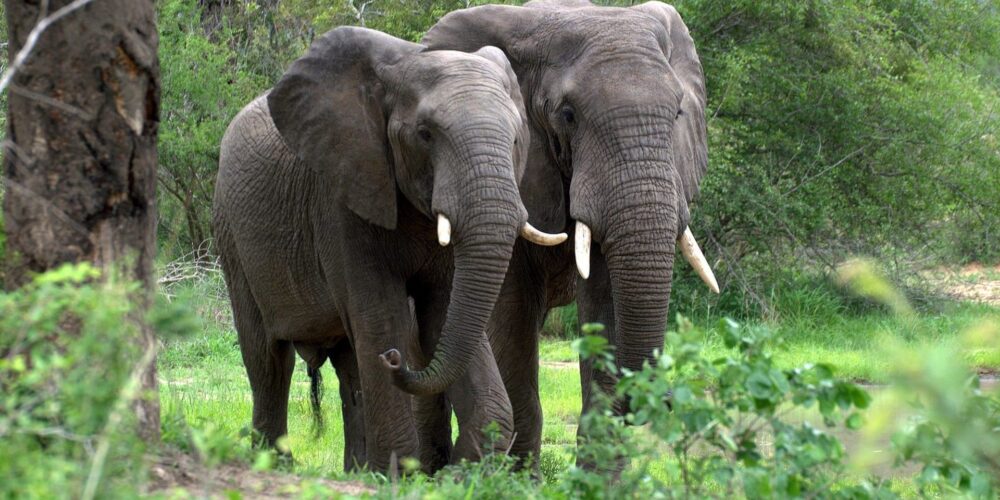

Forest Elephants Congo Basin
Forest Elephants Congo Basin: Giants of the Rainforest
Forest elephants Congo Basin populations play a vital role in maintaining one of Africa’s most important ecosystems. These elephants live deep within the tropical forests of Central Africa.
Forest elephants differ from their savannah relatives in several physical and behavioral characteristics. Their smaller size and straighter tusks help them navigate dense forest environments.
The Congo Basin remains their most important stronghold.
What Are Forest Elephants?
African forest elephants belong to the species Loxodonta cyclotis. Scientists recognize them as distinct from African savannah elephants.
Forest elephants generally have smaller bodies and more rounded ears. Their tusks tend to be straighter and point downward.
These adaptations help them move through dense rainforest vegetation.
Where Do Forest Elephants Live?
The Congo Basin contains some of the most important forest elephant habitats. The region covers several Central African countries.
The Democratic Republic of the Congo, Gabon, Republic of the Congo, Cameroon, and Central African Republic contain parts of their range.
Dense forests provide food, shelter, and water for these elephants.
Why Are Forest Elephants Important?
Forest elephants act as important ecosystem engineers. Their feeding and movement can create pathways through dense vegetation.
They also disperse seeds across large distances. Some tree species depend heavily on elephants to transport their seeds.
Protecting forest elephants therefore helps protect the wider rainforest ecosystem.
What Do Forest Elephants Eat?
Forest elephants eat leaves, fruits, bark, roots, and other vegetation. Fruits form an important part of their diet in many forest environments.
Their feeding behavior influences forest structure. As they move through the forest, they create openings and spread seeds.
These activities help maintain forest diversity.
Threats to Forest Elephants
Poaching remains a major threat to forest elephants Congo Basin populations. Their ivory has attracted illegal wildlife traders for decades.
Habitat loss and fragmentation also create serious challenges. Logging, mining, roads, and agricultural expansion can reduce suitable habitat.
Conservation programs therefore need to protect both elephants and the forests where they live.
Forest Elephant Conservation
Protected areas provide essential refuges for forest elephants. Conservation teams also work with governments and local communities to reduce poaching.
International efforts aim to reduce illegal ivory trade. Community-based conservation can also provide alternative livelihoods.
Protecting large connected forests remains one of the most important long-term solutions.