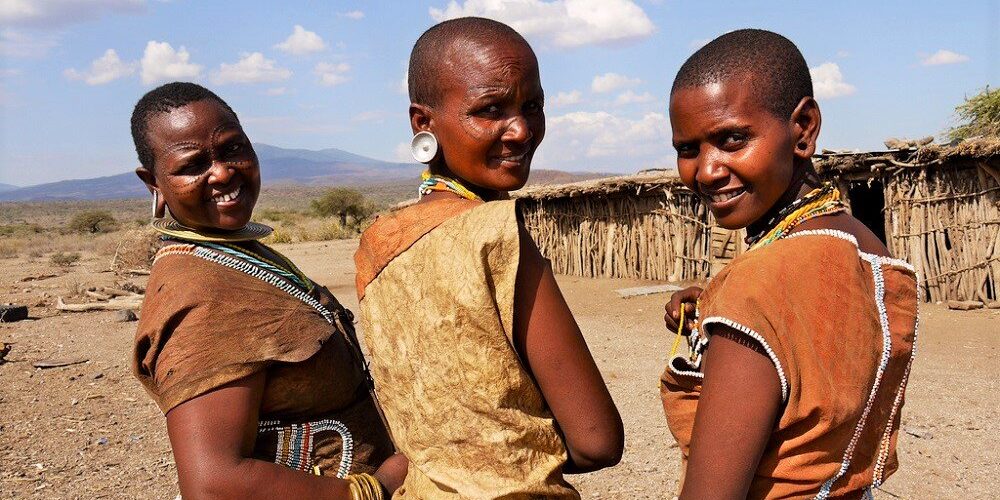

Datoga Tribe Tanzania
Datoga Tribe Tanzania: Culture, Traditions & Traditional Life
The Datoga tribe Tanzania offers travelers an opportunity to discover one of northern Tanzania’s distinctive cultural communities. The Datoga have maintained many traditions despite changes brought by modern life.
The community has strong connections to pastoralism, livestock, farming, and traditional craftsmanship. Their culture also reflects a long history in northern Tanzania.
A cultural visit provides an opportunity to learn about traditional skills and daily life directly from community members.
Who Are the Datoga?
The Datoga are a pastoralist community living mainly in northern Tanzania. Different Datoga groups live across areas around Manyara, Singida, and nearby regions.
Livestock has traditionally played an important role in their economy. Cattle, goats, and sheep provide food and wealth for many families.
The Datoga also practice agriculture. They grow crops such as maize and other foods depending on local conditions.
Datoga Blacksmith Traditions
Blacksmithing forms one of the most distinctive aspects of Datoga tribe Tanzania culture. Skilled artisans create tools, ornaments, and other useful objects from metal.
Traditional blacksmiths use fire, hammers, and simple equipment to shape metal. Their skills often pass from one generation to another.
Visitors can watch artisans demonstrate these techniques during a cultural tour. The experience shows how traditional craftsmanship supports everyday life.
Datoga Traditional Jewelry
Datoga artisans also create decorative objects and jewelry. Metalwork can include bracelets, necklaces, earrings, and other ornaments.
These items can carry cultural and practical significance. Visitors may purchase locally made crafts as souvenirs.
Buying directly from artisans can provide valuable support for local households.
Datoga Pastoral Life
Cattle remain important within Datoga society. Livestock can provide milk, meat, and economic security.
Families traditionally manage herds across the surrounding landscapes. Their pastoral knowledge helps them respond to changing environmental conditions.
The community’s relationship with livestock also influences social traditions and family life.
Datoga Food and Daily Life
Traditional Datoga food reflects their pastoral and agricultural lifestyle. Milk and livestock products can form an important part of the diet.
Crops provide additional food resources. The combination of farming and livestock keeping helps households adapt to local conditions.
During a cultural visit, local hosts can explain food preparation and traditional practices.
Datoga Culture Around Lake Eyasi
Lake Eyasi provides one of the best-known areas for cultural experiences involving Datoga communities. The region also offers opportunities to meet other indigenous communities.
Visitors can combine a Datoga cultural experience with a visit to the Hadzabe. Each community has distinct traditions and lifestyles.
This combination provides a broader understanding of northern Tanzania’s cultural diversity.
Responsible Datoga Cultural Tourism
Cultural visits should respect community traditions and individual privacy. Travelers should ask before taking photographs or entering private spaces.
Using local guides can help create respectful interactions. It can also ensure that tourism benefits the communities being visited.
Travelers should approach cultural experiences as opportunities to learn rather than simply observe.
Why Visit the Datoga?
A Datoga tribe Tanzania cultural experience offers insight into pastoralism, craftsmanship, food, and traditional life.
The experience works especially well within a northern Tanzania itinerary. Travelers can combine it with Lake Manyara, Ngorongoro, Serengeti, or Lake Eyasi.