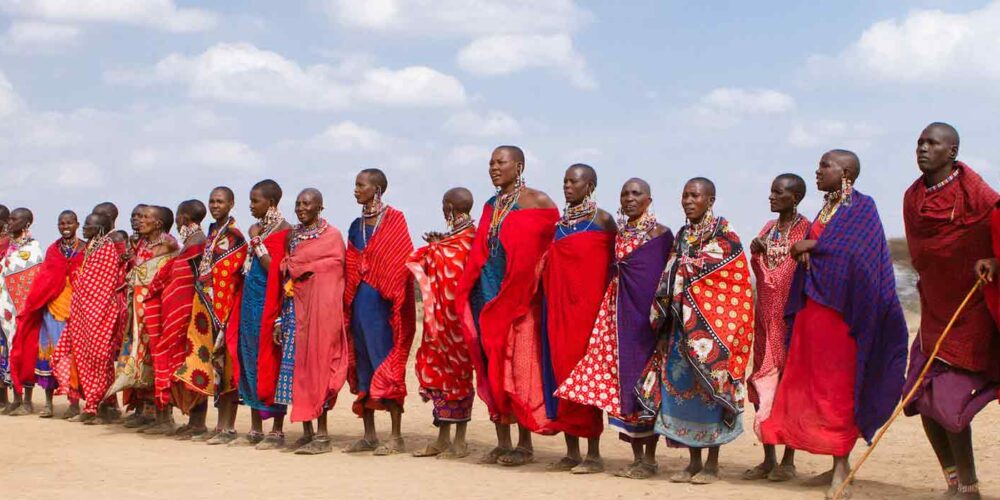

Chagga Tribe Kilimanjaro Culture
Chagga Tribe Kilimanjaro Culture: Traditions, History & Heritage
The Chagga tribe Kilimanjaro culture offers a fascinating introduction to the communities living around Mount Kilimanjaro. The Chagga people have developed a rich cultural heritage shaped by agriculture, family, and the mountain environment.
Many Chagga communities live on the fertile southern and eastern slopes of Kilimanjaro. Their traditions remain an important part of northern Tanzania’s cultural identity.
Visitors can explore Chagga villages, coffee farms, traditional homes, caves, and local food experiences.
Who Are the Chagga People?
The Chagga are one of Tanzania’s major ethnic groups. They traditionally live around Mount Kilimanjaro.
The community includes several groups with related languages and cultural traditions. Their location near the mountain provides fertile volcanic soils for farming.
Agriculture has played a central role in Chagga life for generations. Bananas, coffee, beans, and other crops remain important to local households.
Agriculture in Chagga Culture
Farming forms a major part of Chagga tribe Kilimanjaro culture. Traditional farming systems use the fertile slopes around Mount Kilimanjaro.
Bananas have long served as an important food crop. Farmers also grow coffee, which has become an important source of household income.
Traditional irrigation systems help move water through farms. These systems demonstrate the community’s long experience with mountain agriculture.
Chagga Coffee Culture
Coffee provides one of the best ways to explore Chagga heritage. Small farms around Kilimanjaro produce Arabica coffee.
A coffee tour can take visitors through plantations and processing areas. Local farmers can explain harvesting, roasting, grinding, and brewing.
Guests can also enjoy freshly prepared coffee while learning about community life.
Chagga Traditional Homes
Traditional Chagga homes reflect the community’s adaptation to the mountain environment. Some historic houses feature circular designs and use locally available materials.
Visitors can learn how families organized their homes and stored food. Traditional structures also reveal aspects of social life and agricultural practices.
Cultural villages and museums provide opportunities to explore these traditions.
Chagga Caves and Historical Sites
The Chagga caves form an interesting part of the region’s history. Some caves served as shelters during periods of conflict.
Local guides can explain their historical significance. Visitors should explore these sites with guides who understand the area’s history and safety requirements.
The caves add another dimension to a cultural tour around Kilimanjaro.
Chagga Food and Traditional Drinks
Food provides another way to experience Chagga culture. Bananas feature prominently in many traditional dishes.
One well-known traditional drink is mbege, which uses fermented bananas and finger millet. Its preparation involves several stages and carries cultural significance.
Visitors should approach traditional food and drinks respectfully. Local hosts can explain their role in community life.
Chagga Music and Dance
Music and dance remain important during celebrations and cultural events. Performances can include singing, drumming, and coordinated movements.
These activities bring communities together and help preserve cultural traditions.
Visitors can experience performances through organized cultural programs around Kilimanjaro.
Why Experience Chagga Culture?
A Chagga tribe Kilimanjaro culture experience complements a Mount Kilimanjaro adventure. It allows travelers to meet communities living around one of Africa’s most famous mountains.
Cultural visits also provide insight into agriculture, coffee production, food, history, and traditional lifestyles.