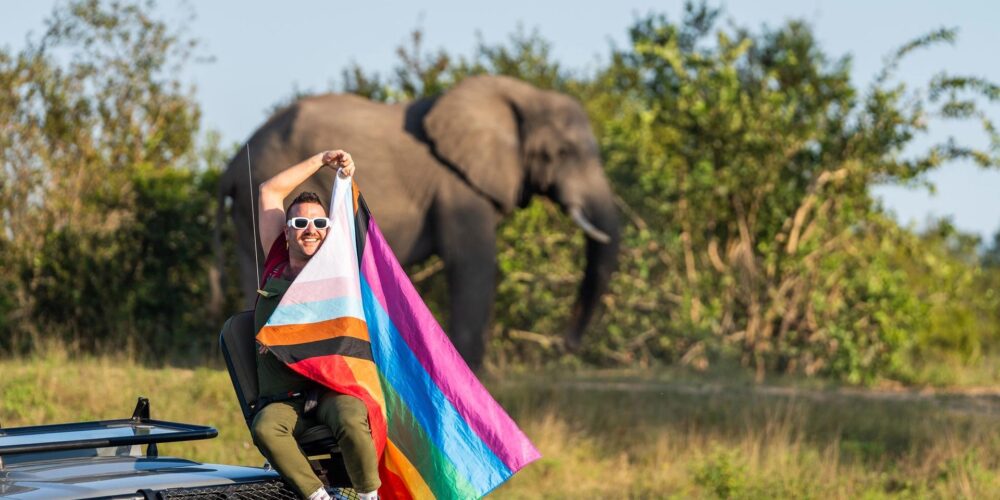

LGBTQ-Friendly Safari in Africa.
LGBTQ-Friendly Safari in Africa: Best Destinations for LGBTQ+ Travelers
Africa offers some of the world’s most spectacular safari experiences. From watching elephants cross the Okavango Delta to tracking gorillas in Rwanda, travelers can discover remarkable wildlife across the continent.
For LGBTQ+ travelers, choosing the right safari destination requires more than looking at wildlife and landscapes. Local laws, social attitudes, accommodation standards, and tourism infrastructure can all influence the travel experience.
Several African destinations offer a more welcoming environment for LGBTQ+ visitors. South Africa stands out for its legal protections, while Botswana, Namibia, Rwanda, and parts of East and Southern Africa can offer comfortable safari experiences with careful planning.
This guide explores LGBTQ-friendly safari destinations in Africa. It also explains what travelers should consider when planning a safe, comfortable, and memorable wildlife adventure.
What Makes a Safari Destination LGBTQ-Friendly?
An LGBTQ-friendly safari destination offers more than beautiful national parks. Travelers should consider local laws, attitudes toward LGBTQ+ people, tourism policies, and the experience of international visitors.
Some countries provide strong legal protections for same-sex couples. Others do not offer the same protections but still welcome international tourists through established safari businesses.
The experience can also vary between cities, safari lodges, and rural communities. A destination may have conservative laws while maintaining a professional tourism industry that treats international guests respectfully.
LGBTQ+ travelers should therefore look at the complete travel environment. Working with an experienced local safari company can also help you choose suitable accommodation and routes.
South Africa: Africa’s Most LGBTQ-Friendly Safari Destination
South Africa offers one of the strongest environments for LGBTQ+ travelers on the continent. The country provides legal protections for same-sex couples and recognizes same-sex marriage.
Cape Town also has a well-established LGBTQ+ tourism scene. The city offers diverse restaurants, hotels, nightlife, beaches, and cultural attractions.
Travelers can easily combine a Cape Town holiday with a safari. Kruger National Park provides one of Africa’s most famous wildlife experiences and supports a wide range of safari lodges.
Private reserves surrounding Kruger offer another excellent option. Properties in areas such as Sabi Sand and Timbavati provide intimate game drives and high-quality accommodation.
The combination of LGBTQ+ acceptance, excellent infrastructure, and world-class wildlife makes South Africa an excellent choice for LGBTQ+ safari travelers.
Botswana: A Strong Choice for LGBTQ+ Safari Travelers
Botswana offers some of Africa’s most exclusive wilderness experiences. The Okavango Delta, Chobe National Park, and Moremi Game Reserve attract travelers seeking exceptional wildlife and remote landscapes.
Botswana also provides a relatively progressive legal environment compared with many other African countries. The country decriminalized consensual same-sex relationships in 2019.
Safari tourism plays a major role in Botswana’s economy. Many lodges regularly host international travelers from different backgrounds.
The Okavango Delta provides particularly memorable experiences. Guests can explore the waterways by mokoro, enjoy guided walks, and take game drives across surrounding wilderness areas.
Luxury safari camps also provide privacy and personalized service. This can appeal to LGBTQ+ couples celebrating honeymoons, anniversaries, or other special occasions.
Namibia: Open Landscapes and Welcoming Tourism
Namibia offers vast deserts, dramatic landscapes, and excellent wildlife experiences. The country also has a growing reputation among LGBTQ+ travelers seeking adventurous African holidays.
Windhoek provides a useful starting point for many itineraries. Travelers can then explore destinations such as Etosha National Park, Sossusvlei, and the Skeleton Coast.
Namibia has a relatively established tourism industry. Many hotels, guides, and safari operators regularly work with international visitors.
Etosha National Park provides excellent opportunities to see elephants, lions, rhinos, giraffes, and other wildlife. The park’s waterholes make wildlife viewing particularly rewarding during dry periods.
LGBTQ+ travelers should still exercise normal cultural awareness. Social attitudes can vary, especially outside major tourism areas.
Rwanda: Gorilla Trekking and LGBTQ+ Travel
Rwanda provides one of Africa’s most remarkable wildlife experiences. Visitors can trek through Volcanoes National Park to see endangered mountain gorillas in their natural habitat.
Kigali also offers modern hotels, restaurants, cafés, and a growing international tourism scene. The country’s organized tourism infrastructure makes it relatively straightforward for international visitors to travel around.
Rwanda does not criminalize consensual same-sex relationships. However, LGBTQ+ travelers should understand that legal acceptance does not always mean broad social acceptance.
Travelers should exercise discretion and respect local customs. Professional safari operators can also recommend suitable accommodation and experiences.
For LGBTQ+ travelers interested in gorilla trekking, Rwanda can provide a memorable experience when combined with thoughtful planning.
Kenya: Excellent Safari Experiences With Cultural Awareness
Kenya remains one of Africa’s most popular safari destinations. The Maasai Mara, Amboseli, Tsavo, and Samburu offer exceptional wildlife viewing.
The Great Migration makes the Maasai Mara especially famous. During the migration season, huge herds of wildebeest and zebra cross the ecosystem while predators follow closely behind.
Kenya’s tourism industry welcomes international travelers from around the world. Many established hotels and safari lodges provide professional service to LGBTQ+ guests.
However, Kenya maintains laws that criminalize consensual same-sex sexual activity. Social attitudes can also vary between urban centers and rural communities.
LGBTQ+ travelers should therefore work with reputable safari operators and choose established accommodation. Keep public displays of affection discreet, particularly outside private tourism settings.
Tanzania: World-Class Safari and Zanzibar Experiences
Tanzania offers some of Africa’s most iconic wildlife destinations. The Serengeti, Ngorongoro Crater, Tarangire, and Nyerere National Park provide extraordinary safari opportunities.
The Serengeti offers dramatic wildlife viewing throughout the year. Travelers can also plan their itinerary around the Great Migration for one of Africa’s most famous natural spectacles.
Tanzania’s safari industry welcomes visitors from many countries. International lodges and established operators have extensive experience serving foreign travelers.
However, Tanzania maintains laws that criminalize same-sex relationships. LGBTQ+ travelers should exercise caution and avoid public displays of affection.
Zanzibar has its own additional cultural considerations. Visitors should respect local customs and dress conservatively, especially outside beach resorts.
A private safari with a trusted operator can help LGBTQ+ travelers enjoy Tanzania while navigating local cultural expectations.
Uganda: Exceptional Wildlife With Greater Caution Needed
Uganda offers remarkable wildlife experiences. Bwindi Impenetrable National Park provides mountain gorilla trekking, while Kibale National Park offers some of Africa’s best chimpanzee experiences.
Queen Elizabeth National Park, Murchison Falls National Park, and Kidepo Valley National Park also offer excellent safari opportunities.
However, Uganda has a highly restrictive legal environment for LGBTQ+ people. The country passed the Anti-Homosexuality Act in 2023, which introduced severe penalties for certain same-sex conduct and related activities.
For this reason, LGBTQ+ travelers should exercise significant caution when considering Uganda. Travelers should seek current professional travel advice and understand the legal environment before booking.
The country’s wildlife remains extraordinary, but the legal and social situation requires careful consideration for LGBTQ+ visitors.
Zimbabwe: Great Wildlife and Victoria Falls
Zimbabwe offers outstanding wildlife experiences and one of Africa’s most famous natural attractions. Victoria Falls provides a spectacular addition to a safari itinerary.
Hwange National Park offers excellent opportunities to see elephants, lions, buffaloes, giraffes, and numerous other species. Mana Pools provides another remarkable wilderness experience.
Zimbabwe has an established tourism industry with experienced guides and safari operators. International travelers regularly visit the country’s major attractions.
However, Zimbabwe does not offer the same legal protections for LGBTQ+ people as destinations such as South Africa.
LGBTQ+ travelers should respect local customs and exercise discretion. Choosing established safari lodges and experienced operators can help create a smoother travel experience.
Zambia: Remote Wilderness and Responsible Planning
Zambia provides some of Africa’s most rewarding wilderness experiences. South Luangwa National Park, Lower Zambezi National Park, and Kafue National Park offer exceptional wildlife opportunities.
Walking safaris represent one of Zambia’s major attractions. Experienced guides lead visitors through the wilderness while explaining animal tracks, plants, and ecosystem behavior.
Victoria Falls also sits near the Zambian town of Livingstone. Travelers can combine a safari with scenic flights, river activities, and other adventure experiences.
Zambia has laws that criminalize consensual same-sex relationships. LGBTQ+ travelers should therefore exercise discretion and research current conditions before traveling.
A reputable safari operator can help you choose suitable accommodation and design an itinerary that prioritizes comfort and privacy.
South Africa vs Botswana for LGBTQ+ Safari Travelers
South Africa and Botswana both offer excellent options, but they provide different experiences.
South Africa offers the strongest combination of legal protections, LGBTQ+ visibility, urban attractions, and safari opportunities. Travelers can combine Cape Town with Kruger National Park, the Garden Route, or other destinations.
Botswana offers a quieter and more remote safari experience. The Okavango Delta provides exceptional wildlife viewing and intimate wilderness camps.
Travelers seeking greater LGBTQ+ legal protections may prefer South Africa. Those prioritizing remote luxury and wilderness may find Botswana particularly appealing.
Both destinations can deliver outstanding safari experiences with professional tourism services.
LGBTQ+ Friendly Safari Lodges and Hotels
Accommodation can make a significant difference to your safari experience. International safari lodges often host guests from many countries and backgrounds.
When choosing a property, look for established lodges with strong international reviews. Properties with experienced management often provide more consistent service and privacy.
Private camps can also offer greater comfort for LGBTQ+ couples. You can enjoy romantic dinners, private game drives, and secluded surroundings without worrying about crowded public spaces.
If you have concerns about a particular property, ask your safari operator before booking. A knowledgeable operator can recommend accommodation based on your preferences.
LGBTQ+ Honeymoon Safaris in Africa
Africa provides an extraordinary setting for an LGBTQ+ honeymoon. Couples can combine wildlife adventures with romantic accommodation and beautiful landscapes.
South Africa offers one of the easiest combinations of safari and LGBTQ+ friendly experiences. Start with several nights in Cape Town before flying to a private reserve near Kruger.
Botswana also works beautifully for a luxury honeymoon. Couples can spend several nights in the Okavango Delta before continuing to Chobe or Victoria Falls.
Rwanda provides another memorable option for couples who want a gorilla trekking experience. You can combine Volcanoes National Park with Kigali and a relaxing stay at a high-quality lodge.
The best honeymoon itinerary depends on your comfort level, interests, and preferred travel style.
Safety Tips for LGBTQ+ Safari Travelers
Research the current laws before traveling. Legal conditions can change, and travelers should always use up-to-date information when planning their trip.
Choose an experienced safari operator with knowledge of LGBTQ+ travel. A local company can help you select appropriate accommodation and avoid unnecessary difficulties.
Respect local customs, especially in conservative rural areas. Public displays of affection may attract unwanted attention in destinations with less social acceptance.
Keep important travel documents secure and maintain appropriate travel insurance. You should also share your itinerary with someone you trust.
Most importantly, understand that safari destinations can differ greatly from one another. Do not assume that the social environment in one country applies across the entire continent.
When Should LGBTQ+ Travelers Visit Africa?
The best travel period depends on the destination and safari experience you want. Dry seasons generally offer excellent wildlife viewing because animals gather around limited water sources.
The dry season also provides favorable conditions for many safari activities. However, these months often attract more visitors and can increase accommodation prices.
The rainy seasons offer greener landscapes and fewer tourists. Some lodges also provide lower rates during these periods.
For the Great Migration, travelers should plan around the movement of the herds. Timing varies each year, so professional safari planning can help you choose the right region.
Gorilla trekking in Rwanda and Uganda operates throughout the year. Weather conditions can influence trail conditions, so travelers should prepare for rain in the forest.
Choosing the Right LGBTQ-Friendly Safari Destination
Your ideal destination depends on what matters most to you. If legal protections and LGBTQ+ visibility rank highest, South Africa offers one of the strongest choices.
Botswana works well for travelers seeking remote luxury and exceptional wilderness. Namibia suits adventurous travelers who want dramatic landscapes alongside wildlife.
Rwanda appeals to travelers who want gorilla trekking and a well-organized tourism experience. Kenya and Tanzania offer iconic safari landscapes but require greater cultural awareness because of their legal environments.
Uganda, Zambia, and Zimbabwe offer extraordinary wildlife experiences but require additional caution for LGBTQ+ travelers.
The right choice ultimately depends on your priorities. Consider safety, local laws, wildlife, accommodation, privacy, and the type of experience you want.
Plan Your LGBTQ-Friendly African Safari
Africa welcomes travelers with some of the world’s most extraordinary wildlife experiences. LGBTQ+ visitors can enjoy remarkable safaris, but destination selection matters.
South Africa and Botswana provide particularly strong options for travelers seeking welcoming safari environments. Namibia and Rwanda can also offer rewarding experiences with appropriate planning.
Other safari destinations remain possible, but travelers should understand local laws and social expectations before booking. Professional local operators can provide valuable guidance and help create a comfortable itinerary.
Whether you dream of watching lions in the Serengeti, tracking gorillas in Rwanda, exploring the Okavango Delta, or watching elephants in Kruger, Africa offers unforgettable adventures.
With thoughtful planning, the right destination, and trusted local support, an LGBTQ+ safari can become one of your most memorable journeys.