
Serengeti vs Maasai Mara: Which Safari Destination Is Better?
Serengeti vs Maasai Mara: Which Safari Destination Is Better?
The Serengeti National Park in Tanzania and the Maasai Mara National Reserve in Kenya represent two of Africa’s most iconic safari destinations. Located within the same greater Serengeti-Mara ecosystem, these two wilderness areas share incredible wildlife, dramatic landscapes, and one of the world’s greatest natural events, the Great Migration.
For many travellers, choosing between the Serengeti and the Maasai Mara can be challenging. Both destinations offer excellent opportunities to see lions, elephants, leopards, cheetahs, buffaloes, giraffes, zebras, and thousands of other animals.
However, each destination provides a different safari atmosphere. The Serengeti offers a vast wilderness experience with endless plains, remote landscapes, and year-round wildlife viewing. The Maasai Mara delivers concentrated wildlife encounters, excellent predator sightings, and the famous river crossings during the Great Migration.
The better choice depends on your travel expectations, the time of year you visit, your preferred safari style, and the type of experience you want to create.
Serengeti National Park: Tanzania’s Endless Wilderness
The Serengeti National Park covers approximately 14,750 square kilometers in northern Tanzania, making it one of Africa’s largest and most famous protected areas.
The name “Serengeti” comes from the Maasai word “Siringet,” meaning “endless plains.” This description perfectly captures the park’s landscape, where golden grasslands stretch towards the horizon and support some of the highest concentrations of wildlife on the continent.
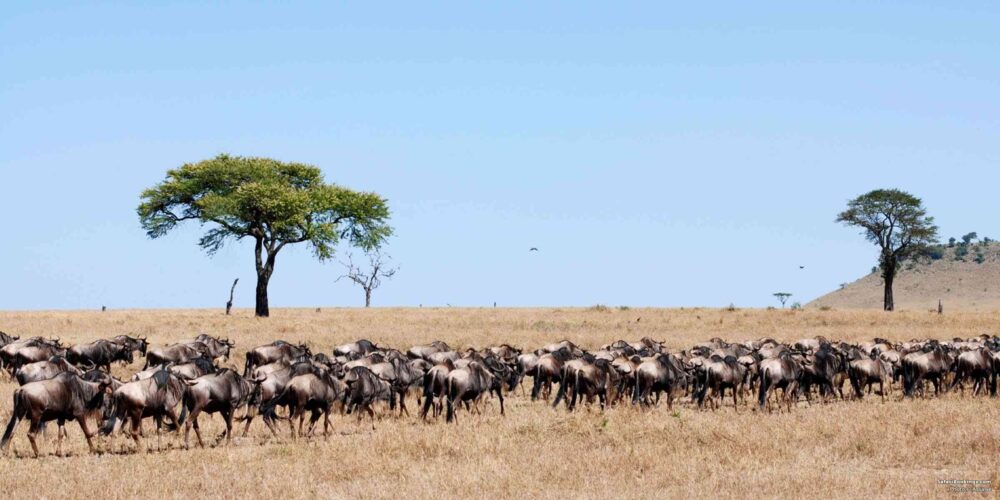
The Serengeti forms the heart of the Serengeti-Mara ecosystem, which allows millions of wildebeest, zebras, and gazelles to move across the landscape following seasonal rainfall and fresh grazing areas.
Beyond the Great Migration, the Serengeti offers exceptional year-round wildlife viewing. Large prides of lions dominate the plains, while cheetahs use the open grasslands to hunt. Leopards often rest in acacia trees, and elephants move through different habitats searching for food and water.
The park’s size creates a strong feeling of wilderness. Visitors can spend hours exploring different areas without seeing large numbers of vehicles, especially in remote sections of the park.
Maasai Mara National Reserve: Kenya’s Wildlife Paradise
The Maasai Mara National Reserve covers approximately 1,510 square kilometers in southwestern Kenya. Although smaller than the Serengeti, the Mara delivers some of the most rewarding wildlife encounters in Africa.
The reserve forms the northern extension of the Serengeti ecosystem and shares the same wildlife movements. Its open grasslands create ideal conditions for game viewing, especially during the dry season when animals gather in large numbers.
The Maasai Mara is famous for its high concentration of predators. Visitors frequently encounter lions resting in the grasslands, cheetahs hunting across the plains, and leopards hiding among riverine forests.
The reserve also provides opportunities to see elephants, giraffes, buffaloes, hippos, crocodiles, and many bird species.
One of the biggest advantages of the Maasai Mara is its accessibility. The reserve is easier to reach from Nairobi compared with many Tanzanian safari destinations, making it a popular choice for shorter safari itineraries.
Serengeti vs Maasai Mara: The Great Migration Experience
The Great Migration remains the biggest attraction connecting the Serengeti and Maasai Mara.
Every year, more than one million wildebeest and hundreds of thousands of zebras and gazelles move across the ecosystem in search of fresh grass and water. This journey represents one of nature’s most spectacular wildlife events.
The Serengeti hosts the migration for most of the year.
From January to March, large herds gather in the southern Serengeti and Ndutu region, where thousands of wildebeest calves are born. This period attracts predators such as lions, cheetahs, and hyenas because vulnerable young animals provide easy opportunities.
Between April and June, the herds begin moving north through the Serengeti. Visitors can witness dramatic scenes as massive groups cross the plains.
The Maasai Mara becomes the center of attention between July and October when the migration reaches Kenya. This period offers the famous Mara River crossings, where wildebeest and zebras face strong currents and waiting crocodiles.
If your dream is to witness river crossings, the Maasai Mara provides the best opportunity. If you want to experience the full migration cycle, the Serengeti offers a longer window.
Wildlife Viewing Comparison
Both destinations provide outstanding wildlife experiences, but there are some differences.
The Serengeti’s biggest advantage is its size. The huge landscape supports large animal populations and allows wildlife to move naturally across vast areas.
The park is especially famous for predator sightings. The open plains make it easier to observe hunting behavior, including cheetahs chasing prey and lions working together as a pride.
The Maasai Mara’s strength comes from its wildlife density. Because the reserve is smaller, animals are often easier to locate during game drives.
The Mara provides some of the best lion sightings in Africa. Visitors frequently see pride resting, hunting, or interacting within the open grasslands.
Both destinations offer opportunities to see the Big Five. However, the Serengeti often provides a stronger sense of untouched wilderness, while the Maasai Mara offers more frequent close encounters.
Landscape and Scenery
The landscapes of the Serengeti and Maasai Mara share similarities but create different impressions.
The Serengeti is famous for its endless horizons. The vast plains, scattered acacia trees, rocky kopjes, and distant sunsets create the classic image of an African safari.
The park’s size allows visitors to experience different environments, including grasslands, woodlands, river valleys, and rocky areas.
The Maasai Mara features rolling grasslands, seasonal rivers, and beautiful hills that create a more compact but equally stunning landscape.
The Mara’s scenery becomes especially dramatic during sunrise and sunset when golden light spreads across the plains.
For travellers who love wide-open wilderness, the Serengeti feels unmatched. For visitors who prefer a landscape filled with frequent wildlife action, the Maasai Mara offers a rewarding experience.
Safari Crowds and Exclusivity
Visitor numbers can influence the quality of a safari experience.
The Serengeti receives many visitors, especially during the Great Migration season. However, its enormous size allows travellers to escape busy areas by exploring less-visited sections.
Areas such as the western Serengeti and northern Serengeti often provide quieter experiences away from the main tourist routes.
The Maasai Mara is smaller, and popular areas can become crowded during peak migration months. During the river crossing season, many vehicles gather near crossing points while waiting for wildlife movement.
However, Kenya’s private conservancies surrounding the Maasai Mara provide a more exclusive alternative. These conservancies limit vehicle numbers and offer additional activities such as night drives and guided walks.
Travellers seeking remote wilderness often prefer the Serengeti, while those looking for flexible safari experiences can benefit from the Mara conservancies.
Accommodation Experience
Both destinations offer excellent accommodation options, from comfortable lodges to luxury tented camps.
The Serengeti is famous for mobile safari camps that move with the migration. These camps provide an authentic experience because guests stay close to wildlife movement.
Luxury lodges and permanent camps also operate across different regions of the park, offering excellent comfort while maintaining a connection with nature.
The Maasai Mara offers a wide range of accommodation choices. Visitors can stay inside the reserve or choose private conservancies surrounding the park.
Many Mara camps focus on personalized experiences, with smaller guest numbers and flexible safari activities.
Both destinations provide memorable accommodation experiences, although the Serengeti often emphasizes wilderness immersion, while the Mara offers greater variety.
Serengeti vs Maasai Mara: Which One Is Better?
The answer depends on what you want from your safari.
The Serengeti is the better choice for travellers seeking vast landscapes, fewer crowds, the complete Great Migration cycle, and a deeper wilderness experience.
The Maasai Mara is ideal for visitors who want excellent wildlife density, easier access, shorter safari itineraries, and the famous river crossings.
For first-time safari travellers, both destinations provide unforgettable experiences. The Maasai Mara offers an easier introduction to African wildlife, while the Serengeti delivers a grander sense of adventure.
The ultimate safari combines both destinations. A Serengeti and Maasai Mara itinerary allows travellers to follow the Great Migration route while experiencing the best wildlife areas in Tanzania and Kenya.
Plan Your Safari
Choosing between the Serengeti and Maasai Mara depends on your travel dates, interests, and safari expectations.
If you want to witness the birth of wildebeest calves, explore endless plains, and experience one of Africa’s largest wilderness areas, the Serengeti offers an incredible adventure.
If you want dramatic river crossings, concentrated wildlife sightings, and easy access to some of Africa’s best game viewing, the Maasai Mara provides an unforgettable safari.
Both destinations represent the very best of African wildlife tourism. Whether you choose Tanzania, Kenya, or combine both, the memories created among these landscapes will last a lifetime.