
Gorilla Trekking Rules and Regulations Rwanda
Gorilla Trekking Rules and Regulations Rwanda
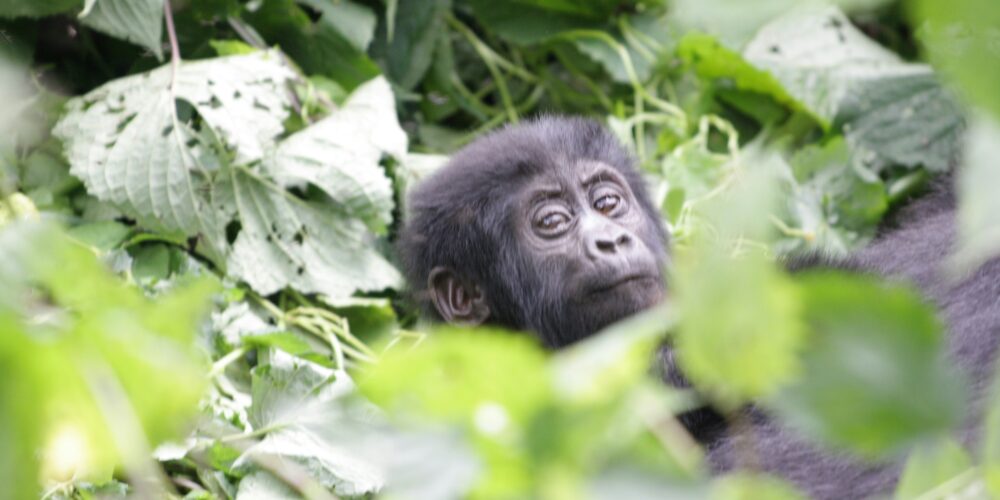
Gorilla trekking in Rwanda follows strict guidelines that protect both visitors and mountain gorillas. These rules ensure safety, reduce disease transmission, and preserve natural behavior. Understanding the gorilla trekking rules Rwanda helps you prepare for the experience and avoid mistakes that can affect your trek.
Why Rules Matter in Gorilla Trekking
Mountain gorillas share close genetic similarities with humans, which makes them vulnerable to human diseases. Even minor illnesses can pose serious risks to their survival.
Rwanda enforces regulations through trained rangers who guide every trek. These rules also maintain a controlled environment where gorillas remain comfortable with human presence without becoming dependent or stressed.
Age Limit for Gorilla Trekking
Visitors must be at least 15 years old to participate in gorilla trekking. This rule ensures that trekkers can handle the physical demands and follow instructions carefully.
Younger children may struggle with the trek or react unpredictably around wildlife. The age limit protects both the gorillas and the trekking group.
Group Size and Time Limits
Each gorilla family receives a maximum of eight visitors per day. This limit reduces stress on the animals and controls human impact on their habitat.
Once you locate the gorillas, you spend a maximum of one hour observing them. This time allows meaningful interaction while minimizing disturbance.
Health Requirements Before the Trek
You should not participate in gorilla trekking if you feel unwell. Illnesses such as flu, cough, or fever can spread to gorillas.
Rangers may deny access if they detect signs of illness during the briefing. Carrying a face mask helps reduce the risk of disease transmission and remains recommended during close encounters.
Maintaining Distance from Gorillas
You must keep a minimum distance of 7 meters from the gorillas at all times. This rule protects both parties and reduces the risk of disease transmission.
Gorillas sometimes move closer on their own. In such cases, remain calm and avoid stepping forward. Rangers guide you on how to respond safely.
Behavior Around Gorillas
Remain calm and avoid sudden movements when near gorillas. Loud noises, running, or aggressive gestures can disturb them.
Speak quietly and follow ranger instructions closely. Do not attempt to touch the gorillas, even if they approach you.
If a gorilla displays signs of agitation, lower your gaze and remain still. Rangers manage such situations and ensure group safety.
Photography Rules
Photography is allowed, but flash photography is strictly prohibited. Flash can startle gorillas and disrupt their behavior.
Use natural light and adjust your camera settings to suit forest conditions. Maintain distance while taking photos and avoid blocking others in your group.
Eating, Drinking, and Waste Management
Do not eat, drink, or smoke near gorillas. Food can attract unwanted attention and increase the risk of contamination.
Carry all waste out of the park. Leave no trace behind to protect the environment and maintain the natural habitat.
Following Ranger Instructions
Rangers lead every trek and make decisions based on safety and conservation. You must follow their instructions at all times.
They determine when to move, where to stand, and how to behave around gorillas. Respecting their guidance ensures a smooth and safe experience.
Use of Porters and Support Staff
Hiring a porter remains optional but highly recommended. Porters assist with carrying bags and provide support on difficult terrain.
They also help maintain balance and reduce fatigue during the trek. This service supports local communities and improves your overall experience.
Environmental Responsibility
Stay on designated paths where possible and avoid damaging vegetation. Rangers often create temporary routes, but you should not stray from guided directions.
Respect the forest environment and avoid picking plants or disturbing wildlife beyond the gorillas.
What Happens if You Break the Rules
Rangers monitor all visitors closely. Failure to follow the gorilla trekking rules Rwanda can result in warnings or removal from the trekking group.
Serious violations may lead to penalties or denial of future trekking access. These measures protect the integrity of the conservation system.
Preparing for the Trekking Briefing
Arrive early at the park headquarters for the briefing session. Rangers explain all rules before assigning gorilla families.
This session allows you to ask questions and clarify any concerns. Paying attention during the briefing ensures you understand expectations before entering the forest.
Conservation Impact of Following the Rules
Every rule contributes to the long-term survival of mountain gorillas. Controlled tourism generates revenue that supports conservation and local communities.
By following guidelines, visitors play a direct role in protecting one of the world’s most endangered species.
Conclusion
The gorilla trekking rules in Rwanda exist to protect both gorillas and visitors. These regulations ensure a safe, respectful, and sustainable wildlife experience.
Understanding and following the rules allows you to enjoy the encounter fully while contributing to conservation efforts. Gorilla trekking becomes more meaningful when you approach it with awareness and responsibility.