
Ethical Considerations of Gorilla Trekking
Ethical Considerations of Gorilla Trekking.
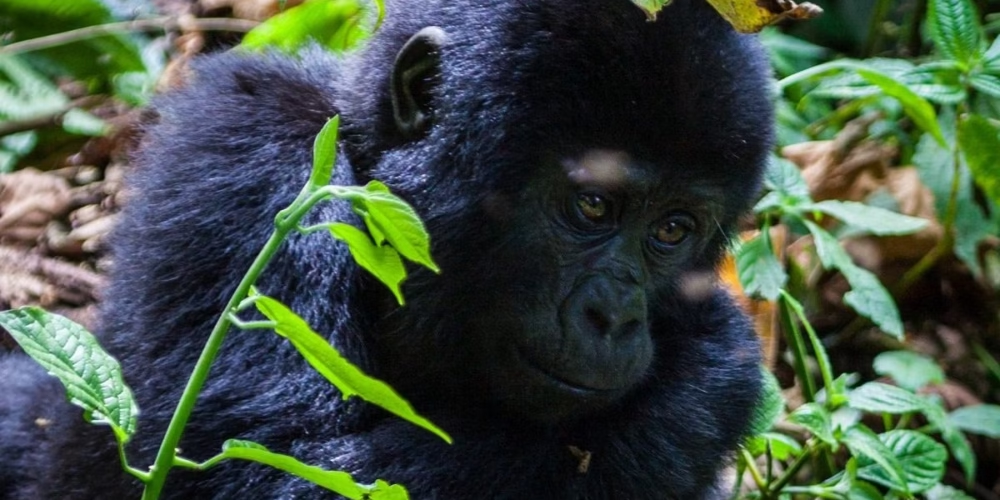
Ethical gorilla trekking. Gorilla trekking offers a rare chance to connect with one of the world’s most endangered species. It creates powerful moments and unforgettable memories. But with this privilege comes a responsibility. Ethical choices protect the gorillas, their habitat, and local communities.
- Respect the Gorillas’ Space
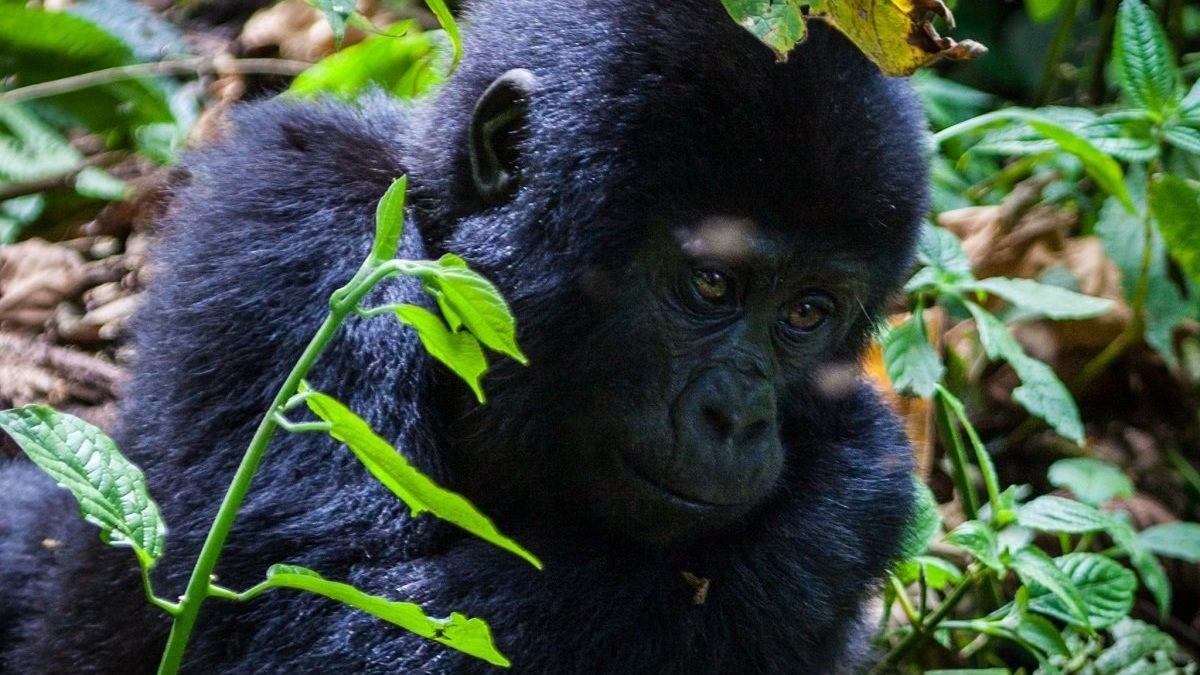
Gorillas share over 98% of our DNA. They are intelligent, social, and sensitive. Keeping a minimum distance of 7 meters protects them from stress and illness. Getting too close risks passing human diseases to them. Guides help enforce this rule, and visitors must follow it at all times.
-
Limit Group Sizes and Visits
Each gorilla group sees only one small group of tourists per day. This keeps their environment quiet and undisturbed. Each visitor gets just one hour with the gorillas. This limit helps reduce stress and preserves natural behavior. Buying a permit supports this system and funds conservation.
-
Choose Responsible Operators
Not all trekking experiences support the same standards. Contact Us. Ethical operators invest in training guides, respecting wildlife, and supporting local communities. Their focus goes beyond profit—they protect what makes gorilla trekking special.
-
Avoid Flash Photography and Loud Noise
Flashing cameras can startle gorillas. Loud voices break the calm of the forest. Keep your voice low and movements gentle. Avoid anything that may agitate the gorillas. A peaceful environment keeps both tourists and animals safe.
-
Health Checks Matter
Visitors who show signs of illness (like flu, fever, or cough) should not trek. Park authorities may refuse entry to protect gorillas from infection. This rule may feel disappointing, but it protects gorillas from diseases they cannot fight. Staying honest about your health is the right thing to do.
-
Support Local Communities
Gorilla trekking supports nearby villages through jobs and tourism revenue. Local people serve as guides, porters, cooks, and lodge staff. A portion of each gorilla permit goes back to community projects like schools and clinics. Supporting local businesses builds trust and long-term conservation.
-
Don’t Feed or Touch the Gorillas
Feeding gorillas creates dependency. Touching them puts their health at risk. Guides will remind you: never hand over food, and never reach out. Gorillas must stay wild to survive. Respecting their space keeps them safe and thriving.
-
Leave No Trace
Carry out what you carry in. Do not litter or pick plants. Stick to designated trails. Leave the forest just as you found it. Your footprints should be the only sign you were there.
Plan Your Safari With Us
At Gecko Safaris Africa, we follow strict ethical standards on every gorilla trek. We train our guides to prioritize wildlife safety and guest education. By trekking with us, you help protect mountain gorillas and empower the communities that live near them. Choose travel that makes a difference.