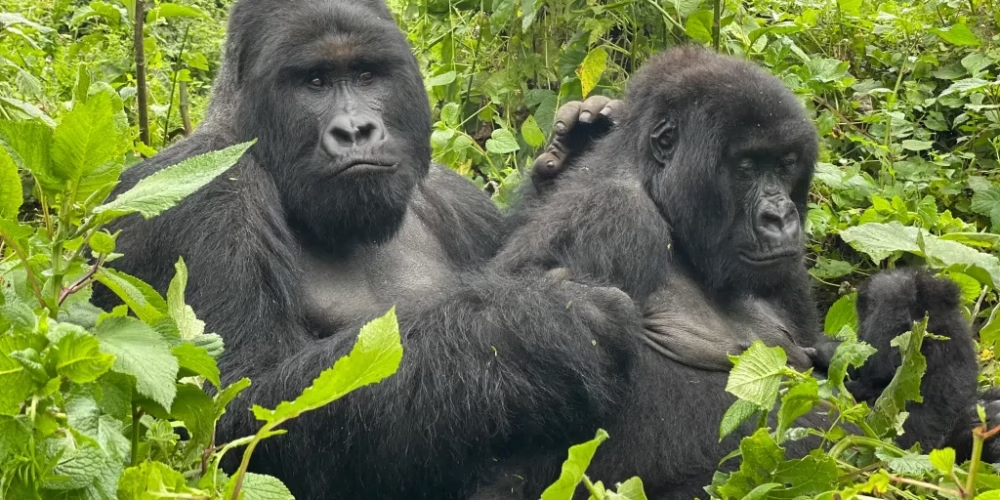

Ultimate Guide to Gorilla Habituation in Congo
Ultimate Guide to Gorilla Habituation in Congo
Gorilla habituation is a rare and extraordinary wildlife experience. Unlike regular gorilla trekking, habituation allows visitors to spend extended time with gorillas as they gradually get used to human presence. In the Democratic Republic of Congo (DRC), this experience is available in a few special sites, offering a deeper connection to mountain gorillas in their wild habitat.
This guide explains everything you need to know about gorilla habituation in Congo—from what it involves to how to prepare for the journey.
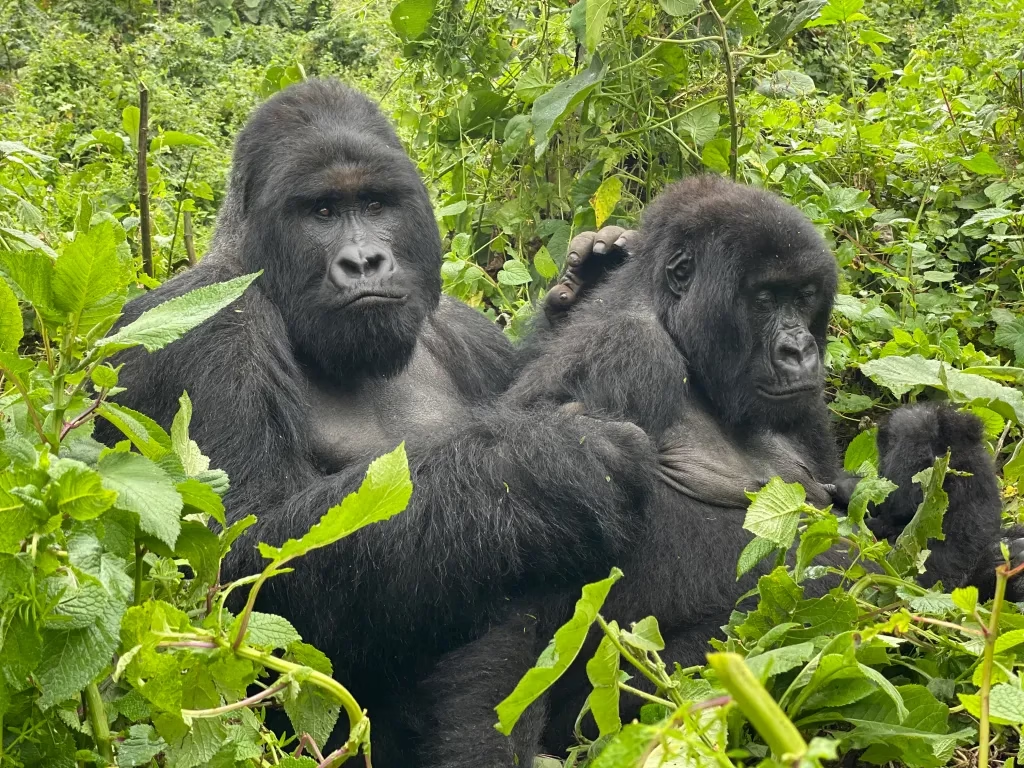
What Is Gorilla Habituation?
Gorilla habituation is the careful process of gradually introducing wild gorilla groups to human presence. This takes weeks or months and requires expert trackers, conservationists, and researchers.
Visitors join habituation treks to observe the gorillas over several hours, sometimes up to four hours. Unlike standard trekking, which allows only a one-hour visit, habituation offers more time to watch natural behaviors like feeding, playing, and socializing.
Where to Experience Gorilla Habituation in Congo
The Virunga National Park in eastern Congo is the main site for habituation. The park is part of the Virunga Mountains, home to the critically endangered mountain gorillas.
One popular habituation group is the Mikeno family. Joining habituation treks here requires permits issued by the Congolese Institute for Nature Conservation (ICCN).
Why Choose Gorilla Habituation?
- Longer Viewing Time: Habituation treks last up to four hours, giving you a rare chance to study gorilla behavior in depth.
- Unique Experience: You witness how gorillas respond to humans during the habituation process.
- Conservation Support: Fees from habituation visits fund anti-poaching patrols and community projects, supporting gorilla protection.
What to Expect During the Trek
Habituation treks often start early, sometimes before dawn. You hike through dense forest and rugged terrain, following trackers who search for the gorilla group.
The pace is slow and careful to avoid disturbing the animals. Once found, the group may spend hours interacting with visitors. You must keep noise low, avoid sudden movements, and follow the guide’s instructions.
Permits and Costs
Gorilla habituation permits in Congo are limited and more expensive than regular trekking permits. Prices range from $1,500 to $2,500 per person, depending on the program.
Booking well in advance is essential, as permits are scarce and demand is high.
Health and Safety Considerations
Due to the close proximity to gorillas during habituation, strict health protocols apply. Visitors usually must wear masks and maintain hygiene standards to prevent disease transmission.
Travelers should be in good physical condition and vaccinated against common illnesses, including yellow fever and COVID-19.
Tips for a Successful Gorilla Habituation Safari
- Book through experienced local operators familiar with Virunga and ICCN regulations.
- Prepare physically for steep, muddy trails.
- Pack light, but include essentials: hiking boots, rain gear, insect repellent, and binoculars.
- Respect gorilla rules: stay the recommended distance, avoid flash photography, and follow your guide’s lead.
Conclusion
Gorilla habituation in Congo offers a rare and deeply rewarding wildlife encounter. It’s ideal for passionate travelers and conservation supporters who want a unique look at gorilla behavior and contribute to their protection.
If you dream of spending extended time with these gentle giants in their natural home, habituation in Congo is an experience like no other.