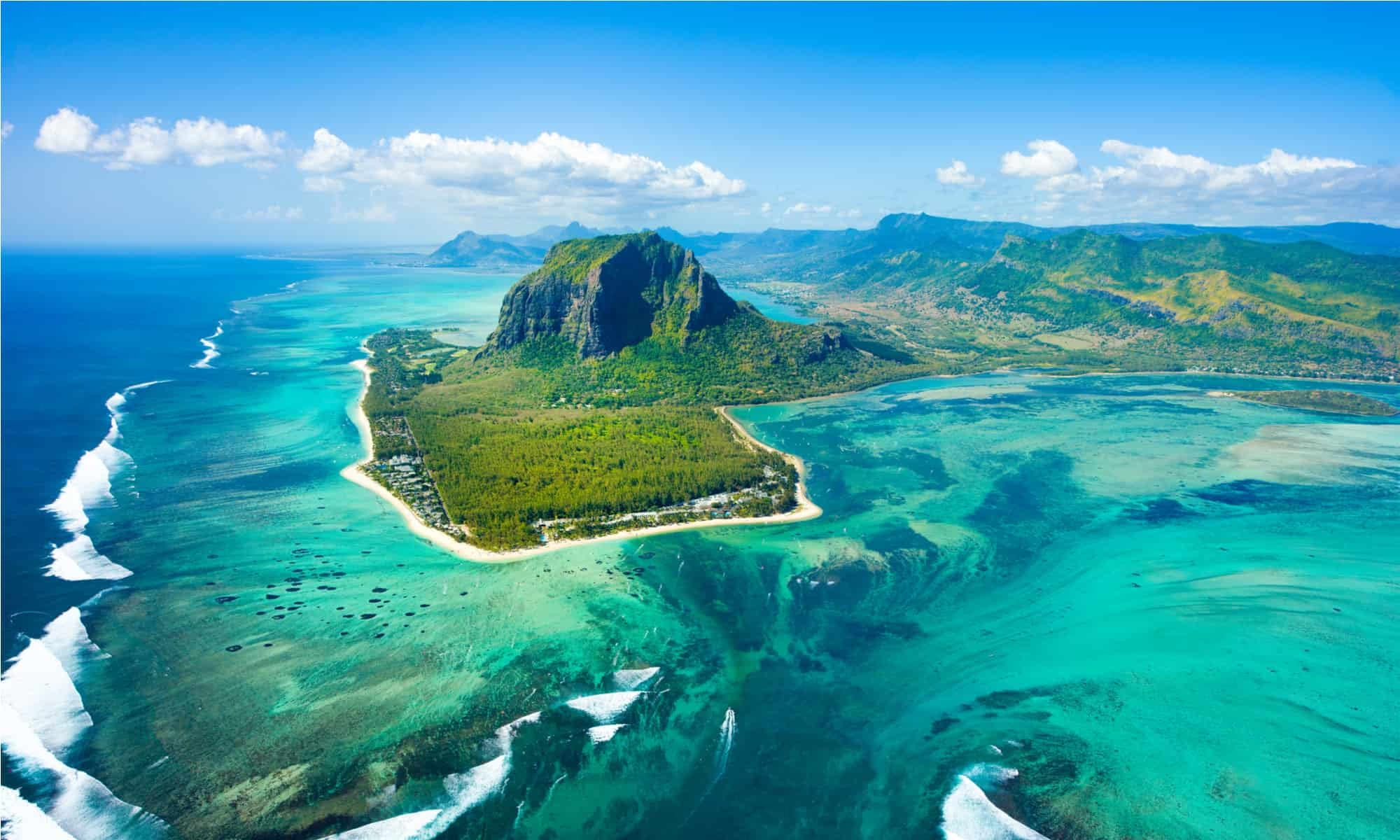

The Indian Ocean
The Indian Ocean: The World’s Third-Largest Ocean
The Indian Ocean, the world’s third-largest ocean, stretches across 70.56 million square kilometers, covering approximately 20% of the Earth’s surface. It is bordered by Asia to the north, Africa to the west, Australia to the east, and the Southern Ocean to the south. Known for its warm waters, unique marine biodiversity, and critical role in global trade, the Indian Ocean has influenced civilizations, cultures, and economies for centuries.
Geography and Climate
The Indian Ocean is the only ocean named after a country—India. It spans from the eastern coast of Africa to the western shores of Australia and from the southern tip of India to Antarctica. Key geographical features include:
- Mid-Indian Ridge: A major underwater mountain range stretching across the ocean floor.
- Mariana Trench: The ocean’s deepest point, plunging over 7,455 meters.
- Seychelles and Maldives: Coral atolls and island nations formed by volcanic and coral activity.
The climate of the Indian Ocean is influenced by monsoons, which bring seasonal winds and rainfall, impacting countries such as India, Sri Lanka, and East Africa. The ocean also plays a crucial role in regulating global climate patterns by absorbing heat and distributing warm currents.
Marine Biodiversity
The Indian Ocean is home to a rich variety of marine life, with ecosystems that support
- Coral Reefs: The Great Barrier Reef and the reefs of Seychelles and Madagascar provide shelter for thousands of marine species.
- Marine Mammals: Dolphins, whales, and dugongs roam the waters, with humpback whales migrating across the ocean.
- Endangered Species: The ocean is a vital habitat for green and leatherback sea turtles, as well as the elusive coelacanth fish.
- Fisheries: Tuna, mackerel, and prawns sustain local economies and global seafood markets.
Economic Importance
The Indian Ocean is a vital global trade route, facilitating the movement of goods, energy resources, and raw materials. Key aspects of its economic significance include:
- Shipping Routes: Over 40% of global oil trade passes through the ocean, particularly via the Strait of Hormuz and the Strait of Malacca.
- Fishing Industry: Millions depend on fishing for their livelihoods, making sustainable practices crucial for conservation.
- Tourism: Countries like the Maldives, Seychelles, and Zanzibar thrive on marine tourism, offering diving, snorkeling, and luxury beach experiences.
- Natural Resources: The ocean holds vast reserves of oil, gas, and minerals, with exploration ongoing in regions like Mozambique and India’s coastal waters.
Challenges and Conservation Efforts
Despite its economic value, the Indian Ocean faces environmental threats, including:
- Overfishing: Depleting fish stocks due to unregulated fishing practices.
- Pollution: Plastic waste and oil spills affecting marine ecosystems.
- Climate Change: Rising sea levels and ocean acidification are endangering coral reefs and coastal communities.
Conservation efforts include the establishment of marine protected areas (MPAs), government regulations on fishing, and global initiatives to combat plastic pollution.
Plan Your Exploration of the Indian Ocean
Whether diving into its vibrant coral reefs, exploring historic coastal cities, or understanding its role in global trade, the Indian Ocean remains one of the most fascinating and essential bodies of water on Earth. Plan your journey to experience the wonders of this vast and diverse ocean firsthand.