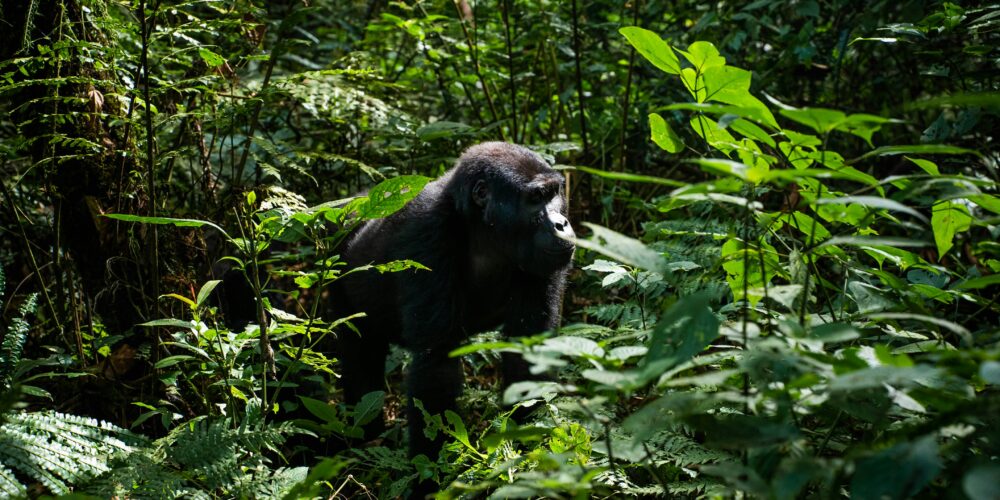

Rwanda Gorilla Families: Meet the Habituated Groups
Rwanda Gorilla Families: Meet the Habituated Groups
Volcanoes National Park protects one of the world’s most important populations of mountain gorillas. Within this protected landscape, several habituated families welcome visitors for carefully managed trekking experiences. Each group carries a distinct identity shaped by its dominant silverback, group size, behavior, and territory. This Rwanda gorilla families names guide introduces the main groups you may encounter and explains what makes each one unique.
Understanding Gorilla Families in Rwanda
A gorilla family consists of a dominant silverback, several females, juveniles, and infants. The silverback leads the group, protects it, and determines movement across the forest.
Rwanda currently has around 15 habituated gorilla families available for trekking. Rangers track these groups daily and assign visitors based on availability and fitness levels. Each family occupies a specific range within the park, which influences trekking distance and difficulty.
Susa Family (Susa A)
The Susa family stands as one of the most famous groups in Rwanda. Dian Fossey studied this group extensively, which gives it strong historical significance.
This family often ranges high on Mount Karisimbi, which makes the trek more demanding. The group usually includes a large number of members, including multiple silverbacks and several infants. Visitors often observe complex social interactions within this group.
Sabyinyo Family
The Sabyinyo family stays closer to the park edge, which makes it one of the more accessible groups for trekking. This group gained attention for its former dominant silverback, Guhonda, known as one of the largest silverbacks ever recorded.
The family often includes several juveniles and infants, which creates active and engaging encounters. Trekkers who prefer shorter hikes often receive assignments to this group.
Amahoro Family
The Amahoro family, whose name means “peaceful,” reflects a calm and gentle temperament. This group moves within mid-range altitudes, which creates a balanced trekking experience.
Visitors often notice the relaxed behavior of the gorillas, especially during feeding and resting periods. The trek may still involve steep sections, but the overall experience remains manageable.
Umubano Family
The Umubano family split from the Amahoro group after a leadership conflict between silverbacks. This history shapes its dynamic and social structure.
The group often ranges in higher areas, which can make the trek more challenging. However, the experience rewards trekkers with strong interactions and a chance to observe how gorilla families evolve over time.
Kwitonda Family
The Kwitonda family migrated from the Democratic Republic of Congo into Rwanda. The group tends to roam across larger areas, which can lead to longer treks.
This family includes several members and often stays within forested zones that require steady hiking. Trekkers who reach this group experience a quieter and more remote setting.
Hirwa Family
The Hirwa family formed from members of different groups, which explains its name, meaning “lucky one.” This group often includes several twins, which remain rare among mountain gorillas.
The family ranges across different sections of the park, sometimes near Mount Sabyinyo. The trek can vary in difficulty, but the presence of young gorillas creates a lively and memorable encounter.
Agashya Family (Group 13)
The Agashya family, formerly known as Group 13, gained recognition due to its dominant silverback, Agashya. He took control of the group and led it to higher altitudes within the park.
This group often moves across steeper terrain, which increases trekking difficulty. However, it offers rewarding views and dynamic gorilla interactions.
Karisimbi Family (Susa B)
The Karisimbi family split from the original Susa group and now occupies higher slopes of Mount Karisimbi. This group requires one of the most demanding treks in the park.
Trekkers who reach this family experience a remote and less crowded environment. The effort required often leads to a more exclusive and immersive encounter.
Bwenge Family
The Bwenge family formed after a silverback left another group and created a new one. This group experienced a challenging early history but has since stabilized.
The family often includes a good number of members and ranges across forested areas that require moderate trekking effort. Visitors often observe strong group bonding and social rebuilding.
Ugenda Family
The Ugenda family moves frequently, which makes it less predictable than other groups. Its name reflects its traveling nature.
Treks to this group can vary significantly in duration and difficulty. Visitors who track this family experience a more dynamic and exploratory trek.
Titus Family
The Titus family carries a unique conservation story. Its dominant silverback survived difficult early life conditions and later rebuilt the group.
This family stays within areas that require moderate hiking. Visitors often appreciate the history and resilience behind this group.
Muhoza Family
The Muhoza family split from the Hirwa group and now operates as an independent unit. It continues to grow as new members join.
The group stays within accessible ranges, which creates manageable trekking conditions. Visitors often observe playful juveniles and active group behavior.
How Gorilla Families Are Assigned
Rangers assign gorilla families each morning at the park headquarters. They consider visitor fitness levels, age, and preferences when making assignments.
Travelers who prefer shorter or easier treks should communicate this during the briefing. While requests cannot always be guaranteed, early arrival and clear communication improve your chances.
What Makes Each Gorilla Family Unique
Each family offers a different experience. Some groups feature large numbers and active social behavior, while others provide quieter and more intimate encounters.
Location also shapes the experience. Lower-altitude groups allow easier access, while higher-altitude groups require more effort but offer more remote settings.
The Rwandan gorilla families’ names reflect not just identification but also the history and character of each group.
Conservation and Protection of Gorilla Families
Rwanda protects its gorilla families through strict conservation measures. Rangers monitor each group daily, and visitor numbers remain limited.
Permit revenue supports conservation programs, veterinary care, and community projects. This system ensures long-term protection of mountain gorillas and their habitat.
Visitors contribute directly to this effort by participating in responsible tourism.
Conclusion
This Rwanda gorilla families names guide highlights the diversity of habituated groups in Volcanoes National Park. Each family brings a unique story, behavior, and trekking experience.
While you cannot always choose your assigned group, every encounter delivers a powerful connection with one of the world’s most endangered species. Gorilla trekking in Rwanda remains less about selecting a specific family and more about experiencing the remarkable lives of these animals in their natural environment.