
Gorilla Charging – What Makes a Gorilla Beat Its Chest and Charge?
Gorilla Charging – What Makes a Gorilla Beat Its Chest and Charge?
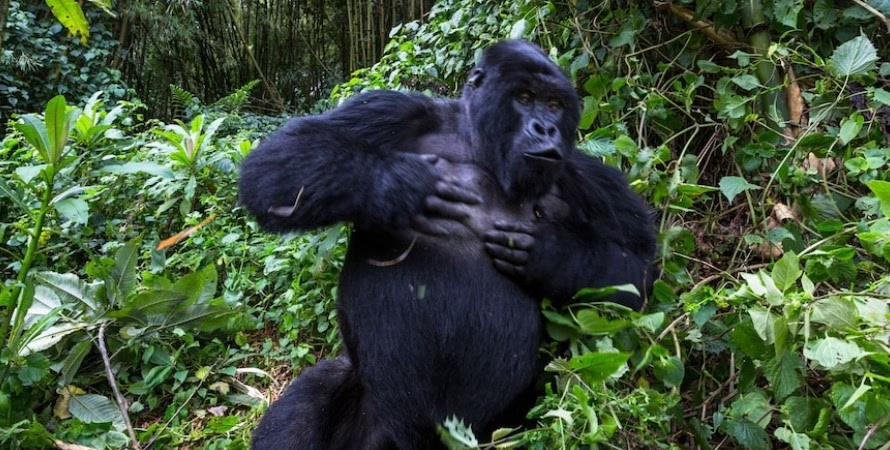
Few experiences in the wild are as heart-pounding as watching a gorilla beat its chest and charge. The deep, rhythmic drumming that echoes through the forest is both thrilling and intimidating — a powerful reminder that you’re in the presence of one of nature’s most majestic primates. But why do gorillas behave this way? Is it an act of aggression, dominance, or communication?
Let’s explore what drives gorillas to beat their chests, what a charge really means, and how trekkers can respond safely during such an encounter.
Understanding Gorilla Behavior
Gorillas, especially silverbacks (adult males), are known for their expressive body language. From chest beating to vocalizations and mock charges, these actions serve as a form of communication rather than random aggression.
A charging gorilla is not always attacking — most of the time, it’s a warning or display of dominance meant to maintain order within the group or discourage perceived threats.
Why Gorillas Beat Their Chests
The iconic chest beating — the hollow drumming sound you hear — serves several important purposes in gorilla social behavior:
-
Communication and Display of Strength
When a gorilla beats its chest, it’s broadcasting a message to others in the forest. The sound travels far, letting rival males know about its strength, size, and readiness to defend its group. It’s a way to avoid physical confrontation through sound and intimidation.
-
Establishing Dominance
For silverbacks, chest beating is part of maintaining hierarchy. The dominant male uses it to remind younger males and group members of his authority. It’s a display of power that reinforces leadership without resorting to violence.
-
Courtship and Attraction
During the mating season, chest beating can be part of courtship behavior. Males may drum their chests to attract females or show off their vigor. In this context, it’s not a threat but a form of showmanship.
-
Expressing Excitement or Agitation
Young gorillas and juveniles also beat their chests playfully, especially during moments of excitement or mock fighting. However, in adult silverbacks, this behavior often appears during heightened emotion — when the gorilla feels alert, challenged, or provoked.
What Happens When a Gorilla Charges
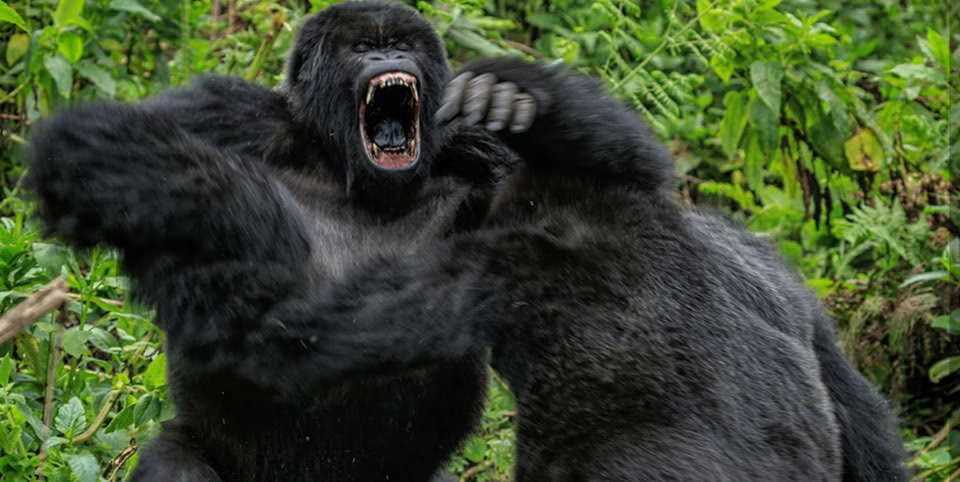
A gorilla charge is one of the most dramatic displays in the wild. It can happen when a gorilla feels threatened by humans, predators, or rival males. There are two main types:
-
Bluff Charge
Most gorilla charges are bluffs. The silverback rushes forward, beats his chest, roars, and stops short of making contact. This display is designed to scare off intruders and protect his family without causing harm.
-
Real Charge
A real charge happens rarely and usually occurs when the gorilla feels cornered or provoked. In this case, the silverback may make physical contact to neutralize the perceived threat. However, during gorilla trekking, such situations are extremely rare thanks to proper visitor behavior and the work of experienced park rangers.
How to React When a Gorilla Charges
During gorilla trekking, it’s essential to know how to behave if a gorilla beats its chest or mock-charges. Rangers provide clear instructions before every trek, but the key points include:
- Stay calm and don’t run. Sudden movement may trigger pursuit.
- Avoid direct eye contact. Gorillas interpret it as a challenge.
- Crouch down slowly. Make yourself appear smaller and non-threatening.
- Follow the ranger’s guidance. They understand gorilla behavior and know how to de-escalate.
- Stay quiet. Loud noises can heighten the gorilla’s tension.
By following these steps, visitors can safely witness one of nature’s most powerful displays of strength and emotion.
The Science Behind Chest Beating
Recent studies have revealed fascinating insights into gorilla chest-beating acoustics. The sound isn’t random — its pitch and rhythm correlate with the size and body condition of the gorilla. Larger males produce deeper, more resonant sounds that carry farther through the forest.
This helps gorillas advertise their size and dominance to rivals without direct conflict, saving energy and reducing injury risks — a brilliant example of communication in the animal kingdom.
Chest Beating and Gorilla Conservation
Understanding gorilla behavior plays a key role in conservation and tourism. Rangers and researchers in parks like Volcanoes National Park (Rwanda), Bwindi Impenetrable Forest (Uganda), and Virunga National Park (Congo) use behavioral cues — such as chest beating and charging — to monitor group health and dominance patterns.
Tourists learn to respect the gorillas’ space, ensuring minimal stress on the animals while supporting conservation through responsible ecotourism.
Why You Shouldn’t Fear a Charging Gorilla
While a charging gorilla can seem terrifying, it’s important to remember that gorillas are gentle giants by nature. They charge primarily as a warning, not to attack. Most silverbacks prefer to protect their group without physical confrontation.
As long as visitors respect their space and follow ranger guidance, encounters remain safe, thrilling, and deeply emotional.
Experience Gorilla Trekking with Gecko Safaris Africa
Witnessing a silverback beat its chest is one of the most awe-inspiring moments in nature — a primal display of strength, communication, and leadership.
Join Gecko Safaris Africa for unforgettable gorilla trekking adventures in Rwanda, Uganda, and Congo. Our expert guides ensure safe, ethical, and thrilling encounters with these magnificent creatures in their natural habitat.