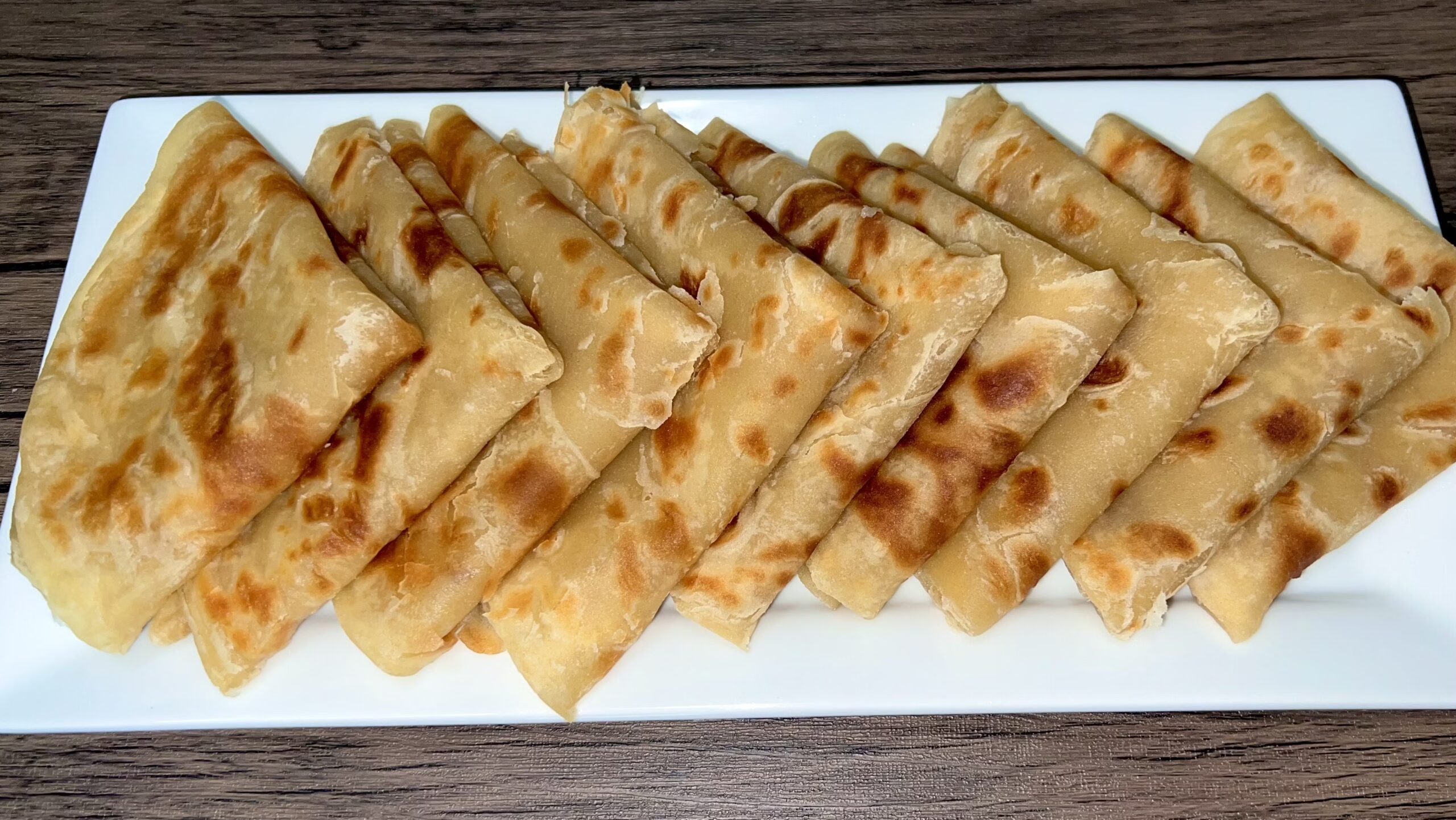

Chapati: Uganda’s Favorite Flatbread
Chapati: Uganda’s Favorite Flatbread
Chapati: Uganda’s Flatbread. Uganda’s most loved and widely eaten flatbreads. Found on almost every street corner, restaurant, and home kitchen, chapati has become a key part of the country’s food culture. Whether eaten alone, with tea, or served alongside beans, stew, or vegetables, chapati remains a favorite among Ugandans of all ages.
Origins of Chapati in Uganda
Chapati traces its roots back to India, introduced to East Africa through trade and migration. Over time, Ugandans embraced it and made it their own. Unlike Indian chapati, which is often made without oil, Ugandan chapati is slightly thicker, softer, and more flavorful due to the added oil.
How Chapati is Made
Making chapati requires simple ingredients, yet the process demands skill to achieve the perfect texture and taste.
Ingredients:
- 2 cups all-purpose flour
- 1/2 teaspoon salt
- 3 tablespoons cooking oil
- 3/4 cup warm water
Preparation Steps:
Mixing the Dough – Combine flour, salt, and oil in a bowl. Gradually add warm water to form a soft dough.
Kneading – Knead the dough for about 10 minutes until smooth. Cover and let it rest.
Rolling the Chapati – Roll small portions of dough into thin, round shapes using a rolling pin.
Cooking – Place the rolled dough on a hot pan, drizzle with oil, and cook both sides until golden brown.
Variations of Chapati
Uganda has different styles of chapati, each offering a unique twist.
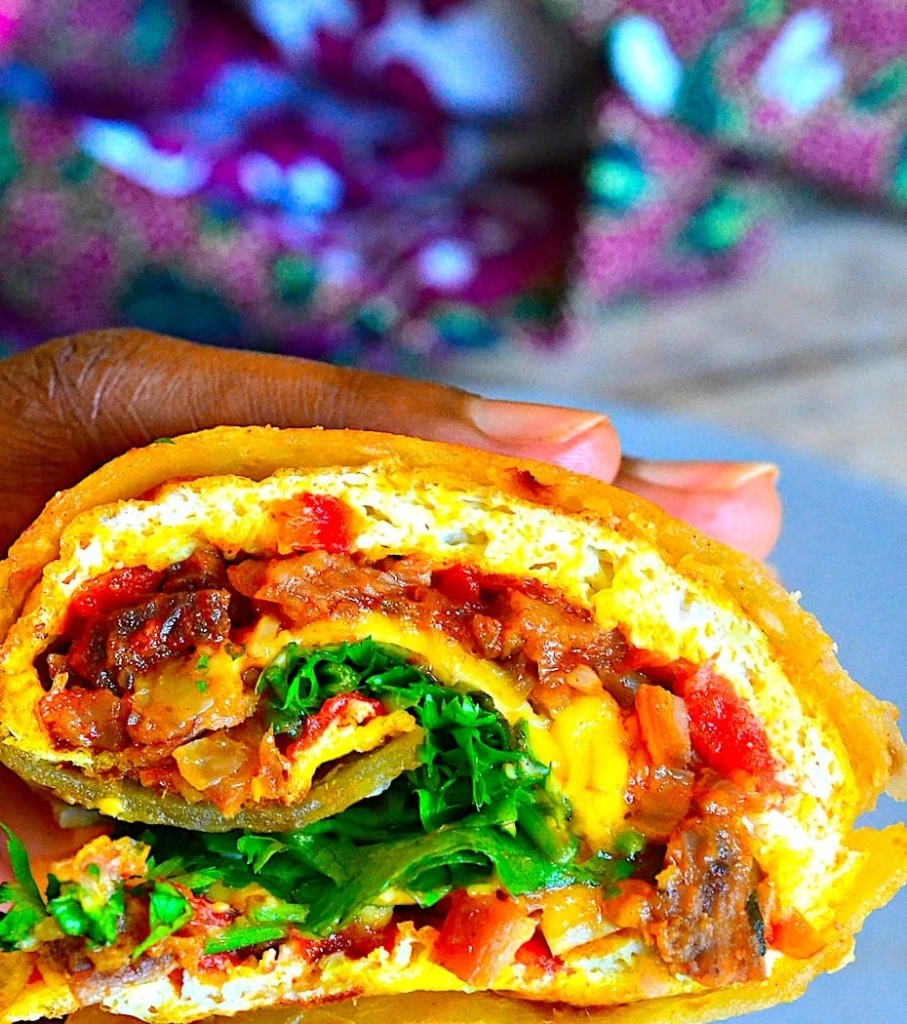
- Plain Chapati – The most common version, served with stews, tea, or beans.
- Rolex – A popular street food where chapati is wrapped around an omelet with vegetables.
- Layered Chapati (Soft Chapati) – A flaky, multi-layered version achieved by folding and rolling the dough multiple times.
- Spiced Chapati – Some people add garlic, herbs, or even chili to give chapati a unique flavor.
Why Ugandans Love Chapati
Chapati’s popularity comes from its versatility, affordability, and delicious taste. It serves as a quick street snack, a side dish for stews, or even a breakfast meal when paired with tea. Unlike other staple foods that require lengthy cooking, chapati is easy to make and ready in minutes.
Health Benefits of Chapati
- Good Source of Energy – Rich in carbohydrates, making it a filling meal.
- Low in Fat – When made with minimal oil, chapati is a healthier alternative to deep-fried snacks.
- Rich in Fiber – Whole wheat chapati improves digestion.
Taste Uganda’s Beloved Flatbread
Chapati has become more than just food—it is a part of Uganda’s culture and everyday life. Whether you’re enjoying it with beans, making a Rolex, or simply eating it fresh off the pan, chapati remains a must-try Ugandan dish.
Plan Your Culinary Experience in Uganda
Visit Uganda’s streets and local restaurants to experience freshly made chapati. Enjoy it with your favorite stew or try the famous Rolex for a true Ugandan food experience!