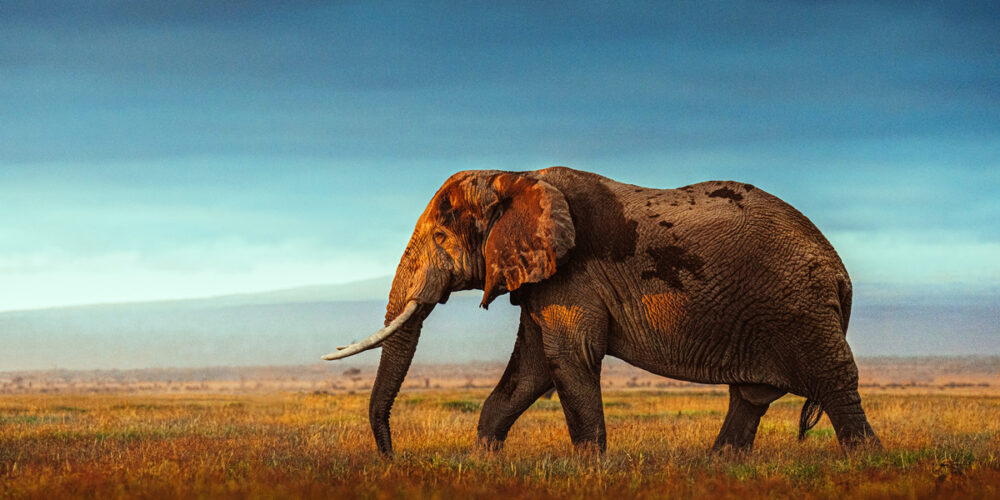

Low Season Safari Discounts Africa
Low Season Safari Discounts Africa: How to Save on an African Safari
An African safari can become one of the most rewarding travel experiences in the world, but the cost can sometimes make travelers hesitate. Accommodation, park fees, private vehicles, guides, flights, and activities can quickly increase the overall price of a safari.
The good news is that travelers can often find low season safari discounts Africa offers during quieter travel periods. Many lodges and camps reduce their rates when visitor numbers decline, while safari operators may provide special packages to encourage travel during these months.
Low season does not necessarily mean poor wildlife viewing. In many destinations, animals remain abundant throughout the year, while green landscapes, fewer vehicles, and lower accommodation rates can create a different and equally rewarding safari experience.
What Is Low Season for an African Safari?
Low season refers to periods when a destination receives fewer visitors than during its busiest travel months. Safari seasons vary across Africa because each country experiences different weather patterns, wildlife movements, and tourism demand.
In East Africa, April and May often represent quieter travel periods because of the long rains. Some safari destinations also experience lower demand during November.
Southern Africa has different seasonal patterns. Some destinations offer lower rates during the wetter summer months, although wildlife viewing can still remain excellent.
Low season therefore differs from country to country. Travelers should look at each destination individually rather than assuming that one period applies across Africa.
Why Do Safari Lodges Offer Low Season Discounts?
Safari lodges depend heavily on occupancy. During peak periods, demand can fill rooms and tents months in advance, allowing properties to charge their standard or premium rates.
During quieter months, lodges may reduce rates to attract more guests. These discounts can sometimes apply to accommodation, meals, activities, transfers, or longer stays.
Some properties offer percentage reductions, while others create special packages such as stay-three-pay-two offers. The exact promotion depends on the lodge and season.
Travelers who remain flexible with dates can therefore save significantly without sacrificing the overall safari experience.
Best African Destinations for Low Season Safari Deals
Several African safari destinations offer attractive low-season opportunities. Uganda, Rwanda, Kenya, Tanzania, South Africa, Zambia, Zimbabwe, Botswana, and Namibia all have periods when travel demand decreases.
However, the reasons for lower demand differ. Some destinations experience heavy rainfall, while others simply experience fewer international visitors during particular months.
Uganda can provide interesting low-season opportunities for travelers combining gorilla trekking with wildlife safaris. Tanzania offers different seasonal opportunities depending on whether you focus on the Serengeti, northern circuit, or southern parks.
Kenya’s Masai Mara can also offer quieter periods outside the main migration season.
Low Season Safari Discounts in Uganda
Uganda offers year-round safari opportunities, including gorilla trekking, chimpanzee trekking, and traditional wildlife safaris. The rainy seasons can bring lower accommodation demand, particularly around April, May, and parts of November.
Many lodges remain open throughout these periods. Travelers can sometimes find better accommodation rates and more availability than during the main dry seasons.
The rain also creates lush landscapes across Bwindi, Kibale, Queen Elizabeth, and Murchison Falls national parks. This can create excellent conditions for photography and birdwatching.
Gorilla trekking continues throughout the year, although forest trails can become muddy during wetter months. Travelers should therefore prepare with waterproof clothing and sturdy hiking boots.
Low Season Safari Discounts in Rwanda
Rwanda can offer quieter travel conditions during its rainy seasons, particularly around March to May and October to November.
Volcanoes National Park remains open for gorilla trekking throughout the year. Rain can make trails more challenging, but it also keeps the forest lush and vibrant.
Akagera National Park can provide excellent wildlife viewing during different seasons. Nyungwe also remains attractive for chimpanzee trekking and forest experiences.
Travelers looking for better accommodation availability can consider these quieter months.
Low Season Safari Discounts in Kenya
Kenya’s low seasons often coincide with periods of higher rainfall. April and May can offer some of the most attractive rates in destinations such as the Masai Mara.
The reserve remains home to resident wildlife throughout the year. Lions, leopards, elephants, buffaloes, giraffes, and numerous antelope species continue living in the ecosystem even when the migrating herds are elsewhere.
The landscape becomes greener during rainy periods. Fewer safari vehicles can also create a more peaceful experience.
Travelers should prepare for muddy tracks and occasional changes to game-drive routes.
Low Season Safari Discounts in Tanzania
Tanzania provides several opportunities for travelers seeking lower-season rates. April and May often receive fewer visitors because of the long rains.
Accommodation rates can become more competitive during this period. Some lodges and camps also offer special packages to attract travelers.
The Serengeti remains rich in wildlife, while the green landscape can create excellent photography conditions.
However, the migration location changes throughout the year. Travelers should select their destination according to the expected herd movements rather than focusing only on price.
Low Season Safari Discounts in South Africa
South Africa offers year-round safari opportunities, particularly in private reserves and Kruger National Park.
Some properties offer better rates during the summer months when temperatures rise and rainfall increases. The vegetation becomes thicker, which can make some animals harder to spot.
However, summer also provides excellent birdwatching opportunities and lush scenery. Newborn animals can also make this period particularly interesting.
Travelers who prefer dry conditions and easier wildlife spotting may still choose the winter months, even though demand can increase.
Low Season Safari Discounts in Zambia
Zambia has a pronounced safari season in many destinations. Some camps close during the wettest months because roads become difficult and wildlife patterns change.
However, the shoulder and early dry seasons can offer attractive opportunities when properties remain open.
Lower visitor numbers can create a more exclusive safari atmosphere. Zambia’s walking safaris also provide a distinctive experience for travelers seeking something beyond traditional game drives.
Always confirm whether your preferred lodge operates during your chosen dates.
Low Season Safari Discounts in Zimbabwe
Zimbabwe can provide excellent value during certain quieter periods. Hwange National Park offers wildlife throughout the year, while Victoria Falls experiences dramatically different water levels between seasons.
The wetter months can bring greener scenery and fewer visitors. Dry-season months generally offer stronger wildlife concentration around water sources.
Travelers combining Victoria Falls with a safari should consider both waterfall conditions and wildlife seasons when selecting travel dates.
Low Season Safari Discounts in Botswana
Botswana is known for premium safari experiences, but travelers can sometimes find better rates outside the peak season.
The Okavango Delta changes significantly throughout the year. Water levels and wildlife patterns influence the type of experience you can expect.
Some properties offer lower rates during the green season. The landscape becomes lush, and birdlife can become particularly impressive.
Travelers should compare lodge rates carefully because Botswana’s safari costs can remain higher than many other African destinations.
What Kind of Discounts Can You Find?
Low-season promotions can take several forms. Some lodges reduce their nightly rates, while others offer complimentary nights for longer stays.
A property might provide a stay-four-pay-three promotion, free transfers, reduced child rates, or discounted activities.
Safari operators may also combine accommodation and transport into discounted packages. These packages can sometimes provide better value than booking every service separately.
Always compare the total package cost rather than focusing only on the advertised discount percentage.
Low Season vs Peak Season Safari Prices
Peak-season safaris generally cost more because demand increases. Popular lodges can sell out months ahead, particularly during migration periods and major holidays.
Low-season rates can sometimes reduce accommodation costs significantly. However, park fees, gorilla permits, flights, and other fixed expenses may remain unchanged.
This means your total savings depend on the structure of your itinerary.
A knowledgeable safari operator can identify where flexible dates can create the biggest savings.
Does Low Season Mean Poor Wildlife Viewing?
No. Low season does not automatically mean poor wildlife viewing.
Animals remain in national parks throughout the year. In some destinations, the green season can actually provide excellent wildlife and birdwatching experiences.
The main difference often involves vegetation and animal distribution. During dry months, animals can become concentrated around water sources, making them easier to locate.
During wet months, water becomes more widely available and animals may spread across larger areas.
Advantages of Traveling During Low Season
Lower prices represent one of the biggest advantages of low-season travel. Travelers can sometimes stay in properties that would otherwise exceed their budget during peak periods.
Fewer tourists also create a quieter safari environment. You may encounter fewer vehicles at wildlife sightings, which can make photography and observation more enjoyable.
The landscapes often become greener during rainy periods. Birdlife can also become more active, creating additional opportunities for nature enthusiasts.
Low season can therefore provide excellent value for travelers who prioritize flexibility and privacy.
Disadvantages of Low Season Safari Travel
Rain remains the biggest consideration. Heavy showers can affect roads, game drives, and some outdoor activities.
Some camps close completely during the wettest months. Travelers must therefore confirm availability before booking.
Wildlife can also become more dispersed when water becomes widely available. This can sometimes make certain animals harder to find.
However, experienced guides understand seasonal wildlife behavior and can adjust routes accordingly.
How to Find the Best Low Season Safari Deals
Start by comparing several travel dates instead of requesting a single fixed departure. Even moving your trip by a few days can sometimes produce better rates.
Ask safari operators about seasonal promotions, complimentary nights, reduced accommodation rates, and flexible packages.
Compare several properties in the same destination. Different lodges may have different seasonal pricing structures.
You should also ask whether park fees, transfers, meals, activities, and taxes are included in the advertised rate.
Are Last-Minute Safari Deals Available?
Last-minute safari deals sometimes become available when lodges have unsold rooms. However, relying entirely on last-minute availability can become risky.
Popular destinations may sell out even during quieter seasons. This becomes especially important if your itinerary includes gorilla permits, chimpanzee permits, internal flights, or specific camps.
Booking several weeks or months ahead can provide better planning while still allowing you to benefit from low-season rates.
Low Season Safari Deals for Families
Families can sometimes benefit significantly from low-season travel.
Some lodges offer reduced child rates, family rooms, complimentary stays for younger children, or special family packages.
Lower visitor numbers can also create a more relaxed environment for families. Parents may find it easier to enjoy private activities without large groups.
Before booking, confirm age restrictions for walking safaris, boat trips, gorilla trekking, and other activities.
Low Season Safari Deals for Honeymoons
Couples can also benefit from quieter safari periods. Lower occupancy can create a more private atmosphere at camps and lodges.
Some properties offer honeymoon packages that include private dinners, room decorations, spa treatments, or special activities.
The green season can also provide beautiful landscapes for photography. However, couples should choose accommodation carefully and confirm weather conditions before booking.
How Much Can You Save on a Low Season Safari?
Savings vary significantly by destination, lodge, season, and package structure. Some properties offer modest reductions, while others can provide substantial seasonal promotions.
Accommodation usually provides the greatest opportunity for savings. Fixed costs such as park fees, permits, and international flights may not change.
A lower nightly rate can still make a major difference when traveling for several nights.
The best approach involves comparing the complete safari price rather than calculating savings from accommodation alone.
Plan Your Low Season African Safari
Low season safari discounts Africa opportunities can make an African adventure more accessible without sacrificing the quality of your experience. Quieter parks, greener landscapes, fewer vehicles, and competitive accommodation rates can create excellent value.
Uganda, Rwanda, Kenya, Tanzania, South Africa, Zambia, Zimbabwe, and Botswana all offer different low-season opportunities. The ideal destination depends on your preferred wildlife experience, weather tolerance, and budget.
Before booking, compare seasonal rates, confirm lodge operating dates, and check which activities remain available. A flexible itinerary can also help you take advantage of better accommodation deals.
The low season can be an excellent choice for travelers who value privacy, flexibility, and affordability. With careful planning, you can enjoy an unforgettable African safari while keeping your travel budget under control.