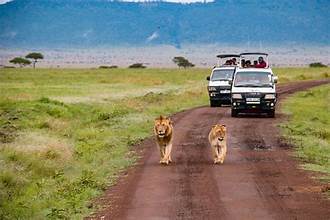

Best Time to Visit Masai Mara
Best Time to Visit Masai Mara: Complete Month-by-Month Travel Guide
The Masai Mara is one of Africa’s most famous safari destinations. Located in southwestern Kenya, the reserve offers exceptional wildlife viewing throughout the year.
The best time to visit Masai Mara depends on your interests, budget, and preferred safari experience. The reserve supports abundant resident wildlife throughout the year, while the Great Wildebeest Migration adds another spectacular dimension between July and October.
The dry season generally provides excellent game viewing because animals become easier to spot around water sources. However, the wetter months create greener landscapes, fewer visitors, and excellent birdwatching opportunities.
Understanding the Masai Mara weather and wildlife patterns by month can help you choose the perfect travel period.
When Is the Best Time to Visit Masai Mara?
For many travelers, July to October represents the best overall period to visit the Masai Mara. These months offer dry conditions and opportunities to see large numbers of wildebeest arriving from Tanzania.
August and September can provide some of the best opportunities for witnessing dramatic Mara River crossings. However, crossings remain unpredictable and depend on herd movements and weather conditions.
January and February also provide excellent wildlife viewing. These months generally offer dry conditions, fewer migration crowds, and good opportunities to see resident wildlife.
If you want lower prices and fewer visitors, consider the rainy periods around April, May, and November.
Masai Mara Weather and Safari Seasons
The Masai Mara experiences relatively moderate temperatures because of its elevation. Daytime conditions often feel warm, while early mornings and evenings can become cool.
The main dry periods generally occur from June to October and around January to February.
The main rainy periods usually occur from March to May and during November and December.
Rainfall patterns can change from year to year. Some rainy months can experience long sunny periods, while dry months can still receive occasional showers.
Best Time to Visit Masai Mara for Wildlife Viewing
The dry season generally provides excellent wildlife viewing.
As water becomes less available across the plains, animals often gather around rivers, streams, and remaining water sources. Shorter grass can also make animals easier to spot.
Lions, leopards, cheetahs, elephants, buffaloes, giraffes, zebras, and many antelope species remain active throughout the year.
You do not need to visit during the migration to experience excellent wildlife viewing. The Masai Mara has a strong population of resident animals.
Masai Mara in January
January usually offers favorable safari conditions.
The weather can remain relatively dry, making game drives comfortable. The vegetation may remain green after earlier rains.
Resident wildlife remains abundant. You can search for lions, leopards, cheetahs, elephants, buffaloes, giraffes, and large herds of herbivores.
January can provide a quieter safari experience than the peak migration period.
It also works well for travelers combining the Masai Mara with Amboseli National Park or other Kenyan destinations.
Masai Mara in February
February generally continues the dry period.
Wildlife viewing can be excellent, especially during early morning and late afternoon game drives. Predators often remain active during cooler parts of the day.
The Mara’s resident wildlife makes February an excellent month even though the Great Migration has not yet arrived.
Photographers can benefit from relatively clear conditions and good visibility across the open grasslands.
Masai Mara in March
March marks the beginning of a wetter period.
Rainfall can increase, although the month can still provide plenty of dry weather between showers.
The landscape begins becoming greener. Fresh vegetation provides food for herbivores and creates attractive scenery.
March can suit travelers who want fewer visitors and do not mind occasional rain.
Masai Mara in April
April usually receives significant rainfall.
The reserve becomes lush and green, creating beautiful photographic conditions. Wildflowers and fresh vegetation can transform the landscape.
Rain can make some tracks muddy. However, safari vehicles can still access many areas.
April usually attracts fewer visitors than the peak dry season. This can provide a more peaceful safari experience.
Travelers looking for lower-season rates can also find better accommodation availability during this period.
Masai Mara in May
May remains part of the wetter season.
The reserve continues to look green and vibrant. Wildlife remains abundant despite the rain.
Some roads can become challenging after heavy showers. Experienced drivers understand the terrain and can adjust routes according to conditions.
May can provide good value for travelers who prefer fewer crowds.
Birdwatching can also become particularly rewarding because many bird species remain active during the rainy period.
Masai Mara in June
June marks the beginning of the main dry season.
Rainfall usually decreases, while wildlife viewing conditions improve.
Grass can remain relatively green early in the month. As the dry season continues, animals become increasingly concentrated around available water sources.
June provides a good opportunity to visit before the major migration crowds arrive.
The month can therefore offer an excellent combination of favorable weather and relatively manageable visitor numbers.
Masai Mara in July
July marks the beginning of the major migration period in Kenya.
Large herds of wildebeest begin arriving from Tanzania’s Serengeti. The exact timing depends on rainfall and herd movements.
The Masai Mara also provides excellent resident wildlife viewing during July.
Safari demand begins increasing significantly. Accommodation near popular areas can fill quickly.
If you want to travel in July, booking several months in advance is strongly recommended.
Masai Mara in August
August is one of the most popular months to visit the Masai Mara.
Large numbers of wildebeest can gather in the Mara ecosystem. Some herds may cross the Mara River during this period.
The river crossings can create spectacular wildlife scenes involving crocodiles, predators, and large concentrations of wildebeest.
However, crossings remain unpredictable. You may spend several hours waiting before a herd decides to cross.
August also provides excellent opportunities to see resident predators and other wildlife.
Masai Mara in September
September can provide excellent migration viewing.
Some wildebeest remain in the Masai Mara while others begin moving back toward Tanzania. River crossings can still occur.
The weather generally remains dry, creating good conditions for game drives.
September can provide a strong combination of migration activity and excellent general wildlife viewing.
Visitor numbers can remain high, particularly around popular river-crossing areas.
Masai Mara in October
October marks the later part of the main migration season.
Some herds may remain in the Mara while others begin their journey south. The exact timing depends on rainfall.
The weather generally remains favorable for game drives.
October can provide excellent wildlife viewing with potentially fewer visitors than August and September.
It can also work well for travelers seeking a broader Kenya safari beyond the migration.
Masai Mara in November
November brings the short rains.
The landscape begins becoming greener as rainfall refreshes vegetation.
Many wildebeest have already moved toward Tanzania, but resident wildlife remains abundant.
November can provide quieter game drives and attractive travel rates.
Birdwatching also becomes rewarding during this period.
Masai Mara in December
December can provide a combination of green landscapes and generally comfortable safari conditions.
Rain showers may occur, but many days can still provide excellent game drives.
Resident wildlife remains throughout the reserve.
December can become busy around Christmas and New Year. Early booking helps secure preferred accommodation and safari dates.
Best Time to See the Wildebeest Migration in Masai Mara
The main migration period in the Masai Mara generally falls between July and October.
August and September often provide some of the best opportunities to see large herds and potential Mara River crossings.
However, the migration does not follow an exact calendar. Rainfall in the Serengeti and Masai Mara influences when the animals arrive and depart.
A river crossing cannot be guaranteed on a specific date. Wildlife movements remain entirely natural.
Travelers should therefore focus on the overall migration experience rather than expecting a particular crossing.
Best Time for a Big Five Safari in Masai Mara
You can see the Big Five throughout the year.
The dry season can make wildlife easier to locate because animals often gather around water sources.
The Masai Mara has strong populations of lions, leopards, elephants, and buffaloes. Rhinos are less common but can be found in certain areas and nearby conservancies.
The best time depends on your overall safari itinerary rather than the presence of wildlife alone.
Best Time for Photography in Masai Mara
Photography conditions can be excellent during both dry and wet periods.
Dry-season months generally provide clearer conditions and easier wildlife visibility. Shorter grass can also make animals easier to photograph.
The wet season provides lush landscapes and dramatic skies. Green vegetation can create beautiful backgrounds for wildlife photography.
Golden-hour game drives during early morning and late afternoon provide some of the best natural light.
Best Time for a Luxury Safari in Masai Mara
The Masai Mara offers a wide range of high-end safari camps and lodges.
July through October can provide exceptional wildlife experiences but usually brings higher demand.
January and February can provide another excellent period for travelers seeking dry conditions.
April, May, and November can offer more accommodation availability and potentially better rates.
Private conservancies surrounding the reserve can also provide exclusive experiences. These areas often offer fewer vehicles and additional activities such as guided walks and night drives.
Is the Masai Mara Worth Visiting During the Rainy Season?
Yes. The rainy season can provide an entirely different safari experience.
The landscape becomes lush and green. Wildlife remains abundant, while fewer tourists can create a quieter atmosphere.
Photography can become particularly rewarding because the green scenery contrasts beautifully with wildlife.
The main challenge involves muddy roads. Some tracks can become difficult after heavy rainfall.
An experienced safari operator can adapt the itinerary according to weather conditions.
How Many Days Do You Need in Masai Mara?
A minimum of three nights allows you to experience the reserve properly.
Three nights provide several opportunities for morning and afternoon game drives. You can explore different areas rather than rushing through the reserve.
Four or five nights allow greater flexibility. This can become particularly valuable during the migration because you have more time to wait for wildlife activity.
If you combine the Mara with other Kenyan destinations, three nights can provide a good balance.
What Should You Pack for Masai Mara?
Pack lightweight clothing for warm afternoons and warmer layers for early morning game drives.
A fleece jacket or sweater can become useful before sunrise. Comfortable walking shoes, sunglasses, sunscreen, and a hat are also important.
Bring binoculars for distant wildlife viewing. A camera with a suitable zoom lens can help capture animals without disturbing them.
A lightweight rain jacket remains useful during wetter months.
Plan Your Masai Mara Safari
Choose July to October if you want the best opportunity to experience the Great Wildebeest Migration. August and September are particularly popular for potential Mara River crossings.
Choose January and February for excellent resident wildlife viewing, generally dry conditions, and fewer migration crowds.
Consider April, May, or November if you want greener scenery, fewer visitors, and potentially lower safari costs.
The Masai Mara remains a year-round safari destination. Its resident wildlife ensures rewarding game viewing even when the migrating herds are elsewhere.
With the right travel dates, accommodation, and safari guide, the Masai Mara can deliver an unforgettable African wildlife experience.