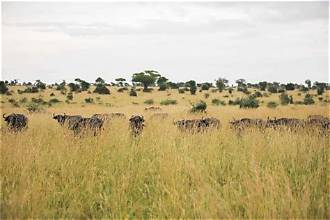

Uganda Safari Weather by Month
Uganda Safari Weather by Month: Complete Travel Guide
Uganda offers year-round safari experiences across diverse landscapes. You can explore savanna parks, tropical forests, wetlands, mountains, and lakes during the same trip.
However, Uganda safari weather by month can influence road conditions, wildlife viewing, trekking, and overall comfort. Understanding the weather helps you choose the right time for your safari.
Uganda sits near the equator. Therefore, temperatures remain relatively warm throughout the year. However, rainfall varies between regions and seasons.
The best time for a Uganda safari often falls during the drier months. June to September and December to February usually offer favorable conditions.
Uganda Weather and Safari Seasons
Uganda generally experiences two dry seasons and two rainy periods. The main dry season runs from June to September. The shorter dry season usually occurs from December to February.
The main rainy season runs from March to May. A shorter rainy period usually occurs from October to November.
These patterns vary between regions. Mountain parks, western Uganda, northern Uganda, and eastern Uganda can experience different rainfall levels.
Uganda also has relatively moderate temperatures because of its elevation.
Uganda Safari Weather in January
January usually offers warm and relatively dry conditions across many safari destinations.
Temperatures often feel comfortable during early morning and evening game drives. Afternoons can become warm, especially in lower-altitude savanna areas.
January works well for visiting Queen Elizabeth National Park, Murchison Falls National Park, and Kidepo Valley National Park.
It also provides good conditions for gorilla and chimpanzee trekking. Carry light clothing for daytime activities and a warm layer for early morning drives.
Uganda Safari Weather in February
February remains part of Uganda’s shorter dry season. Rainfall can occur, but many regions experience relatively manageable conditions. Roads often remain suitable for safari activities.
Wildlife can become easier to locate around water sources as dry conditions continue. February provides an excellent period for combining wildlife viewing with primate experiences.
You can visit Kibale National Park for chimpanzee trekking before continuing to Queen Elizabeth or Bwindi.
Uganda Safari Weather in March
March marks the beginning of the main rainy season. Rainfall usually increases across many parts of Uganda. However, showers often occur intermittently rather than throughout the entire day.
The vegetation becomes greener as rainfall increases. This creates beautiful landscapes for photographers. Roads can become muddy in some safari destinations. A reliable four-wheel-drive safari vehicle becomes particularly important.
March can also provide fewer visitors compared with the peak dry season.
Uganda Safari Weather in April
April typically brings significant rainfall. Safari roads can become muddy, especially in areas with poor drainage. Some routes may take longer to navigate after heavy rain.
However, the landscapes become exceptionally green. Birdwatching can also become rewarding during this period. Gorilla and chimpanzee trekking continue throughout the month. Travelers should carry waterproof clothing and sturdy footwear.
April suits travelers who prioritize lush scenery and fewer crowds.
Uganda Safari Weather in May
May remains part of the main rainy season. Rainfall can continue across many regions. However, you can still enjoy periods of sunshine during safari days.
The countryside looks lush and vibrant. Photography can benefit from green vegetation and dramatic skies. Safari vehicles can still access most destinations, although some roads require careful driving.
May can provide good value for flexible travelers who do not mind occasional rain.
Uganda Safari Weather in June
June begins Uganda’s main dry season. Rainfall generally decreases, creating better conditions for game drives and road transfers.
Wildlife can become easier to observe as vegetation begins drying in some savanna areas. Water sources can also become increasingly important to animals.
June marks the beginning of a busy travel period. Book popular lodges, permits, and safari services early.
Uganda Safari Weather in July
July often provides excellent safari conditions.
Rainfall usually remains low across many parts of Uganda. Roads become easier to navigate, and game drives can become more comfortable.
Wildlife viewing can become rewarding in Queen Elizabeth, Murchison Falls, and Kidepo Valley national parks. July also remains one of the most popular months for gorilla trekking.
Early morning temperatures can feel cool. Carry a warm fleece or jacket for morning game drives.
Uganda Safari Weather in August
August continues the dry season.
Many safari destinations experience relatively low rainfall. This creates favorable conditions for wildlife viewing and long-distance road travel.
August also provides good conditions for gorilla trekking in Bwindi and Mgahinga. The month attracts many international visitors. Therefore, early booking remains important.
Uganda Safari Weather in September
September generally provides good safari conditions.
The weather remains relatively dry in many regions. However, rainfall can gradually increase toward the end of the month.
Wildlife viewing remains rewarding. Vegetation can become thinner in some savanna parks, making animals easier to spot.
September can provide a good balance between favorable weather and manageable visitor numbers.
Uganda Safari Weather in October
October marks the beginning of another rainy period.
Rainfall usually increases across many parts of Uganda. However, showers may remain short and intermittent.
The landscape becomes greener. Birdwatching can also become especially interesting during this period.
Some roads can become muddy. Safari drivers should monitor weather conditions and select suitable routes.
Uganda Safari Weather in November
November usually receives significant rainfall. The countryside becomes lush and green. Wildlife remains active, and birdlife can become particularly rewarding.
Rain can affect road conditions, especially on unpaved tracks.
Travelers should pack waterproof clothing and remain flexible with daily schedules. November can suit visitors who prefer fewer crowds and vibrant scenery.
Uganda Safari Weather in December
December begins the shorter dry season. Rainfall often decreases compared with October and November. However, occasional showers remain possible.
December provides good conditions for wildlife viewing and gorilla trekking. The Christmas and New Year period can become busy. Reserve accommodation and permits well ahead of your travel dates.
Uganda Safari Weather by Month at a Glance
January: Generally dry and warm, with good safari conditions.
February: Dry conditions continue, with warm afternoons.
March: Rainfall begins increasing and landscapes become greener.
April: Wetter conditions and muddy roads can occur.
May: Rainy season continues, with lush landscapes.
June: Main dry season begins with improving safari conditions.
July: Dry conditions and excellent wildlife viewing opportunities.
August: Generally dry with good conditions across many parks.
September: Mostly favorable conditions, with rainfall potentially increasing later.
October: Rainy season begins, creating greener landscapes.
November: Wet conditions and excellent birdwatching opportunities.
December: Short dry season begins, with good safari conditions.
Best Months for a Uganda Safari
For many travelers, June through September provides the best overall safari conditions.
The weather generally remains drier, and roads become easier to navigate. Wildlife viewing can also become more predictable in several savanna parks.
December through February provides another favorable period.
However, the best month depends on your safari goals. Gorilla trekking, chimpanzee trekking, birdwatching, and classic wildlife viewing can each have different seasonal advantages.
Best Weather for Gorilla Trekking in Uganda
Gorilla trekking remains available throughout the year.
The drier months from June to September and December to February can provide easier trail conditions.
However, Bwindi Impenetrable National Park remains a rainforest. Rain can therefore occur even during the dry season.
Travelers should always carry rain protection.
If you prefer lush scenery and fewer visitors, the wetter months can also provide rewarding trekking experiences.
Best Weather for Chimpanzee Trekking
Kibale National Park offers chimpanzee trekking throughout the year. Dry months often provide easier trail conditions. However, wet conditions can also create lush forest scenery.
Chimpanzees remain active regardless of the season. Rangers track their movements and guide visitors to their locations. The best choice depends on your preferred combination of weather, crowds, and safari activities.
Best Weather for Wildlife Safaris
June to September often provides excellent conditions for traditional wildlife safaris.
Dry weather can make roads easier to navigate. Wildlife may also concentrate around remaining water sources.
Queen Elizabeth National Park, Murchison Falls National Park, and Kidepo Valley National Park can all provide rewarding experiences.
However, Uganda’s wildlife remains present throughout the year.
The wet seasons create beautiful landscapes and can provide excellent birdwatching.
Uganda Weather by Region
Uganda’s weather differs between destinations.
Murchison Falls National Park can experience warmer temperatures because of its lower elevation. Dry-season conditions can create excellent wildlife viewing.
Queen Elizabeth National Park experiences a warm climate with rainfall throughout the year. The dry seasons usually provide easier road conditions.
Bwindi Impenetrable National Park receives substantial rainfall because of its rainforest environment. You should expect possible rain during every month.
Kibale National Park also has a tropical forest climate. Wet conditions can occur even during traditionally drier months.
Kidepo Valley National Park has a more semi-arid climate. The dry season can become noticeably hotter and drier than western Uganda.
What Should You Pack for Uganda’s Weather?
Your packing list should reflect Uganda’s changing conditions.
Bring lightweight clothing for warm days and a warm jacket for early mornings and evenings.
Pack a waterproof jacket regardless of your travel month. Waterproof shoes can also help during forest activities.
For gorilla and chimpanzee trekking, carry sturdy hiking boots, long trousers, gardening gloves, and extra socks.
For savanna safaris, neutral-colored clothing, sunglasses, sunscreen, and a hat can improve comfort.
Does Rain Ruin a Uganda Safari?
Rain does not necessarily ruin a Uganda safari.
Rain can create temporary road challenges. However, it also refreshes landscapes and creates excellent photographic opportunities.
Many animals remain active during light rainfall. Some wildlife may even become more active after a shower.
The key involves planning with experienced guides and using appropriate safari vehicles.
Flexible travelers can enjoy Uganda during every season.
When Is Uganda’s Peak Safari Season?
The main peak period generally occurs during the drier months, especially June through September.
December and January can also become busy because of holiday travel.
Accommodation and gorilla permits can become limited during popular periods.
If you plan to travel during July, August, December, or January, booking several months ahead is advisable.
Plan Your Uganda Safari Around the Weather
Understanding Uganda safari weather by month helps you create a more comfortable itinerary.
June through September often provides the most reliable dry-season conditions. December through February offers another favorable period.
March to May and October to November bring more rainfall. However, these months can provide lush landscapes, fewer visitors, and excellent birdwatching.
Uganda remains a year-round safari destination. The country offers wildlife, forests, mountains, lakes, and cultural experiences in every season.
Choose your travel month according to the experiences you value most. Then build your itinerary around the weather patterns of each destination.