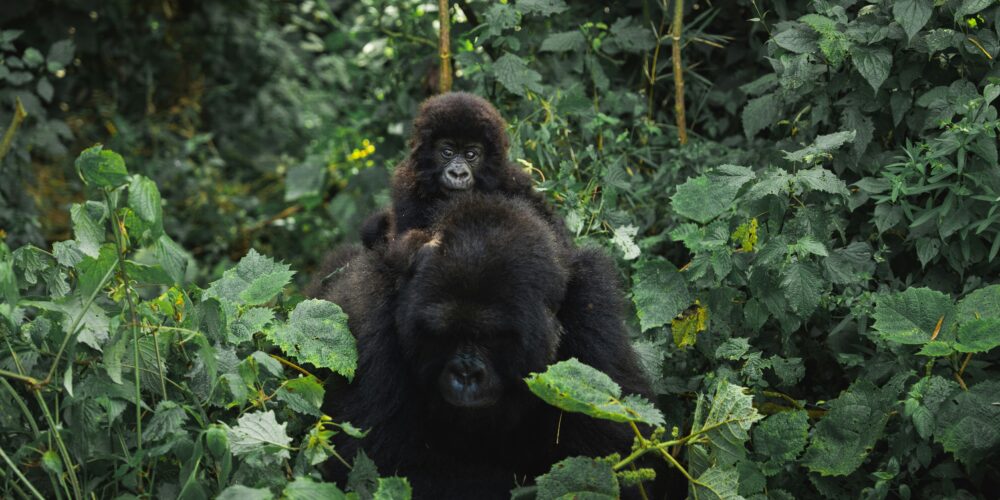

Wet Season Gorilla Trekking Tips
Wet Season Gorilla Trekking Tips: How to Trek in Uganda and Rwanda
Gorilla trekking offers an unforgettable opportunity to enter the natural world of mountain gorillas. Uganda and Rwanda provide year-round trekking experiences in protected mountain forests.
Many travelers prefer the dry season because trails usually become easier to navigate. However, wet season gorilla trekking can offer a beautiful and rewarding experience.
Rain brings lush vegetation, fresh forest scenery, and fewer visitors. With the right preparation, you can enjoy your trek even when the trails become muddy.
This guide shares practical wet season gorilla trekking tips for travelers visiting Uganda and Rwanda.
When Is the Wet Season for Gorilla Trekking?
Uganda and Rwanda generally experience two main rainy periods.
The longer rainy season usually occurs from March to May. Another wetter period generally occurs from October to November.
Weather patterns can vary each year. Mountain and rainforest areas can also receive rain outside these periods.
Bwindi Impenetrable National Park receives rainfall throughout the year. Volcanoes National Park also experiences changing mountain weather.
Therefore, you should always prepare for rain regardless of your travel month.
Is Wet Season Gorilla Trekking Worth It?
Yes. Wet season trekking can provide an excellent gorilla experience.
The forests become lush and vibrant. Rain also refreshes vegetation and creates beautiful photography conditions.
Fewer travelers may visit during the wetter months. This can create a quieter atmosphere around the trekking areas.
Gorilla families continue their normal activities during rainy weather. Rangers and trackers also continue their work throughout the year.
The main difference involves trail conditions. Mud, slippery slopes, and wet vegetation can make hiking more demanding.
Wet Season Gorilla Trekking in Uganda
Uganda offers gorilla trekking in Bwindi Impenetrable National Park and Mgahinga Gorilla National Park.
Bwindi contains several trekking sectors. These include Buhoma, Ruhija, Rushaga, and Nkuringo.
Rain can make Bwindi’s steep trails slippery. However, the dense forest becomes exceptionally green during wet months.
Mgahinga also offers challenging terrain. Proper footwear and rain protection become essential during wet-season treks.
Uganda’s wet season can suit travelers who want a quieter forest experience.
Wet Season Gorilla Trekking in Rwanda
Rwanda offers gorilla trekking in Volcanoes National Park.
The park sits within the Virunga Mountains. Its high elevation creates cool temperatures and rapidly changing weather.
Rain can make volcanic trails muddy and slippery. Some routes also involve steep climbs.
However, wet weather creates beautiful mountain scenery. Clouds can surround the volcanoes and create dramatic photographic backgrounds.
Travelers should therefore prepare for both rain and changing temperatures.
Wet Season Gorilla Trekking in March
March marks the beginning of the main rainy period in Uganda and Rwanda.
Rainfall can increase as the month progresses. Trails may become wetter and more challenging.
However, March can still provide excellent gorilla encounters. The forest remains lush, and visitor numbers can be lower.
Carry waterproof clothing and sturdy boots if you plan to trek during March.
Wet Season Gorilla Trekking in April
April often brings heavy rainfall across Uganda and Rwanda.
Trails can become muddy and slippery. Some sections may require careful walking and additional physical effort.
However, experienced hikers can still enjoy rewarding treks. Rangers understand the terrain and guide visitors through changing conditions.
April also offers beautiful green landscapes. Photographers can capture dramatic forest scenes after rainfall.
Wet Season Gorilla Trekking in May
May remains part of the wetter season. Rain can occur frequently, although weather patterns can vary.
The forest becomes exceptionally green. This creates a beautiful environment for gorilla trekking.
You should wear waterproof hiking boots and carry a rain jacket. Protect your camera and other electronics with waterproof bags.
May can suit travelers who prefer fewer visitors and do not mind wet trails.
Wet Season Gorilla Trekking in October
October marks the beginning of another rainy period.
Rainfall can become more frequent in Uganda and Rwanda. Trails can therefore become muddy and slippery.
However, October often provides excellent forest scenery. The vegetation remains lush, and mountain landscapes look dramatic.
A good rain jacket and waterproof backpack cover can make your trek more comfortable.
Wet Season Gorilla Trekking in November
November can bring substantial rainfall. Showers may occur during different parts of the day.
Despite the rain, gorilla trekking continues normally. Rangers and trackers monitor gorilla families throughout the year.
November can provide a quieter experience because fewer tourists travel during the wetter period.
Travelers should prepare for muddy trails and wet vegetation.
Wear Waterproof Hiking Boots
Good footwear ranks among the most important wet season gorilla trekking tips.
Choose waterproof hiking boots with strong ankle support. Your boots should also have deep, durable traction.
Avoid ordinary sneakers. They can become soaked and provide poor grip on muddy slopes.
Break in your boots before your safari. New boots can cause blisters during long hikes.
Carry extra socks in a waterproof bag. Changing wet socks can improve comfort during longer treks.
Carry a Reliable Rain Jacket
A lightweight waterproof rain jacket should remain in your daypack.
Choose a jacket that allows movement while protecting you from heavy showers. A breathable design can also reduce discomfort during steep climbs.
Avoid relying on an umbrella. Dense vegetation and steep terrain make umbrellas impractical during gorilla trekking.
A waterproof jacket provides better protection while keeping both hands available for walking.
Protect Your Camera and Electronics
Rain can damage cameras, smartphones, and other electronic equipment. Use waterproof dry bags or protective covers. Keep spare batteries inside waterproof storage.
A rain cover for your camera can help you continue photographing during light showers. Do not wait until the rain starts. Protect your equipment before entering the forest.
Wear Long Trousers
Long trousers protect your legs from vegetation, insects, and muddy conditions. Choose lightweight hiking trousers that dry relatively quickly. Avoid heavy cotton clothing because it can remain wet for a long time.
You can also wear gaiters over your boots. They help prevent mud and water from entering your footwear. Long sleeves provide additional protection from vegetation and insects.
Carry Gardening Gloves
Gardening gloves may seem unusual, but they provide useful protection.
You may need to hold vegetation for balance on steep sections. Gloves protect your hands from thorns, branches, and rough plants.
Choose lightweight gloves that provide a good grip. Waterproof options can work particularly well during rainy periods.
Use a Walking Stick
A walking stick can provide valuable support on slippery trails.
You can use it to maintain balance while climbing or descending steep slopes. Rangers can often provide walking sticks during the trek.
You should use the stick carefully. Avoid damaging vegetation while moving through the forest.
Protect Your Backpack
Use a waterproof backpack cover during your trek.
Even if your backpack claims to resist water, heavy rain can eventually penetrate the fabric.
Keep important items inside waterproof bags. Protect your passport, phone, camera, money, and other sensitive belongings.
Organize your backpack so you can quickly access your rain gear.
Prepare for Muddy Trails
Wet-season trails can become muddy. Some sections may require careful movement.
Walk slowly and follow your ranger’s instructions. Avoid rushing downhill on slippery terrain.
Use tree roots and stable ground carefully when climbing. Your walking stick can provide additional balance.
Good physical preparation can also improve your experience.
Prepare Physically Before Your Trek
Gorilla trekking can involve several hours of hiking. The exact duration depends on gorilla movements and terrain.
You may climb steep hills or walk through dense vegetation. Wet weather can increase the physical demands.
Start preparing several weeks before your trip. Walking, hiking, stair climbing, and regular cardio can improve your endurance.
You do not need to become an athlete. However, basic fitness can make the trek more enjoyable.
What Are the Advantages of Wet Season Gorilla Trekking?
Wet-season trekking offers several benefits.
First, forests become lush and visually spectacular. Green vegetation creates excellent scenery.
Second, fewer travelers may visit during rainy months. You can therefore enjoy a quieter atmosphere.
Third, some travel arrangements may offer greater availability during less busy periods. This can make itinerary planning more flexible.
Finally, you experience the forest under different natural conditions. Rain becomes part of the adventure rather than a problem.
What Are the Disadvantages?
Wet weather can make trails difficult. Mud and slippery slopes can increase hiking time.
Rain can also affect photography. Low light and water droplets can make camera settings more challenging.
Road conditions can also become difficult in some areas. Your driver should use a suitable safari vehicle and understand local routes.
Despite these challenges, good preparation can reduce most problems.
Does Rain Affect Gorilla Sightings?
Rain does not stop gorilla trekking.
Gorillas remain in their natural habitat throughout the year. Rangers and trackers monitor their movements daily.
Your chances of seeing gorillas remain excellent during wet months.
The main challenge involves reaching the gorilla family. Wet terrain can make the journey more physically demanding.
Once you find the gorillas, the experience can become just as memorable as a dry-season encounter.
Wet Season Gorilla Trekking Packing List
Your essential gear should include waterproof hiking boots, a rain jacket, long trousers, gardening gloves, and extra socks.
Add a waterproof backpack cover and dry bags for electronics.
Carry drinking water, snacks, sunscreen, insect repellent, and a hat.
A walking stick can also provide useful support.
Keep your packing practical. You will carry your daypack through potentially steep and muddy terrain.
Should You Avoid Gorilla Trekking During Rainy Months?
You do not need to avoid rainy months.
Instead, choose the season according to your travel priorities. If you prefer drier trails, June through September often provides better conditions.
If you prefer fewer visitors and lush forest scenery, March to May or October to November can work well.
Gorilla trekking remains available throughout the year. Proper preparation matters more than avoiding every possibility of rain.
Plan Your Wet Season Gorilla Trekking Adventure
The wet season gorilla trekking tips in this guide can help you prepare for Uganda or Rwanda.
Bring waterproof clothing, strong hiking boots, gloves, extra socks, and protection for your electronics. Most importantly, prepare mentally for muddy trails and changing weather.
Rain does not reduce the magic of meeting mountain gorillas. In fact, it can make the forest feel even more wild and atmospheric.
Uganda’s Bwindi and Mgahinga forests and Rwanda’s Volcanoes National Park welcome trekkers throughout the year.
Choose your trekking date based on your preferred experience. Then prepare properly and embrace the forest, whatever the weather brings.