
Is Uganda Safe for Tourists?
Is Uganda Safe for Tourists? A Complete Travel Safety Guide
Uganda offers one of Africa’s most rewarding travel experiences. The country combines mountain gorillas, chimpanzees, savannah wildlife, dramatic landscapes, lakes, rivers, and vibrant cultures.
Many tourists visit Uganda safely every year. The country has established tourism routes, experienced guides, professional safari companies, and well-developed national parks.
However, travelers should understand the local safety situation before arriving. Uganda remains a large country with different conditions across cities, national parks, rural areas, and border regions.
With good planning and sensible precautions, you can enjoy Uganda with confidence. This guide explains what tourists should know before visiting the country.
Is Uganda Safe for Tourists?
Uganda is generally safe for tourists who follow sensible travel precautions. Popular tourism destinations receive visitors throughout the year, and local tourism businesses have extensive experience working with international travelers.
Most safari routes operate far from areas that experience occasional security concerns. Tour operators also monitor travel conditions and adjust itineraries when necessary.
The safest approach involves using reputable accommodation, reliable transportation, and experienced guides. These choices make it easier to navigate unfamiliar places and respond to unexpected situations.
Tourists should also stay informed about current conditions. Security situations can change, particularly near some international borders, so travelers should follow official travel advice.
Is Kampala Safe for Tourists?
Kampala offers a lively introduction to Uganda. The capital features restaurants, markets, cultural attractions, shopping centers, nightlife, and several comfortable hotels.
Many visitors explore Kampala without major problems. However, the city requires more awareness than Uganda’s safari destinations.
Petty theft can occur in crowded places. Travelers should keep phones, wallets, cameras, and other valuables secure when visiting busy markets or transport areas.
Avoid walking alone through unfamiliar neighborhoods at night. Instead, use a trusted taxi, ride-hailing service, or transportation arranged by your hotel.
Kampala also experiences heavy traffic. Allow extra time when traveling across the city, especially during morning and evening rush hours.
Is Entebbe Safe for Tourists?
Entebbe provides a calmer alternative to Kampala. The town sits beside Lake Victoria and hosts Uganda’s main international airport.
Many tourists spend their first or final night in Entebbe. The area has hotels, restaurants, gardens, beaches, and other attractions.
Entebbe generally offers a relaxed environment for visitors. However, you should still protect your belongings and avoid isolated areas after dark.
The town also provides convenient access to the airport. Many hotels can arrange airport transfers, which helps solo travelers and first-time visitors move around comfortably.
Safety During Uganda Safaris
Uganda’s national parks provide some of the country’s safest and most memorable tourism experiences. Professional guides lead most wildlife activities and understand animal behavior and park regulations.
Visitors should always follow their guide’s instructions during game drives. Never approach wild animals, leave the vehicle without permission, or attempt to feed wildlife.
Animals can behave unpredictably. Even apparently calm elephants, hippos, buffaloes, and primates require plenty of space.
Most safari vehicles also provide excellent viewing opportunities without getting dangerously close to animals. Your guide will position the vehicle appropriately while prioritizing safety.
Is Gorilla Trekking Safe in Uganda?
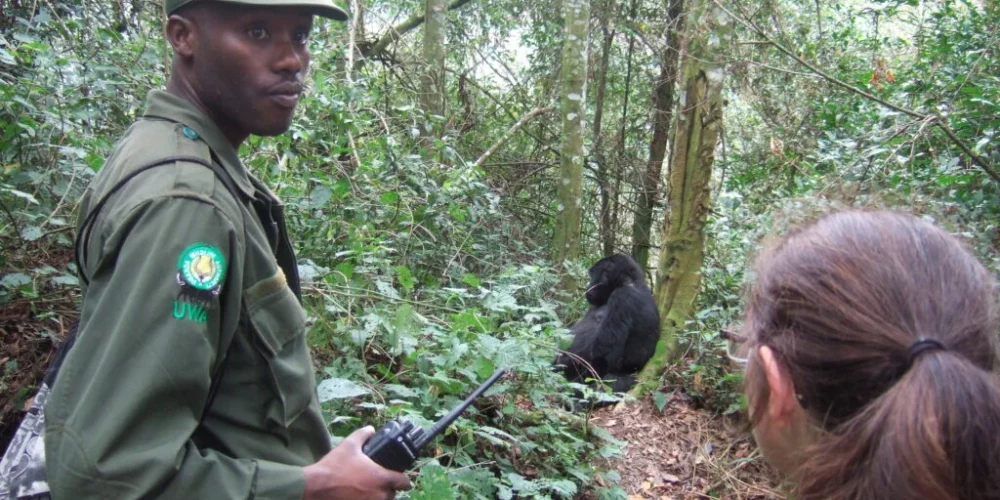
Gorilla trekking ranks among Uganda’s most popular tourism experiences. Visitors travel mainly to Bwindi Impenetrable National Park and Mgahinga Gorilla National Park for this remarkable adventure.
Park guides and trackers accompany every gorilla trekking group. They understand the forest, monitor gorilla movements, and explain the rules before the trek begins.
You must follow their instructions throughout the experience. Keep the recommended distance from the gorillas and avoid sudden movements or loud behavior.
The terrain presents a bigger challenge than the gorillas themselves. Bwindi contains steep slopes, dense vegetation, muddy trails, and uneven ground.
Wear strong hiking shoes and carry suitable rain protection. Hiring a porter can also make the trek easier, especially when the trail becomes steep.
Is Chimpanzee Trekking Safe in Uganda?
Uganda offers excellent chimpanzee trekking opportunities, particularly in Kibale National Park. The park supports one of Africa’s most important populations of wild chimpanzees.
Experienced guides lead visitors through the forest. They understand chimpanzee behavior and help tourists maintain appropriate distances.
Chimpanzees remain wild animals despite their similarities to humans. Visitors should never attempt to touch, feed, or approach them independently.
Kibale’s forest trails can become muddy during rainy periods. Proper footwear and comfortable hiking clothes will improve your experience.
Safety in Queen Elizabeth National Park
Queen Elizabeth National Park attracts visitors with lions, elephants, buffaloes, leopards, hippos, and numerous bird species. Game drives and boat trips provide popular ways to explore the park.
Always remain inside the safari vehicle unless your guide gives you permission to leave. Wild animals can move quickly and may approach vehicles unexpectedly.
The Kazinga Channel also requires careful behavior. Hippos and crocodiles live in the water and along the shoreline.
Boat safari operators understand these risks and follow established safety procedures. Listen carefully to the captain and guide throughout the trip.
Safety in Murchison Falls National Park
Murchison Falls National Park offers some of Uganda’s best wildlife experiences. Visitors can see elephants, giraffes, lions, buffaloes, hippos, crocodiles, and many other species.
Game drives normally take place with trained guides. They know the park’s roads and understand how animals behave in different situations.
The Nile River provides another major attraction. Boat trips to the base of Murchison Falls offer excellent wildlife and photography opportunities.
Remain seated and follow your guide’s instructions during the boat trip. Never lean over the edge or attempt to approach wildlife from the boat.
Is Uganda Safe for Solo Travelers?
Solo travelers can visit Uganda successfully with careful planning. Many independent visitors explore the country by joining guided activities or booking private tours.
A reputable tour operator can arrange accommodation, transportation, park activities, permits, and airport transfers. This approach reduces the challenges that come with navigating unfamiliar destinations alone.
Solo travelers should take extra care when moving around cities. Avoid accepting rides from strangers and use trusted transport providers.
You should also share your itinerary with someone you trust. Keep important contact information available in both digital and offline formats.
Is Uganda Safe for Female Tourists?
Women travel through Uganda every year for safaris, gorilla trekking, cultural experiences, and business. Many female travelers enjoy warm interactions with local communities.
However, female travelers should use the same precautions they would use in other unfamiliar destinations. Avoid walking alone in isolated places at night and choose reputable accommodation.
Dress respectfully when visiting rural communities and cultural sites. Uganda has diverse cultures, and modest clothing often helps visitors interact comfortably with local communities.
During trekking activities, professional guides and park staff provide additional support. You can also hire a porter to assist with your belongings.
Transport Safety in Uganda
Transportation requires careful planning, particularly for first-time visitors. Uganda has busy roads, long travel distances, and varying road conditions outside major towns.
Private safari vehicles offer one of the most convenient ways to explore the country. Experienced drivers understand the routes and can adjust journeys according to road conditions.
Public buses and minibuses provide affordable transportation between towns. However, travelers unfamiliar with Uganda may find them less convenient for complex itineraries.
Motorcycle taxis, commonly known as boda bodas, operate throughout many towns and cities. They offer quick transportation but carry greater road risk than private vehicles.
Tourists should use reputable transportation providers whenever possible. Your hotel or tour operator can recommend reliable options.
Road Travel and Driving in Uganda
Driving in Uganda requires patience and concentration. Traffic can become heavy around Kampala, Entebbe, and other major towns.
Rural roads can also include potholes, gravel sections, livestock, pedestrians, and motorcycles. Travel times may therefore take longer than expected.
Self-driving can work for experienced travelers who understand local road conditions. First-time visitors often find a professional driver more comfortable.
A driver-guide also adds valuable knowledge. They can explain local communities, wildlife, landscapes, and attractions while handling navigation.
Health and Medical Safety in Uganda
Travelers should prepare for health considerations before visiting Uganda. Speak with a qualified travel health professional about recommended vaccinations and preventive measures.
Malaria remains a concern in many parts of Uganda. Travelers should discuss appropriate prevention with their healthcare provider before departure.
Carry basic personal medication and a small travel first-aid kit. You should also maintain travel insurance that covers medical treatment and emergency evacuation.
Major cities offer better access to medical facilities than remote safari areas. Your tour operator should know where to find suitable medical support along your route.
Food and Water Safety
Food experiences form an important part of any Uganda trip. Restaurants and hotels serving international visitors generally provide a wide range of safe dining options.
Drink bottled, treated, or otherwise reliably purified water. Avoid drinking untreated water from rivers, lakes, or unknown sources.
Be careful with raw foods when eating outside established restaurants. Freshly prepared meals from reputable establishments offer a safer choice.
You can still enjoy local Ugandan dishes during your trip. Trying foods such as matoke, rolex, groundnut sauce, and grilled meats adds a valuable cultural element to your journey.
Is It Safe to Visit Uganda’s Border Areas?
Uganda shares borders with several countries, including Rwanda, Kenya, Tanzania, South Sudan, and the Democratic Republic of Congo.
Most major tourism routes operate away from areas that may experience security concerns. However, some border regions require additional caution.
Travelers should avoid entering restricted or unstable areas without professional guidance. Always check current travel advice before planning journeys near international borders.
Your tour operator can also provide practical information about current conditions. They can adjust routes if circumstances change.
Respecting Local Customs
Uganda has many ethnic communities with distinct languages, traditions, and cultural practices. Visitors usually receive warm welcomes when they show respect.
Ask before photographing people, homes, ceremonies, or cultural performances. Some communities may have specific expectations regarding photography.
Dress appropriately when visiting religious and cultural sites. Modest clothing generally works well outside major tourist centers.
A respectful attitude can improve your interactions with local communities. Simple greetings and polite conversation often create memorable connections.
How to Keep Your Belongings Safe
Tourists should take normal precautions with valuable items. Keep passports, cash, phones, cameras, and other important belongings secure.
Avoid displaying large amounts of cash in public. You should also keep expensive jewelry and unnecessary valuables at your accommodation.
Use hotel safes when available. Carry only the items you need for each day’s activities.
During safari drives, keep valuable equipment close to you. Never leave important belongings unattended inside an open vehicle.
Should You Book a Guided Uganda Safari?
A guided safari provides significant advantages for international visitors. Professional operators understand park regulations, road conditions, accommodation options, and local safety considerations.
A guide also helps you make the most of wildlife encounters. They can identify animals, explain behavior, and locate species that you might otherwise miss.
Guided travel becomes especially valuable for gorilla trekking and chimpanzee tracking. Park authorities require visitors to follow established procedures during these activities.
For many tourists, the combination of comfort and local expertise makes guided travel the easiest option.
Best Safety Tips for Tourists Visiting Uganda
Plan your route before arriving in Uganda. Understand your accommodation locations, transportation arrangements, and planned activities.
Use reputable tour operators and established accommodation. Check reviews and confirm important bookings before starting your journey.
Keep copies of your passport and travel documents. Store digital copies securely so you can access them if you lose the originals.
Avoid walking alone in unfamiliar areas at night. Use trusted transportation instead.
Follow your guide’s instructions during wildlife activities. Wild animals deserve respect, space, and careful observation.
Finally, remain aware without becoming anxious. Most tourists experience Uganda as a welcoming and rewarding destination.
Is Uganda Worth Visiting?
Uganda offers an extraordinary range of experiences within one country. You can track mountain gorillas in Bwindi, search for chimpanzees in Kibale, and watch lions across the savannah.
You can also explore the Nile, visit cultural communities, hike through forests, and relax beside Lake Victoria. Each region adds something different to the journey.
Safety concerns should not prevent you from experiencing Uganda. Good planning, reliable transportation, professional guides, and sensible personal precautions can make your trip comfortable.
Uganda rewards travelers who take time to understand the country. With the right preparation, you can explore its wildlife, landscapes, and cultures with confidence.
Plan Your Uganda Safari
Uganda remains one of Africa’s most exciting destinations for wildlife and adventure. Its combination of gorilla trekking, chimpanzee tracking, classic safaris, and cultural experiences creates a diverse travel experience.
The best way to enjoy the country involves planning around your interests and travel style. A professional local tour operator can help you select the right parks, accommodation, activities, and transportation.
Whether you travel alone, with a partner, or with family and friends, Uganda offers unforgettable experiences. Prepare well, follow local guidance, and give yourself time to enjoy the country’s remarkable landscapes and people.