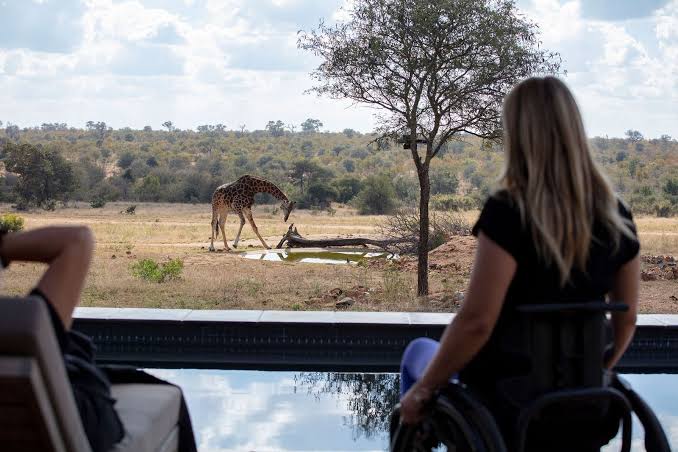

Wheelchair Accessible Safari Africa
Wheelchair-Accessible Safari Africa: A Complete Guide for Travelers
An African safari can create unforgettable memories for wheelchair users. Watching elephants cross the savannah, seeing lions resting beneath acacia trees, or cruising past hippos can provide extraordinary experiences.
However, wheelchair-accessible safari travel requires careful planning. Safari roads can become rough, lodges may have uneven pathways, and some activities involve steps or challenging terrain.
Fortunately, several African destinations offer safari experiences that work well for travelers who use wheelchairs. South Africa often provides the widest range of accessible facilities, while Botswana, Kenya, Tanzania, Rwanda, and Uganda can also accommodate wheelchair users with proper arrangements.
The most important step involves working with a safari operator who understands accessibility. A good operator can select suitable accommodation, vehicles, activities, and routes based on your specific mobility needs.
Is Africa Wheelchair Accessible for Safari?
Yes, wheelchair users can enjoy safaris in Africa. However, accessibility varies significantly between countries, national parks, lodges, and safari camps.
Some properties offer step-free rooms, accessible bathrooms, ramps, wider doorways, and adapted facilities. Others may sit in remote wilderness areas with sandy paths, steps, or raised wooden walkways.
Safari vehicles also vary. Some require passengers to climb steps, while others can accommodate wheelchair transfers or provide additional assistance.
Travelers should never rely only on the phrase “wheelchair accessible.” Ask specific questions about every part of the journey before making a booking.
What Makes a Safari Wheelchair Accessible?
A wheelchair-accessible safari needs to address more than accommodation. The entire journey should consider airport transfers, vehicles, lodges, activities, restaurants, bathrooms, and emergency arrangements.
Travelers should explain their specific requirements to the safari company. A manual wheelchair user may have different needs from someone using a powered wheelchair.
The size and weight of the wheelchair also matter. Safari vehicles have limited storage space, so your operator needs this information before confirming transportation.
You should also explain whether you can transfer from your wheelchair into a vehicle seat. This information helps the operator select the right vehicle and arrange suitable assistance.
Best African Destinations for Wheelchair-Accessible Safaris
Several African destinations can provide rewarding safari experiences for wheelchair users. South Africa usually offers the strongest combination of infrastructure, accessible accommodation, and wildlife viewing.
Botswana provides excellent luxury safari experiences with personalized service. Kenya and Tanzania offer established safari routes with many experienced operators.
Rwanda and Uganda provide accessible game drives and boat safaris in selected areas. However, activities such as gorilla trekking require significantly more physical planning.
Your ideal destination depends on your mobility requirements and the experiences you want to enjoy.
South Africa: One of the Best Choices
South Africa provides some of Africa’s strongest options for wheelchair-accessible safari travel. The country has developed tourism infrastructure and a broad selection of hotels and safari properties.
Kruger National Park provides excellent wildlife viewing opportunities. Private reserves surrounding the park also offer personalized experiences and high-quality accommodation.
Some safari properties provide accessible rooms, adapted bathrooms, ramps, and suitable pathways. Private game drives can also give wheelchair users greater flexibility.
South Africa also offers excellent options beyond safari. Travelers can combine Kruger with Cape Town, the Winelands, the Garden Route, or other accessible attractions.
Botswana: Accessible Luxury in the Wilderness
Botswana offers some of Africa’s most exclusive safari experiences. The Okavango Delta, Chobe National Park, and Moremi provide exceptional wildlife viewing.
Many luxury camps provide personalized service and can accommodate guests with mobility requirements. However, the remote nature of some camps creates additional accessibility considerations.
Sandy pathways and raised wooden walkways can make wheelchair movement difficult. Travelers should ask about the exact route from their room to the dining and activity areas.
Private safari vehicles can make game drives more comfortable. Travelers can also request flexible schedules and additional assistance.
Kenya: Wheelchair-Accessible Safari Experiences
Kenya provides excellent safari opportunities in the Maasai Mara, Amboseli, Tsavo, and other national parks.
The Maasai Mara works particularly well for travelers who want classic game viewing. You can search for lions, elephants, cheetahs, giraffes, zebras, and other wildlife from a safari vehicle.
Established safari lodges often have experience serving international visitors. However, accessibility varies between properties.
Private transportation offers greater flexibility. A suitable vehicle can provide enough space for a wheelchair and allow easier transfers.
Travelers should confirm accessibility details before booking. Ask about vehicle steps, room access, bathroom facilities, and the distance between accommodation and dining areas.
Tanzania: Wheelchair-Accessible Safari Options
Tanzania offers some of Africa’s most famous wildlife destinations. The Serengeti, Ngorongoro Crater, Tarangire, and Nyerere National Park provide excellent safari experiences.
Private game drives can work particularly well for wheelchair users. You can control the pace and return to your lodge whenever you need a rest.
The Ngorongoro Crater requires careful planning because some roads can become rough and steep. An experienced safari driver can help manage the route and choose suitable stops.
Accommodation also requires attention. Some safari camps use steps, uneven paths, or raised platforms.
Ask your operator to verify accessibility directly with each property. This approach helps ensure that the facilities match your needs.
Rwanda: Wheelchair-Accessible Safari and Wildlife
Rwanda offers a compact tourism experience with several accessible options. Kigali has modern hotels and facilities that can accommodate many travelers with mobility needs.
Akagera National Park provides the country’s strongest option for a wheelchair-friendly safari. Game drives require limited walking and allow visitors to observe wildlife from a vehicle.
Boat trips on Lake Ihema provide another accessible wildlife experience. Travelers can see hippos, crocodiles, elephants, birds, and other wildlife from the water.
Gorilla trekking presents a different challenge. The mountainous terrain around Volcanoes National Park can make the activity difficult for wheelchair users.
Travelers who want to attempt gorilla trekking should discuss their mobility needs with a specialist operator before booking.
Uganda: Wheelchair-Accessible Safari Experiences
Uganda provides diverse wildlife experiences for travelers with mobility challenges. Queen Elizabeth National Park, Murchison Falls National Park, and Lake Mburo National Park offer excellent game drives.
The Kazinga Channel boat safari provides another strong option. Travelers can observe hippos, crocodiles, elephants, and birds without needing to walk long distances.
Murchison Falls also offers boat experiences along the Nile. The water-based safari provides a different perspective of the wildlife and landscape.
Gorilla trekking in Bwindi requires much more preparation. Steep slopes, dense vegetation, mud, and uneven ground create significant accessibility challenges.
If gorilla trekking forms part of your dream safari, speak with an experienced operator before confirming your plans.
Wheelchair-Accessible Safari Vehicles
The safari vehicle can determine how comfortable your trip becomes. Standard vehicles often include steps, which may create difficulties for wheelchair users.
Some operators can arrange vehicles with additional space or modifications. Others can provide staff to assist with transfers.
Ask about the exact vehicle you will use. Confirm the step height, door width, seat arrangement, wheelchair storage, and transfer process.
If you use a powered wheelchair, provide its dimensions and weight before booking. This information helps the operator confirm whether the vehicle can safely accommodate it.
Wheelchair-Accessible Safari Lodges
Safari accommodation varies greatly in accessibility. Some properties offer excellent facilities, while others operate in remote wilderness locations with limited infrastructure.
Ask whether your room provides step-free access. You should also confirm the bathroom design, shower access, toilet height, doorway width, and available turning space.
Find out how you will reach the restaurant and common areas. A room may have an accessible entrance while other parts of the lodge remain difficult to reach.
Request recent photos or videos when possible. These can help you understand the property before arrival.
Wheelchair-Accessible Game Drives
Game drives represent one of the easiest safari activities for wheelchair users. You can remain in the vehicle while observing wildlife across the park.
A private game drive offers additional flexibility. Your guide can stop whenever you want and adjust the duration based on your comfort.
Long game drives may require suitable restroom planning. Discuss bathroom stops with your guide before leaving the lodge.
A knowledgeable guide can also position the vehicle for excellent viewing. This allows wheelchair users to enjoy photography and wildlife observation without unnecessary movement.
Wheelchair-Accessible Boat Safaris
Boat safaris can provide excellent wildlife experiences with limited walking. The experience works particularly well for travelers who want to see animals from the water.
The Kazinga Channel in Uganda offers outstanding opportunities to see hippos, crocodiles, elephants, and waterbirds. Lake Ihema in Rwanda provides another excellent option.
Some boats require passengers to step down into the vessel. Travelers should therefore confirm boarding arrangements before booking.
Ask whether staff can assist with boarding and whether the boat can accommodate a wheelchair. Your operator should verify these details in advance.
Can Wheelchair Users Go Gorilla Trekking?
Gorilla trekking presents significant physical challenges for wheelchair users. The forests of Uganda and Rwanda contain steep slopes, muddy trails, dense vegetation, and uneven ground.
Some travelers with limited mobility may complete the trek with extensive assistance. However, a wheelchair may not work on many sections of the forest terrain.
Specialized support can sometimes help. Porters and trekking teams may assist travelers, depending on their mobility and current trail conditions.
You should never assume that a successful trek will happen simply because support exists. Discuss your exact abilities with an experienced operator and obtain realistic information before booking.
Accessible Safari for Manual Wheelchair Users
Manual wheelchair users may find some safari activities easier because staff can assist with transfers and vehicle access.
A lightweight folding wheelchair can also simplify transportation. However, travelers should still confirm storage space in the safari vehicle.
Rough roads can create additional challenges. Carry appropriate equipment for maintaining your wheelchair during the trip.
You should also consider tire punctures, spare parts, and repair needs. Remote safari destinations may not have specialist wheelchair repair services.
Accessible Safari for Powered Wheelchair Users
Powered wheelchairs require additional planning because of their size, weight, and battery requirements.
Provide your wheelchair specifications before booking. Include its dimensions, weight, battery type, and any special transfer requirements.
Remote lodges may have limited electricity. Travelers should therefore discuss charging arrangements before arrival.
Carry appropriate charging equipment and backup solutions. Your safari operator should confirm whether each accommodation can support your power requirements.
Travel Insurance for Wheelchair Users
Travel insurance remains essential for an African safari. Remote national parks may sit far from major medical facilities.
Choose a policy that covers medical care, emergency evacuation, and other relevant travel risks. Review the terms carefully before purchasing.
Inform your insurer about your disability and any relevant medical conditions according to the policy requirements. This can prevent complications if you need assistance during the trip.
Keep your insurance information accessible throughout the safari. Your guide and travel companions should also know where to find emergency details.
Accessible Airport Transfers
The safari experience begins before you reach the national park. Airport transfers should accommodate your wheelchair and luggage comfortably.
Request an accessible vehicle or suitable assistance before arrival. Do not assume that every airport transfer vehicle can accommodate a wheelchair.
If you use a powered wheelchair, provide its dimensions and weight. This allows the transfer company to arrange the correct vehicle.
Your safari operator should coordinate airport assistance, hotel transfers, and safari transportation as one connected plan.
How to Choose an Accessible Safari Operator
Choose an operator with direct experience arranging accessible African safaris. Ask how many wheelchair users they have assisted and which destinations they know well.
Request specific answers rather than general promises. Ask about vehicle access, accommodation, bathrooms, pathways, activities, and emergency support.
A good operator should also ask you detailed questions. They need to understand your mobility level before recommending an itinerary.
Clear communication creates better results. Share photos or specifications of your wheelchair when necessary.
Tips for Planning a Wheelchair-Accessible Safari
Start planning several months before your trip. Accessible rooms and suitable vehicles can have limited availability.
Choose fewer destinations and spend more nights at each property. This reduces the number of difficult transfers and allows you to enjoy the safari at a comfortable pace.
Prioritize private transportation. A private vehicle gives you more control over the schedule and provides additional space.
Confirm every accessibility arrangement in writing. Keep copies of hotel confirmations, vehicle arrangements, and special requests.
Finally, prepare for unexpected conditions. Safari environments remain natural spaces, so weather and road conditions can change quickly.
Best Safari Activities for Wheelchair Users
Game drives usually provide the easiest wildlife experience. You can explore national parks without walking through difficult terrain.
Boat safaris also provide excellent opportunities. They allow travelers to observe aquatic wildlife and birds while enjoying a relaxing experience.
Scenic flights offer another exciting option. Travelers can enjoy spectacular views of forests, rivers, mountains, and savannahs from above.
Accessible cultural experiences can add depth to the safari. Families and couples can meet local communities, explore crafts, and learn about traditions.
Plan Your Wheelchair-Accessible African Safari
A wheelchair should not prevent you from experiencing Africa’s incredible wildlife. With careful planning, many safari destinations can provide comfortable and memorable experiences.
South Africa offers some of the continent’s strongest accessibility options. Botswana, Kenya, Tanzania, Rwanda, and Uganda can also work well when travelers choose suitable lodges, vehicles, and activities.
Game drives and boat safaris provide excellent opportunities for travelers who cannot walk long distances. Gorilla trekking requires more detailed planning and realistic assessment of physical ability.
The best accessible safari starts with honest communication. Tell your safari operator exactly what you need, ask detailed questions, and confirm arrangements before traveling.
With the right destination and professional support, you can enjoy Africa’s wildlife on your own terms. The roar of a lion, the sight of elephants at a waterhole, or a sunset across the savannah can become memories that last a lifetime.