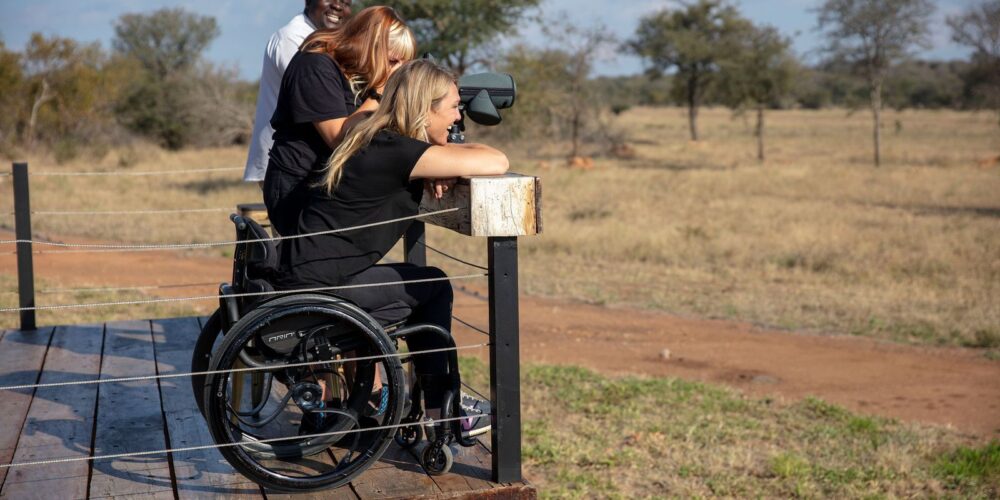

Safari for Travelers With Disabilities
Safari for Travelers With Disabilities: A Complete Guide to Accessible African Safaris
An African safari can offer an unforgettable experience for travelers with disabilities. From watching elephants cross the savannah to enjoying a sunset beside a remote waterhole, the continent provides remarkable opportunities for adventure and wildlife viewing.
However, safari travel can present accessibility challenges. Uneven terrain, remote lodges, long road journeys, limited medical facilities, and activities such as trekking require careful planning.
The good news is that more safari companies and lodges now accommodate travelers with different mobility, sensory, and other accessibility needs. The key involves choosing the right destination, accommodation, transportation, and activities.
With proper preparation, travelers with disabilities can enjoy a comfortable and rewarding African safari. This guide explains what to consider when planning an accessible safari across Africa.
Can Travelers With Disabilities Go on Safari?
Yes, travelers with disabilities can enjoy African safaris. However, the level of accessibility varies considerably between destinations, lodges, vehicles, and activities.
Traditional game drives often provide one of the easiest safari experiences for travelers with mobility challenges. Guests can remain inside a specially adapted or spacious safari vehicle while viewing wildlife.
Some safari lodges also offer accessible rooms, ramps, wider doorways, and adapted bathrooms. However, not every property provides these features, so travelers should confirm details before booking.
Travelers should communicate their specific needs clearly. Simply asking whether a lodge offers “accessible rooms” may not provide enough information.
What Makes a Safari Accessible?
Accessibility means different things to different travelers. A traveler who uses a wheelchair may need ramps, accessible bathrooms, and vehicle assistance.
Someone with limited mobility may need shorter walking distances and fewer stairs. Travelers with visual or hearing impairments may require different forms of support.
A good safari operator should ask about your specific requirements before designing the itinerary. This allows them to match you with suitable accommodation and activities.
Accessible travel also involves transportation. Vehicle entry, luggage handling, road conditions, transfer distances, and seating arrangements can all affect comfort.
Best Safari Destinations for Travelers With Disabilities
Several African destinations provide stronger accessibility options than others. South Africa often leads the continent because of its developed tourism infrastructure and wide range of accommodation.
Botswana also offers excellent opportunities for accessible luxury safaris. Many high-end camps provide private vehicles and personalized service.
Kenya and Tanzania offer extensive safari networks and many established lodges. Travelers can find suitable options with careful planning.
Rwanda and Uganda can also accommodate travelers with disabilities, especially for game drives and selected cultural experiences. However, activities such as gorilla trekking require much more physical preparation.
South Africa for Accessible Safaris
South Africa offers one of the easiest safari experiences for travelers with disabilities. The country has strong tourism infrastructure and many properties with accessibility features.
Kruger National Park provides excellent wildlife viewing opportunities. Travelers can combine the park with accessible experiences in Cape Town, the Garden Route, or other regions.
Private reserves around Kruger also offer personalized safari experiences. Some lodges can arrange accessible rooms, private vehicles, and additional assistance.
South Africa’s developed road network and medical infrastructure provide further advantages. These factors make the country a strong starting point for travelers planning their first accessible African safari.
Botswana for Travelers With Disabilities
Botswana offers exceptional wilderness experiences in places such as the Okavango Delta, Chobe National Park, and Moremi Game Reserve.
Luxury safari camps often provide personalized service. Guests can request private vehicles, flexible schedules, and assistance with transfers.
The Okavango Delta presents some unique accessibility considerations. Water-based activities and camp pathways may require additional planning.
Travelers should ask about boat access, vehicle transfers, room pathways, and bathroom facilities before booking. Detailed information helps prevent surprises after arrival.
Botswana works particularly well for travelers who value privacy and personalized service.
Kenya for Accessible Safari Travel
Kenya offers excellent safari opportunities in the Maasai Mara, Amboseli, Tsavo, and other wildlife areas.
The Maasai Mara provides particularly memorable game viewing. Travelers can watch lions, elephants, cheetahs, giraffes, zebras, and other animals from safari vehicles.
Many established safari lodges understand the needs of international guests. However, accessibility standards vary between properties.
Private safari vehicles can provide additional space and flexibility. Travelers can also adjust the length of game drives according to their comfort level.
Before booking, confirm the vehicle’s entry arrangements and whether the lodge can accommodate mobility equipment.
Tanzania for Accessible Safari Experiences
Tanzania offers some of Africa’s most famous safari destinations. The Serengeti, Ngorongoro Crater, Tarangire, and Nyerere National Park provide outstanding wildlife opportunities.
Safari vehicles can provide comfortable viewing without requiring extensive walking. Private tours also allow travelers to control their daily schedule.
The Ngorongoro Crater presents some road challenges because of steep and uneven routes. However, experienced safari drivers understand the terrain and can plan suitable routes.
Travelers should confirm accommodation accessibility before booking. Some lodges use raised walkways, steps, or uneven paths that may create difficulties for wheelchair users.
Rwanda for Travelers With Disabilities
Rwanda offers a compact and well-organized tourism experience. Kigali provides modern hotels and accessible facilities in many established properties.
Akagera National Park provides one of the country’s best options for accessible wildlife viewing. Travelers can enjoy game drives and boat safaris with appropriate planning.
Gorilla trekking presents a much greater physical challenge. The terrain around Volcanoes National Park and Bwindi can involve steep slopes, mud, dense vegetation, and uneven trails.
Travelers with mobility limitations should discuss their abilities with a specialist safari operator before considering gorilla trekking. In some cases, porters and specialized support can help, but the experience still requires significant physical effort.
Uganda for Travelers With Disabilities
Uganda provides exceptional wildlife experiences, including gorilla trekking, chimpanzee tracking, and traditional game drives.
Travelers with disabilities can enjoy several activities with proper arrangements. Queen Elizabeth National Park, Murchison Falls National Park, and Lake Mburo National Park offer game drives that require limited walking.
Boat safaris can also provide excellent wildlife viewing. The Kazinga Channel offers opportunities to see hippos, crocodiles, elephants, and many bird species from the water.
Gorilla trekking requires additional planning. Bwindi’s terrain can become extremely steep and muddy, making the trek difficult for many travelers with mobility limitations.
Discuss the trek honestly with your operator. They can assess your needs, recommend appropriate support, and explain the current conditions.
Gorilla Trekking With a Disability
Gorilla trekking represents one of Africa’s most remarkable wildlife experiences. However, the activity presents genuine accessibility challenges.
The forests can contain steep slopes, thick vegetation, narrow paths, mud, and slippery ground. Some trekking routes require considerable physical effort.
Travelers with disabilities should discuss their specific situation with the safari operator before booking a permit. The operator can coordinate with park authorities and local support teams where appropriate.
Porters can provide valuable assistance. They can carry equipment and help travelers navigate difficult sections, depending on the individual’s needs and the conditions on the day.
Some travelers may find the trek manageable with appropriate support. Others may benefit more from accessible wildlife experiences such as game drives and boat safaris.
Accessible Safari Vehicles
The safari vehicle plays an important role in an accessible trip. Standard safari vehicles may require guests to climb steps or transfer from a wheelchair.
Some operators use vehicles with modifications or equipment that makes boarding easier. Others can provide additional staff to assist with transfers.
Ask about the exact vehicle before booking. Request information about step height, seat configuration, wheelchair storage, vehicle entry, and available assistance.
A private vehicle usually offers the greatest flexibility. You can also request additional space for mobility equipment.
Wheelchair-Friendly Safari Lodges
Accessibility varies significantly between safari lodges. Some properties provide excellent accessible facilities, while others may use narrow paths, steps, and uneven ground.
Ask for specific information before booking. Find out whether the room has step-free access, an accessible bathroom, suitable shower facilities, and enough space for mobility equipment.
You should also ask about the distance between the room and dining area. Some camps require guests to walk along sandy paths or raised wooden walkways.
Photos and videos can help you understand the property. An experienced safari operator can also verify the facilities directly.
Safari for Travelers With Visual Impairments
Safari experiences can work well for travelers with visual impairments because wildlife viewing involves more than sight.
Professional guides can describe animal behavior, sounds, smells, landscapes, and environmental features. Some travelers find these sensory experiences particularly meaningful.
Walking safaris require additional consideration. Guides need to understand the traveler’s abilities and provide clear verbal instructions.
Audio descriptions can also enhance wildlife experiences. Travelers should communicate their preferences before arrival so guides can prepare accordingly.
Safari for Travelers With Hearing Impairments
Travelers with hearing impairments can enjoy game drives, boat trips, and lodge experiences with appropriate communication support.
Clear written instructions can help during safety briefings. Travelers can also use text-based communication when interacting with guides and lodge staff.
If you use hearing aids, protect them from rain, dust, and humidity. Carry spare batteries or charging equipment because remote safari camps may have limited supplies.
Inform your safari company about your communication needs before arrival. This allows them to select guides who can communicate effectively with you.
Safari for Travelers With Other Disabilities
Accessibility planning extends beyond mobility and sensory needs. Travelers may have dietary requirements, chronic conditions, or other considerations that affect their safari experience.
Remote safari destinations can have limited medical facilities. Travelers should therefore discuss their requirements with their doctor before departure.
Carry essential medication in your hand luggage. Bring enough supplies for the entire trip and keep important medical information easily accessible.
Travel insurance should also match your needs. Confirm that the policy provides appropriate medical coverage and emergency evacuation where necessary.
How to Plan an Accessible African Safari
Start planning early. Accessible rooms and suitable safari vehicles can have limited availability, especially during peak travel periods.
Choose a safari operator with experience handling accessible travel. Ask detailed questions rather than relying on general statements about accessibility.
Explain your needs clearly. Tell the operator about mobility equipment, walking limitations, transfer requirements, dietary needs, hearing or visual assistance, and other relevant considerations.
Request written confirmation of important arrangements. This provides a useful reference when you arrive at the destination.
Why Private Safaris Work Well for Travelers With Disabilities
Private safaris provide greater flexibility. You can determine your departure time, game drive duration, rest periods, and daily activities.
This flexibility can make a significant difference for travelers who need additional time or regular breaks.
Private vehicles also provide more space for mobility equipment. Your guide can adjust seating arrangements and help create a more comfortable experience.
You can also modify activities during the safari. If a particular excursion proves too demanding, your guide can recommend a more suitable alternative.
Travel Insurance and Medical Preparation
Travel insurance plays an important role in accessible safari planning. Remote parks may sit several hours from major medical centers.
Choose insurance that covers emergency treatment and evacuation. Review the policy carefully and disclose relevant medical information as required.
Carry a summary of important medical information. Include medication details, emergency contacts, and any information that medical professionals may need.
You should also discuss the itinerary with your healthcare provider. They can help you prepare for altitude, heat, long journeys, or physically demanding activities.
Best Accessible Safari Experiences
Game drives usually provide the easiest wildlife experience for travelers with disabilities. You can observe animals without walking long distances.
Boat safaris can also provide excellent opportunities. Lake and river excursions allow travelers to view hippos, crocodiles, elephants, and birds from the water.
Accessible cultural experiences provide another option. Visitors can meet local communities, explore crafts, enjoy traditional performances, and learn about local customs.
Scenic flights can also offer spectacular views without physical exertion. Travelers can see landscapes, rivers, forests, and wildlife from the air.
Tips for a Comfortable, Accessible Safari
Communicate your needs early and in detail. Do not assume that a property will understand your requirements from the word “accessible.”
Choose a private safari whenever possible. The flexibility can make your daily schedule much more comfortable.
Allow extra time for transfers and activities. A relaxed itinerary often provides a better experience than trying to visit too many destinations.
Pack essential medical and mobility equipment carefully. Carry important items with you rather than placing them in checked luggage whenever possible.
Finally, work with professionals who understand accessible safari travel. Their local knowledge can help you avoid unsuitable accommodation and difficult routes.
Plan Your Accessible African Safari
An African safari can welcome travelers with a wide range of abilities. The key involves careful destination selection, honest communication, suitable accommodation, and reliable local support.
South Africa often provides one of the easiest starting points for accessible safari travel. Botswana, Kenya, Tanzania, Rwanda, and Uganda can also offer rewarding experiences with the right planning.
Game drives and boat safaris provide excellent opportunities for travelers who cannot manage long walks. Travelers who want to attempt activities such as gorilla trekking should discuss their abilities with a specialist operator before booking.
Accessibility should never mean giving up adventure. With the right itinerary and experienced support, travelers with disabilities can experience Africa’s wildlife, landscapes, cultures, and unforgettable wilderness moments.