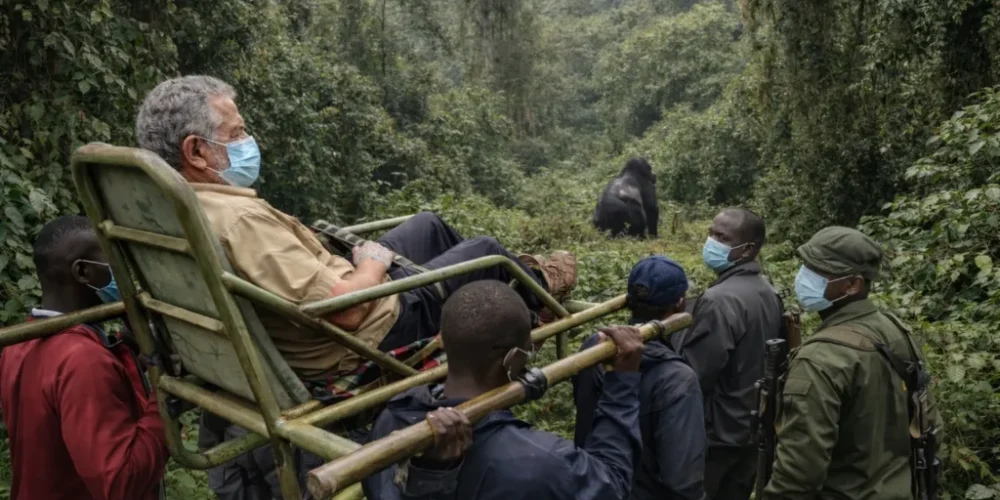

Senior-Friendly Gorilla Trekking
Senior-Friendly Gorilla Trekking: A Complete Guide for Older Travelers
Gorilla trekking offers one of Africa’s most extraordinary wildlife experiences. Standing close to a family of mountain gorillas in their natural forest habitat can create a powerful memory at any age.
Many older travelers wonder whether they can handle the physical demands of gorilla trekking. Age alone does not determine whether someone can trek successfully. Fitness, mobility, health, preparation, and the trekking route matter more.
Uganda and Rwanda welcome older travelers who meet the trekking requirements. Both countries set the minimum age at 15, but they do not set a general maximum age for gorilla trekking.
With careful preparation and the right support, many senior travelers can enjoy this remarkable experience. The key involves choosing suitable accommodation, preparing physically, using available assistance, and communicating your needs before the trek.
Can Seniors Go Gorilla Trekking?
Yes, seniors can go gorilla trekking in Uganda and Rwanda. There is no general upper age limit for gorilla trekking, provided the traveler can safely manage the activity.
The trek can involve steep slopes, uneven ground, thick vegetation, mud, and changing weather. Some gorilla families may also move several hours into the forest.
Older travelers should therefore assess their physical abilities honestly before booking. A conversation with a healthcare professional can also help determine whether the activity suits you.
A well-planned trek can reduce unnecessary difficulty. Your safari operator can help arrange suitable accommodation, transportation, porters, and trekking options.
What Is the Minimum Age for Gorilla Trekking?
The minimum age for gorilla trekking in Uganda and Rwanda is 15 years. Children younger than 15 cannot participate in the official gorilla trekking experience.
There is no equivalent maximum age restriction. This means travelers in their 60s, 70s, and beyond can potentially trek if they can manage the physical demands.
Park authorities focus on safety and responsible wildlife encounters. Travelers must follow the instructions of guides and trackers throughout the experience.
Senior travelers should therefore focus less on age and more on fitness and mobility. Proper preparation can make a major difference.
How Difficult Is Gorilla Trekking for Seniors?
Gorilla trekking can range from relatively easy to very demanding. The difficulty depends on where the gorilla family spends the night and how far it moves.
Some treks reach the gorillas within a short walk. Others can require several hours of hiking through challenging terrain.
The forest environment creates additional challenges. Trails can become slippery after rain, while steep slopes can require careful movement.
Senior travelers should prepare for changing conditions. Good footwear, walking support, and appropriate clothing can improve comfort.
Does Age Affect Gorilla Trekking?
Age itself does not determine the difficulty of a trek. Two travelers of the same age can have completely different fitness levels and mobility.
A physically active 70-year-old may find the trek easier than a sedentary 55-year-old. Previous hiking experience can also provide an advantage.
However, older travelers should consider recovery time. A demanding trek can leave you tired for the rest of the day.
Planning a rest day before or after trekking can make the overall safari more enjoyable. Avoid scheduling another demanding activity immediately after the trek.
Choosing the Right Gorilla Trekking Destination
Uganda and Rwanda both offer mountain gorilla trekking. Each destination has advantages for senior travelers.
Rwanda’s Volcanoes National Park offers relatively easy access from Kigali. The shorter transfer can reduce travel fatigue, especially after an international flight.
Uganda’s Bwindi Impenetrable National Park offers several trekking sectors. The trekking conditions vary between Buhoma, Ruhija, Rushaga, and Nkuringo.
Your operator can help select a suitable trekking area based on your mobility and preferences. However, the exact location of the gorillas remains unpredictable.
Can Seniors Request an Easier Gorilla Trek?
Travelers can discuss their physical abilities with the safari operator and park authorities before the trek. This information can help the team plan appropriately.
In Uganda, trekking groups can sometimes receive support based on the traveler’s abilities and the location of the gorilla family. Rwanda also provides different trekking experiences depending on gorilla movements.
However, no operator can guarantee a specific trekking distance. Gorillas move freely through their natural habitat.
The best approach involves communicating your needs early. Your operator can then discuss available options and provide realistic expectations.
Hiring a Porter for Gorilla Trekking
A porter can provide valuable assistance for senior trekkers. Porters can carry backpacks and offer physical support on difficult sections.
Many porters come from communities surrounding the national parks. Hiring one also provides direct economic benefits to local communities.
Senior travelers should consider using a porter even if they feel physically fit. The additional support can reduce strain and allow you to focus on the forest experience.
A porter cannot replace proper fitness or medical preparation. However, they can make challenging sections more manageable.
Using Walking Sticks During the Trek
A walking stick can provide additional stability on steep or muddy trails. Park teams can often provide trekking sticks for visitors.
Senior travelers who regularly use walking aids should bring equipment they know well. Familiar equipment can provide greater confidence during the hike.
Avoid relying on a walking stick as your only preparation. The forest terrain can change quickly, and some sections require careful movement.
Good hiking shoes remain equally important. Choose shoes with strong grip and ankle support.
What Should Seniors Wear for Gorilla Trekking?
Comfortable and protective clothing can make the trek much easier. Long trousers and long-sleeved shirts protect your skin from vegetation and insects.
Strong waterproof hiking shoes provide grip on muddy and uneven ground. Avoid ordinary sneakers because they may offer insufficient traction.
Carry a lightweight waterproof jacket. Rain can arrive quickly in the mountain forests.
Gloves can also protect your hands when you use vegetation for support. A comfortable backpack should carry water, snacks, medication, and other essentials.
Preparing Physically for Gorilla Trekking
Physical preparation should begin several weeks or months before the trip. You do not need to become an athlete, but improving your endurance can help.
Regular walking provides a good starting point. Gradually increase your walking distance and include hills or stairs when possible.
If you already enjoy hiking, practice on uneven terrain. This can help your body adjust to the conditions you may encounter in the forest.
Strength exercises can also support your preparation. Focus on your legs, core, and balance while following advice from your healthcare professional.
Medical Preparation for Senior Trekkers
Older travelers should discuss gorilla trekking with their healthcare provider before traveling. Your doctor can assess whether the physical demands suit your health and fitness.
Bring enough medication for the entire trip. Keep important medication in your hand luggage and carry a list of your prescriptions.
Travel insurance also matters. Choose coverage that includes appropriate medical treatment and emergency evacuation.
Remote forest areas sit far from major medical facilities. Your safari operator should understand the location of nearby medical services and emergency procedures.
Can Seniors Trek With Health Conditions?
Some travelers with controlled health conditions can participate in gorilla trekking. However, the answer depends entirely on the individual’s condition and physical capacity.
Do not rely on general travel advice when making this decision. Speak with your doctor about the elevation, walking distance, terrain, and duration of the trek.
You should also tell your safari operator about any relevant mobility or health requirements. They can help determine whether the itinerary needs adjustments.
If the trek presents too much risk, you can choose alternative wildlife activities. Uganda and Rwanda offer game drives, boat safaris, cultural experiences, and other options.
Gorilla Trekking at High Altitude
Gorilla trekking takes place in mountainous areas. Volcanoes National Park and Bwindi sit at elevations that can make physical activity more demanding.
You may notice that walking uphill requires more effort than usual. Take your time and avoid rushing through difficult sections.
Drink enough water and take breaks when needed. Your guide can help manage the pace of the group.
If you have concerns about altitude or breathing, discuss them with your doctor before travel.
Taking Breaks During the Trek
Senior travelers should not feel pressured to match the pace of younger trekkers. The goal involves enjoying the experience safely rather than completing the trek quickly.
Tell your guide when you need a rest. Professional guides understand the physical demands of the forest and can help manage the pace.
Short breaks can also provide excellent opportunities to appreciate the surroundings. The forest contains birds, plants, butterflies, monkeys, and other wildlife.
A slower pace can therefore make the experience more rewarding rather than less enjoyable.
What Happens When You Find the Gorillas?
Once the trackers locate the gorilla family, the trekking group spends a limited amount of time observing them. The exact rules depend on the park and current conservation guidelines.
You should remain calm and follow your guide’s instructions. Gorillas may move closer or change direction during the encounter.
Avoid sudden movements and loud noises. Your guide will explain how to behave around the animals.
The experience can feel emotional and powerful. Watching gorillas interact, feed, groom, and care for their young provides a unique insight into their social lives.
Photography Tips for Senior Travelers
Gorilla photography requires patience. The forest can create low-light conditions, so camera settings may need adjustment.
Carry equipment that you can comfortably manage. Heavy camera bags can become tiring during a long trek.
A lightweight camera or smartphone may provide a better balance between image quality and comfort. Your porter can also carry additional equipment.
Avoid focusing entirely on photography. Take time to watch the gorillas without a camera between you and the experience.
Accommodation Tips for Senior Travelers
Choose accommodation close to the gorilla trekking starting point. A shorter transfer can reduce fatigue before an early morning trek.
Ask about stairs and room access when booking. Senior travelers with mobility limitations may prefer ground-level rooms.
Confirm bathroom facilities before arrival. Walk-in showers and accessible layouts can improve comfort.
A comfortable lodge also provides a better place to recover after the trek. Consider booking an additional night after trekking rather than rushing to another destination.
Gorilla Trekking With a Private Safari
A private safari can provide greater flexibility for senior travelers. You can set a comfortable pace and adjust the itinerary around your energy levels.
Private transportation also allows you to take breaks whenever necessary. Your driver can stop at suitable locations during long journeys.
You can also choose accommodation based on comfort rather than group availability. This approach can make the entire trip more relaxed.
A private guide can provide personalized attention throughout the journey. They can communicate directly with park staff and help coordinate support.
Uganda or Rwanda: Which Is Better for Seniors?
Both countries can provide excellent gorilla trekking experiences. The better option depends on your physical needs, budget, travel preferences, and itinerary.
Rwanda offers convenient access from Kigali. This can reduce road travel and make the trip easier for travelers who prefer shorter transfers.
Uganda offers several trekking sectors in Bwindi. The wider range of trekking areas can provide more flexibility when planning.
Uganda also offers other excellent wildlife experiences. Families and senior travelers can combine gorilla trekking with Queen Elizabeth National Park, Kibale National Park, or Lake Mburo.
Alternative Activities for Seniors
Gorilla trekking is not the only way to experience African wildlife. Travelers who cannot manage the trek can enjoy other activities.
Uganda offers game drives in Queen Elizabeth National Park and Murchison Falls National Park. Boat safaris also provide excellent wildlife viewing with minimal physical effort.
Rwanda’s Akagera National Park offers game drives and boat trips. These activities allow visitors to see elephants, lions, hippos, giraffes, and many bird species.
Cultural experiences provide another rewarding option. You can meet local communities and learn about traditional lifestyles without undertaking strenuous hikes.
How Long Should Seniors Stay in Uganda or Rwanda?
Senior travelers should consider adding extra nights to their itinerary. A rushed schedule can make long road journeys and early activities unnecessarily tiring.
Allow at least one relaxed day before gorilla trekking. This gives your body time to recover from international travel.
An additional rest day after trekking can also help. You can enjoy the lodge, recover, and prepare for your next destination.
A slower itinerary often creates a better experience. You have more time to appreciate each destination rather than constantly preparing for the next transfer.
Is Gorilla Trekking Worth It for Seniors?
For many senior travelers, gorilla trekking provides an extraordinary sense of achievement. The experience combines adventure, wildlife, conservation, and personal discovery.
The physical challenge can also make the encounter more meaningful. Reaching the forest and finding a gorilla family creates a memory that can stay with you for decades.
However, safety should always come first. Travelers should never push beyond their physical limits simply to complete a trek.
If you prepare properly and use available support, you can greatly improve your chances of enjoying the experience.
Plan Your Senior-Friendly Gorilla Trekking Adventure
Gorilla trekking does not belong only to young and highly athletic travelers. Seniors can also experience this remarkable wildlife encounter when they prepare properly and choose appropriate support.
Start with an honest assessment of your fitness and mobility. Speak with your healthcare provider, choose comfortable accommodation, hire a porter, and communicate your needs to your safari operator.
Uganda and Rwanda both provide exceptional gorilla trekking experiences. Your choice should depend on accessibility, travel time, trekking preferences, accommodation, and the rest of your safari itinerary.
Take your time, listen to your body, and follow your guide’s instructions. With thoughtful preparation, gorilla trekking can become one of the most rewarding adventures of your later years.