
How Altitude Affects Gorilla Trekking
How Altitude Affects Gorilla Trekking.
Altitude plays a major role in shaping the gorilla trekking experience, especially in destinations like Bwindi Impenetrable National Park in Uganda, Volcanoes National Park in Rwanda, and Mgahinga Gorilla National Park. These landscapes sit at high elevations where oxygen levels drop, temperatures change quickly, and terrain becomes physically demanding.
Gorillas themselves adapt naturally to these conditions, but human visitors often feel the effects more strongly. Understanding how altitude influences trekking helps travelers prepare properly, manage expectations, and enjoy the experience without unnecessary strain.
What High Altitude Means in Gorilla Trekking Regions
Gorilla trekking usually takes place between 1,200 meters and over 4,000 meters above sea level. In Rwanda’s Volcanoes National Park, trekkers often hike near volcanic slopes that rise sharply into mist-covered peaks. In Uganda’s Bwindi forest, altitude varies significantly across the park, creating steep climbs and deep valleys.
At higher elevations, air pressure decreases. This means the body receives slightly less oxygen with each breath. While the change may not seem dramatic at first, it becomes noticeable during physical exertion such as hiking through dense forest terrain.
The forest environment also changes with altitude. Higher zones feel cooler, wetter, and more misty, while lower areas tend to be warmer and more humid.
How Altitude Affects Breathing and Energy Levels
One of the first effects trekkers notice at altitude is increased breathing effort. The body works harder to supply oxygen to muscles during movement, especially on steep or uneven trails.
Even moderately fit travelers may experience faster fatigue during uphill sections. Walking pace naturally slows, and rest breaks become more frequent. This is a normal physiological response rather than a sign of poor fitness.
In gorilla trekking environments, altitude combines with physical effort. Steep slopes, slippery vegetation, and long hiking durations increase energy demand, making oxygen intake feel more limited compared to lowland environments.
Hydration also becomes important. At higher altitudes, the body loses moisture more quickly through breathing and exertion, even in cool temperatures.
Temperature Changes and Weather Conditions
Altitude strongly influences temperature in gorilla trekking regions. As elevation increases, temperatures drop. This creates cool mornings, misty mid-day conditions, and sometimes cold, damp afternoons in higher zones.
In places like Volcanoes National Park, trekkers often start the hike in cold, foggy conditions. As they ascend, the temperature can shift again depending on forest cover and sun exposure.
Rainfall is also more common in high-altitude rainforest ecosystems. Sudden showers can make trails slippery and visibility lower, especially in dense bamboo or forest zones.
These changing weather patterns require proper clothing layers and waterproof gear to maintain comfort during the trek.
Terrain Difficulty and Altitude
Altitude often correlates with more challenging terrain. Higher gorilla trekking zones feature steep volcanic slopes, dense vegetation, and uneven ground.
In Bwindi Impenetrable Forest, altitude differences create constant ups and downs, meaning trekkers rarely walk on flat ground for long periods. This increases physical effort and slows movement.
Higher elevations also produce thinner vegetation in some zones, while lower areas may become denser and more difficult to push through. This variation affects trekking speed and energy use.
Rangers and trackers adjust routes based on gorilla movement, not human convenience. This means trekkers may climb or descend significantly during the search.
How Altitude Affects Gorillas Themselves
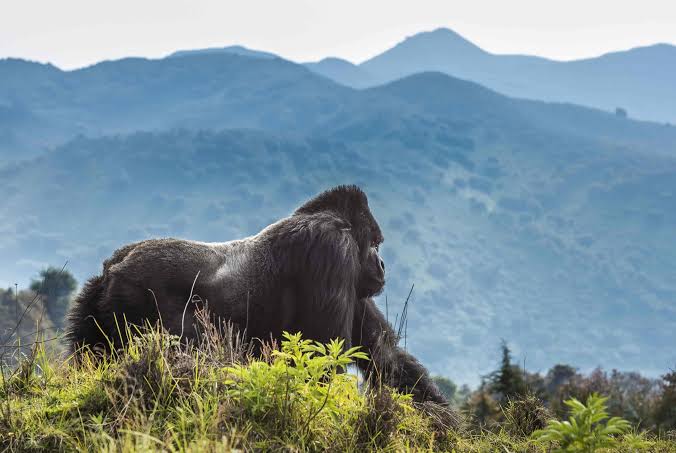
Gorillas are naturally adapted to their specific altitude ranges. Mountain gorillas thrive in cool, high-altitude environments where they feed on vegetation such as leaves, shoots, and bamboo. Their thick fur helps them survive lower temperatures.
Eastern lowland gorillas live at lower elevations in warmer, more humid forests. They do not experience altitude effects the way humans do, because they are fully adapted to their specific habitats.
Because gorillas are acclimatized to their environment, altitude does not limit their movement or behavior. Instead, it is human visitors who must adjust to the physical conditions.
Physical Preparation for High-Altitude Trekking
Altitude does not require advanced athletic ability, but it does require reasonable fitness and preparation. Travelers who walk regularly or engage in moderate exercise generally adjust better to trekking conditions.
Slow pacing becomes important. Rushing increases fatigue and makes altitude effects feel stronger. Steady, controlled movement helps the body adapt more efficiently during the hike.
Porters are often available in trekking areas. They assist with carrying bags and providing stability on difficult sections. This support significantly reduces physical strain, especially at higher elevations.
Proper breathing techniques also help. Steady inhalation and controlled pacing reduce fatigue and improve endurance during climbs.
Hydration and Altitude Adjustment
Hydration plays a key role in managing altitude effects. At higher elevations, the body loses water faster, even when temperatures feel cool.
Drinking water consistently during the trek helps maintain energy levels and reduces fatigue. Dehydration can intensify altitude-related discomfort, making hikes feel more difficult than they are.
Light meals before trekking also support energy balance. Heavy meals may slow movement, while balanced nutrition helps sustain endurance.
Mental Experience of Altitude in the Forest
Altitude not only affects the body but also shapes the mental experience of trekking. The combination of mist, silence, steep terrain, and dense forest creates a slower, more reflective pace.
Many trekkers describe a heightened sense of awareness during the climb. Breathing, movement, and surroundings become more noticeable. This mental shift often enhances the emotional impact of the gorilla encounter later in the trek.
The physical challenge also contributes to a stronger sense of achievement when reaching the gorilla family.
Gorilla Trekking Success and Altitude
Altitude does not affect the likelihood of finding gorillas. Tracking teams locate gorilla families based on movement patterns, feeding areas, and nesting sites rather than elevation alone.
However, altitude can influence trekking duration. Some groups may be located in higher, more remote areas, while others stay in lower zones closer to park boundaries.
This variability means each trek feels different, even within the same park.
Conclusion
Altitude plays a major role in shaping the gorilla trekking experience. It influences breathing, energy levels, temperature, terrain difficulty, and overall comfort. While gorillas are fully adapted to their environments, human visitors must adjust to the physical demands of high-elevation forests.
With proper pacing, hydration, and preparation, altitude becomes part of the adventure rather than a limitation. It adds depth, challenge, and atmosphere to one of Africa’s most remarkable wildlife experiences.
Understanding these effects helps travelers approach gorilla trekking with confidence, awareness, and appreciation for the landscapes that support these incredible animals.