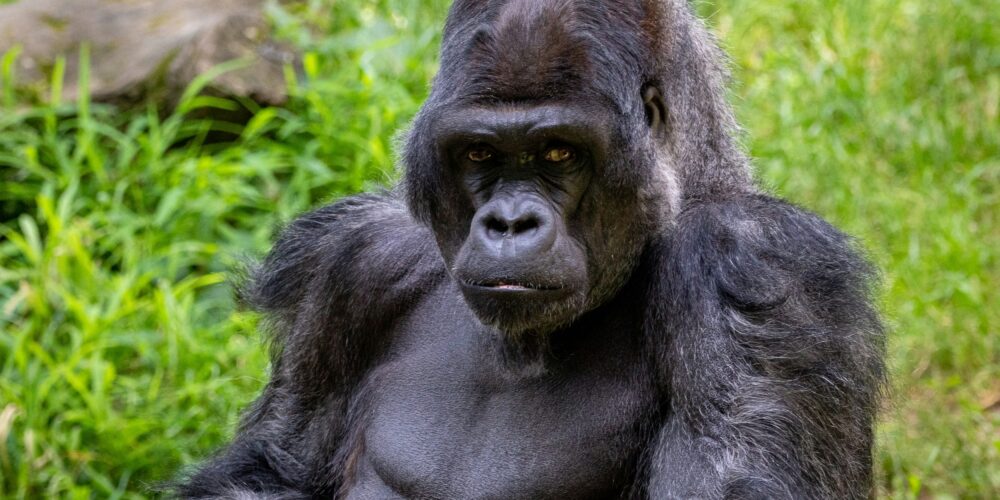

What to Pack for Gorilla Trekking in Rwanda
What to Pack for Gorilla Trekking in Rwanda
Packing correctly shapes your entire gorilla trekking experience in Rwanda. Volcanoes National Park features dense forest, steep slopes, and unpredictable weather. You need gear that keeps you comfortable, protected, and ready for changing conditions. This guide covers the essential gorilla trekking packing list Rwanda travelers rely on for a smooth and well-prepared trek.
Understanding the Trekking Environment
Volcanoes National Park sits at high altitude with frequent rain, cool temperatures, and thick vegetation. Trails can become muddy and slippery, and you often move through bamboo zones, forest undergrowth, and uneven terrain.
You may trek for one hour or several hours depending on the location of the gorilla family. Packing the right items ensures you stay comfortable from the start of the hike to the moment you encounter the gorillas.
Clothing for Gorilla Trekking
Start with long-sleeved shirts and long trousers. These protect your skin from scratches, insects, and stinging plants. Choose breathable fabrics that dry quickly, as conditions can change throughout the day.
A lightweight waterproof jacket is essential. Rain can fall at any time, even during the dry season. Neutral colors such as green, brown, or grey work best because they blend into the environment and avoid drawing attention from wildlife.
Layering works better than heavy clothing. Early mornings feel cool, but the trek can become warmer as you hike.
Footwear and Hiking Gear
Strong hiking boots with good grip provide stability on steep and muddy trails. Choose waterproof boots to keep your feet dry during wet conditions.
Gaiters help protect your lower legs from mud and insects. They also prevent debris from entering your boots, which improves comfort during longer treks.
A walking stick offers extra balance on uneven terrain. You can often receive one at the park headquarters, but bringing your own ensures familiarity and comfort.
Essential Daypack Items
Carry a small, lightweight backpack to hold your essentials. Pack enough drinking water to stay hydrated throughout the trek. Energy snacks help maintain stamina, especially during longer hikes.
Include a packed lunch if your tour operator or lodge provides one, as some treks extend into midday. A reusable water bottle or hydration pack works well for convenience.
Keep your items organized to allow quick access during the trek.
Rain Protection and Weather Gear
Rain protection remains critical in the gorilla trekking packing list Rwanda. A waterproof jacket should always stay within reach. You can also include a rain cover for your backpack to protect your belongings.
Quick-dry clothing helps you stay comfortable if you encounter rain. Avoid heavy fabrics that retain moisture.
Gloves and Hand Protection
Gardening gloves or lightweight trekking gloves protect your hands while moving through dense vegetation. Rangers often cut paths through thick forest, and you may need to hold onto branches or stems for support.
Gloves also improve grip when navigating steep or slippery sections.
Health and Personal Items
Carry basic personal items such as sunscreen, insect repellent, and hand sanitizer. Even though the forest canopy provides shade, exposure still occurs during open sections.
A small personal first aid kit can include plasters, pain relief tablets, and any prescription medication you require.
Face masks sometimes remain part of gorilla trekking guidelines to protect the animals from human-transmitted diseases. Carry one in your bag to stay prepared.
Camera and Photography Gear
A camera allows you to capture the moment when you encounter the gorillas. Use a camera with good low-light performance, as forest conditions can be dim.
Avoid flash photography, as it disturbs the gorillas. A strap helps secure your camera while hiking.
Keep electronics protected with waterproof covers or dry bags, especially during rainy conditions.
Porter Support and Additional Comfort
Hiring a porter improves your trekking experience. Porters carry your backpack, assist on difficult terrain, and provide support during steep sections.
This service not only increases your comfort but also supports local communities around the park. Even experienced hikers benefit from porter assistance in challenging conditions.
What Not to Pack
Avoid carrying unnecessary weight. Heavy luggage slows you down and reduces comfort during the trek. Large bags, excess clothing, and non-essential electronics can make movement more difficult.
Strong perfumes or scented products should also be avoided, as they can affect wildlife behavior.
Final Packing Advice
Pack with practicality in mind. Focus on protection, comfort, and mobility. Test your gear before the trip to ensure everything fits well and works properly.
The gorilla trekking packing list Rwanda centers on preparation for mud, rain, and physical activity. When you pack correctly, you reduce stress and focus fully on the experience.
Conclusion
A well-prepared packing list transforms your gorilla trekking experience in Rwanda. The right clothing, footwear, and essential gear allow you to move comfortably through the forest and enjoy the encounter without distraction.
Gorilla trekking demands preparation, but the reward justifies the effort. With the correct items in your bag, you step into the forest ready for one of Africa’s most unforgettable wildlife experiences.