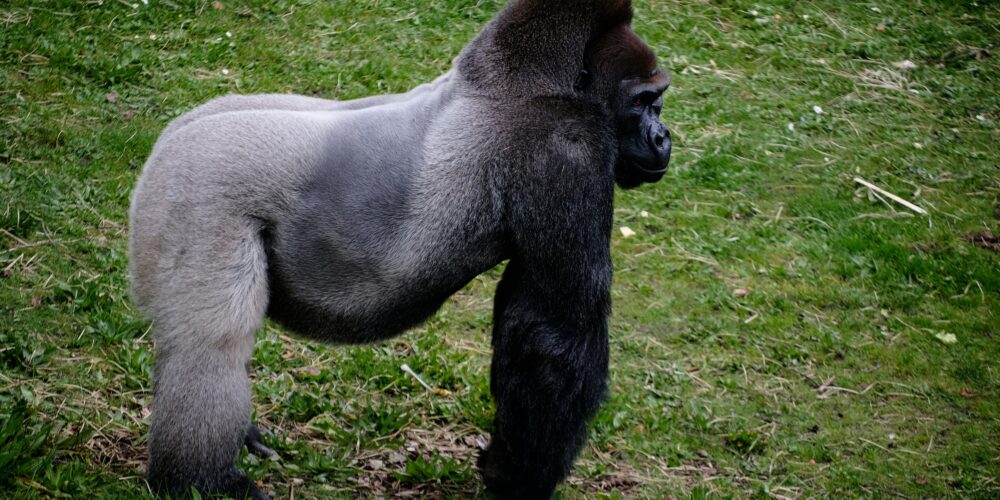

Best Time to Visit Rwanda for Gorilla Trekking
Best Time to Visit Rwanda for Gorilla Trekking
Rwanda delivers one of Africa’s most refined gorilla trekking experiences. Volcanoes National Park offers consistent sightings, well-managed trails, and a controlled visitor system that protects mountain gorillas. Timing your visit shapes how comfortable the trek feels, how early you need to secure permits, and the type of forest conditions you experience. Understanding the best time gorilla trekking Rwanda helps you plan with clarity and confidence.
Rwanda’s Climate and Gorilla Trekking Environment
Rwanda’s altitude defines its trekking environment more than its equatorial location. Volcanoes National Park rises above 2,500 meters, creating a cool and misty atmosphere throughout the year. Temperatures remain stable, but rainfall shifts across seasons and directly affects trail conditions.
The forest stays dense and green in every month. Gorilla trekking continues daily, with rangers tracking habituated families to maintain a high success rate. Seasonal changes influence how demanding the trek feels rather than the chance of seeing gorillas.
Dry Season: The Most Comfortable Time for Gorilla Trekking
The dry seasons run from June to September and from December to February. Trails remain firmer, which allows easier movement across steep slopes and forest paths. Trekkers maintain better footing and experience less physical strain, even on challenging terrain.
Vegetation opens slightly during this period. This improves visibility when observing gorillas and supports better photography conditions. Morning light filters more clearly through the canopy, which enhances the overall experience.
This period attracts the highest number of visitors. Many travelers consider it the best time gorilla trekking Rwanda because of the predictable conditions. Gorilla permits, priced at USD 1,500, often sell out months in advance, and accommodation near the park fills quickly.
Wet Season: A More Intimate Forest Experience
The wet seasons fall between March to May and October to November. Rain transforms the forest into a richer and more vibrant environment. Trails become muddy and more challenging, which increases the physical effort required during trekking.
Gorilla families often remain closer to lower slopes during wetter months due to food availability. This can reduce trekking distance, even though movement feels more demanding.
Fewer travelers visit during this period, which creates a quieter and more private experience. Permit availability improves, and some lodges offer more flexible pricing, making it a good option for travelers who value space and flexibility.
Month-by-Month Gorilla Trekking Guide
January and February bring a short dry season with favorable trekking conditions and moderate visitor numbers. March to May marks the long rainy season, where heavy rainfall increases trekking difficulty but enhances the forest’s lush appearance.
June to September represents the main dry season and the most popular travel window. Conditions remain stable, and trekking becomes more comfortable. October to November brings short rains, with fewer visitors and manageable trekking conditions. December shifts back toward dry conditions, with rising demand during the holiday season.
Gorilla Trekking Difficulty Across Seasons
Dry conditions support steady movement and reduce the risk of slipping. Trekkers navigate the terrain with more ease and maintain a consistent pace.
Wet conditions increase the challenge. Muddy trails and dense vegetation slow movement and require more effort. Trekkers often rely on walking sticks and porters for support, especially on steeper sections.
Despite these challenges, gorilla groups sometimes stay closer during wet months, which can shorten the trekking time.
Wildlife Experience and Scenic Differences
Gorilla sightings remain consistent throughout the year. Rangers track each habituated group daily, which ensures a reliable encounter.
Seasonal changes affect the surrounding environment. Dry months offer clearer views and easier photography. Wet months create a more dramatic and immersive forest setting with richer greenery and misty landscapes.
Golden monkey tracking and birdwatching also vary slightly. Wet months attract more bird activity, while dry months allow easier access to trails.
Choosing the Best Time Based on Travel Style
Travelers who prefer comfort, stable trails, and predictable planning should choose the dry seasons. These months provide easier trekking conditions and clearer views.
Travelers who value fewer crowds and more flexibility should consider the wet seasons. These months offer a quieter experience and better availability for permits and accommodation.
Practical Planning Tips
Secure gorilla permits early if you plan to travel during peak dry months. Rwanda maintains strict limits on daily visits, which makes advance booking essential.
Choose accommodation close to your trekking sector to reduce early morning travel time and improve comfort. Prepare for changing weather by packing waterproof clothing, strong hiking boots, and layered outfits.
Build moderate fitness before your trip. The trek involves hiking through uneven terrain at altitude, which requires steady physical effort.
Combining Gorilla Trekking with Other Experiences
Rwanda offers more than gorilla trekking. Many travelers combine Volcanoes National Park with Akagera National Park for wildlife safaris or Nyungwe Forest for chimpanzee tracking.
Dry seasons support broader safari travel, while wet seasons enhance forest-based experiences and scenery.
Conclusion
The best time gorilla trekking Rwanda depends on your priorities. Dry seasons offer comfort, accessibility, and ease of movement. Wet seasons provide solitude, richer scenery, and more flexible planning.
Gorilla trekking remains exceptional throughout the year. The right timing depends on how you want to experience Rwanda’s forests and encounter its mountain gorillas.