
Mountain Gorillas Habitat
Mountain Gorillas Habitat: Exploring the Home of Africa’s Gentle Giants
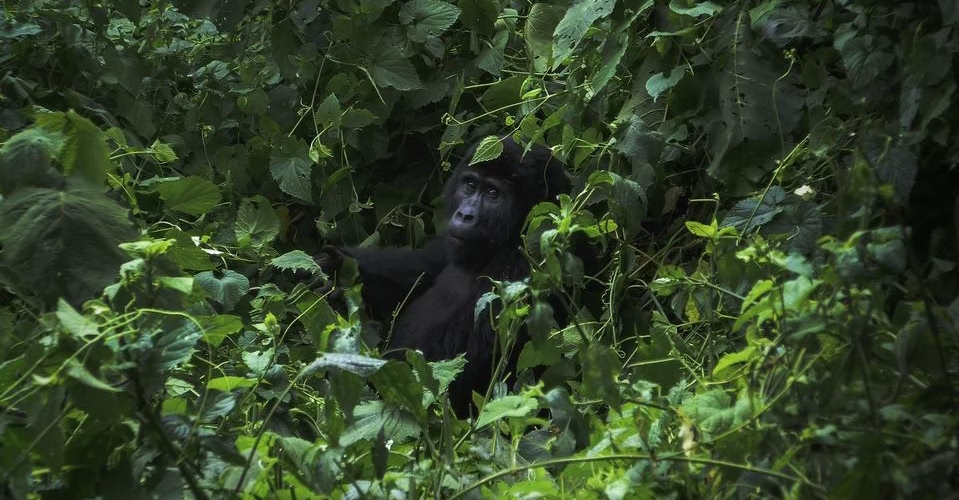
Mountain gorillas (Gorilla beringei beringei) are iconic African wildlife. Their survival depends entirely on protecting their natural habitats. They live in a few isolated forests in East and Central Africa, thriving in dense montane and bamboo forests. Knowing their habitat helps us understand their behavior, conservation challenges, and the excitement of gorilla trekking.
Where Mountain Gorillas Live
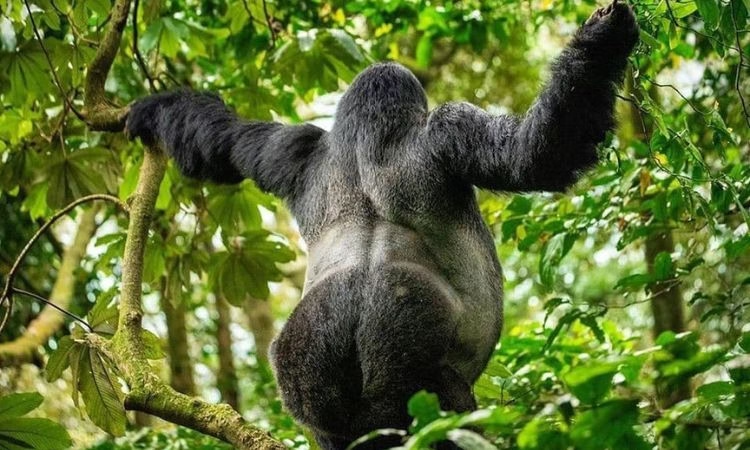
Mountain gorillas inhabit high-altitude forests across the Virunga Massif and Bwindi Impenetrable Forest:
- Virunga Mountains: Spanning Uganda, Rwanda, and the Democratic Republic of Congo, this volcanic mountain range is home to several gorilla families. Volcanoes National Park (Rwanda) and Mgahinga Gorilla National Park (Uganda) are part of this range.
- Bwindi Impenetrable Forest: Located in southwestern Uganda, Bwindi hosts almost half of the world’s mountain gorilla population. The forest’s dense vegetation provides food and protection.
These habitats are generally found between 2,200–4,300 meters above sea level, providing a cool, misty climate that supports lush vegetation year-round.
Key Features of Mountain Gorilla Habitat
-
Dense Vegetation
Mountain gorillas rely on thick forests for shelter and food. Bamboo, wild celery, ferns, and various shrubs dominate their diet, while the dense canopy offers protection from predators and harsh weather.

-
Abundant Water Sources
Streams and rivers flow throughout their habitats, ensuring gorillas have access to clean water while supporting a rich ecosystem of birds, insects, and other mammals.
-
Steep Terrain
Steep slopes and volcanic ridges provide gorillas with natural barriers against human encroachment, helping maintain the security of their territories.
-
Biodiversity Hotspot
Their habitat is a haven for other wildlife, including golden monkeys, elephants, forest duikers, and hundreds of bird species. This biodiversity is essential for ecological balance.
Conservation Significance
Mountain gorillas are critically endangered, and their survival depends on protecting these unique habitats. Deforestation, poaching, and human settlement threaten their existence. Conservation programs in Uganda, Rwanda, and DRC focus on habitat protection, anti-poaching patrols, and community involvement.
Visiting mountain gorillas through responsible tourism supports these conservation efforts while providing unforgettable wildlife encounters.
Plan Your Safari
Exploring the mountain gorillas’ habitat is a once-in-a-lifetime experience. Trekking through Bwindi Impenetrable Forest or Volcanoes National Park brings you face-to-face with these gentle giants while immersing you in lush, high-altitude ecosystems.
📩 Contact Gecko Safaris Africa today to plan your gorilla trekking adventure and experience the rich, dense habitat that supports these rare primates.