
Language Basics in Uganda
Language Basics in Uganda
Uganda is a multilingual nation with over 40 spoken languages. This diversity reflects the country’s rich ethnic and cultural makeup. While English is the official language, many Ugandans also speak local languages and dialects that shape daily communication.
Knowing a few language basics can enrich your travel experience and help you connect with Ugandans on a deeper level.
Official and Widely Spoken Languages
English is the official language of Uganda. It is used in schools, government, legal affairs, and most urban communication.
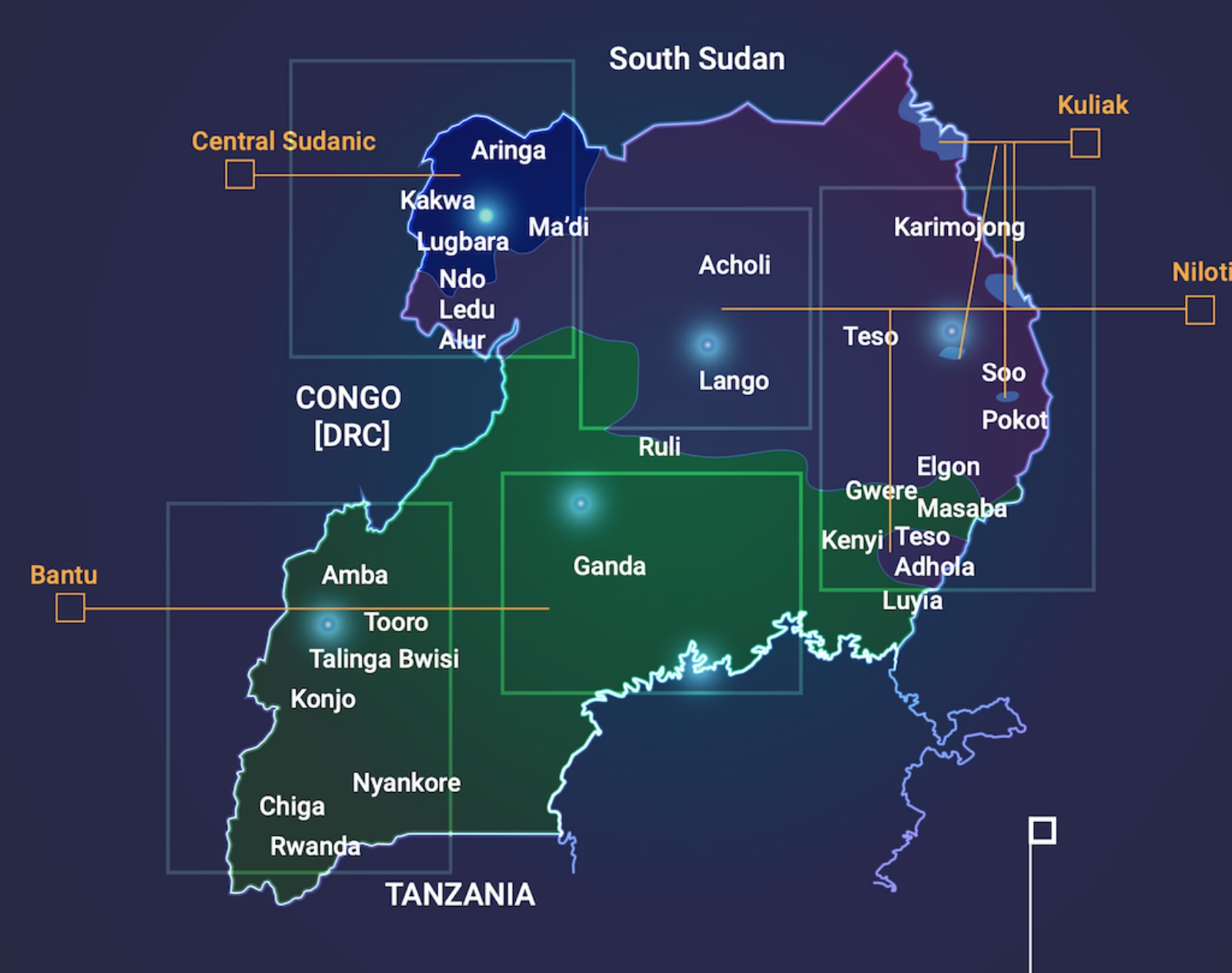
Luganda, spoken by the Baganda people in central Uganda, is the most widely used local language, especially in and around Kampala. Even non-Baganda often understand basic Luganda.
Swahili is a regional East African language used for trade and cross-border communication. The Ugandan government encourages its use as a unifying national language, though it’s not as dominant as in Kenya or Tanzania.
Common Ugandan Phrases (in Luganda)
| English | Luganda |
| Hello | Gyebale Ko |
| How are you? | Oli otya? |
| I’m fine | Gyendi |
| Thank you | Webale |
| Goodbye | Weeraba |
| Yes | Ye |
| No | Nedda |
| Please | Mwattu |
| What is your name? | Erinnya lyo ggwe ani? |
| My name is… | Erinnya lyange… |
Learning just a few words like these can bring smiles and spark warm responses from locals.
Other Regional Languages
- Runyankole-Rukiga: Spoken in southwestern Uganda, especially around Mbarara, Kabale, and Bushenyi.
- Lusoga: Common in the Busoga region, including Jinja.
- Acholi and Lango: Used in northern Uganda.
- Ateso: Spoken in eastern Uganda.
Each language group has its own greetings, proverbs, and unique expressions.
Language in Daily Life
Most Ugandans are multilingual. In cities, people often switch between English, Luganda, and a local language depending on the setting.
In rural areas, local dialects dominate. However, younger generations and schoolchildren often understand English thanks to formal education.
Tips for Travelers
- Use basic Luganda greetings when meeting locals.
- Listen to how people speak in markets, taxis, and shops.
- Don’t be shy — most Ugandans appreciate your effort, even if you say a word incorrectly.
- Carry a small phrasebook or language app for reference.
Language is more than words — it’s a doorway into culture, connection, and respect.
Plan Your Visit
Speaking a little Luganda or another local language can turn a simple trip into a more meaningful experience. It opens doors, starts conversations, and earns you warm smiles from Ugandans.
Before you travel, learn a few key words. When you are in Uganda, take time to listen, greet, and connect.
Language is the bridge between visitors and the heart of Uganda.