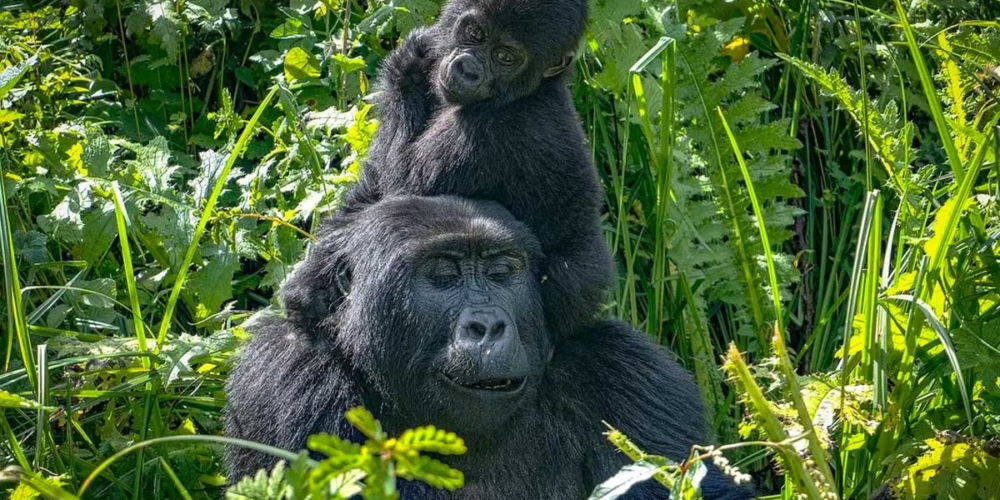

Gorilla Habituation Experience vs. Traditional Trekking
Gorilla Habituation Experience vs. Traditional Trekking
Gorilla trekking is a highlight for many travelers visiting Uganda, Rwanda, or Congo. But there are two main ways to experience gorillas in the wild: the traditional gorilla trekking and the gorilla habituation experience.
Both offer unforgettable moments but differ in purpose, duration, and involvement. Knowing these differences helps you choose the right adventure.
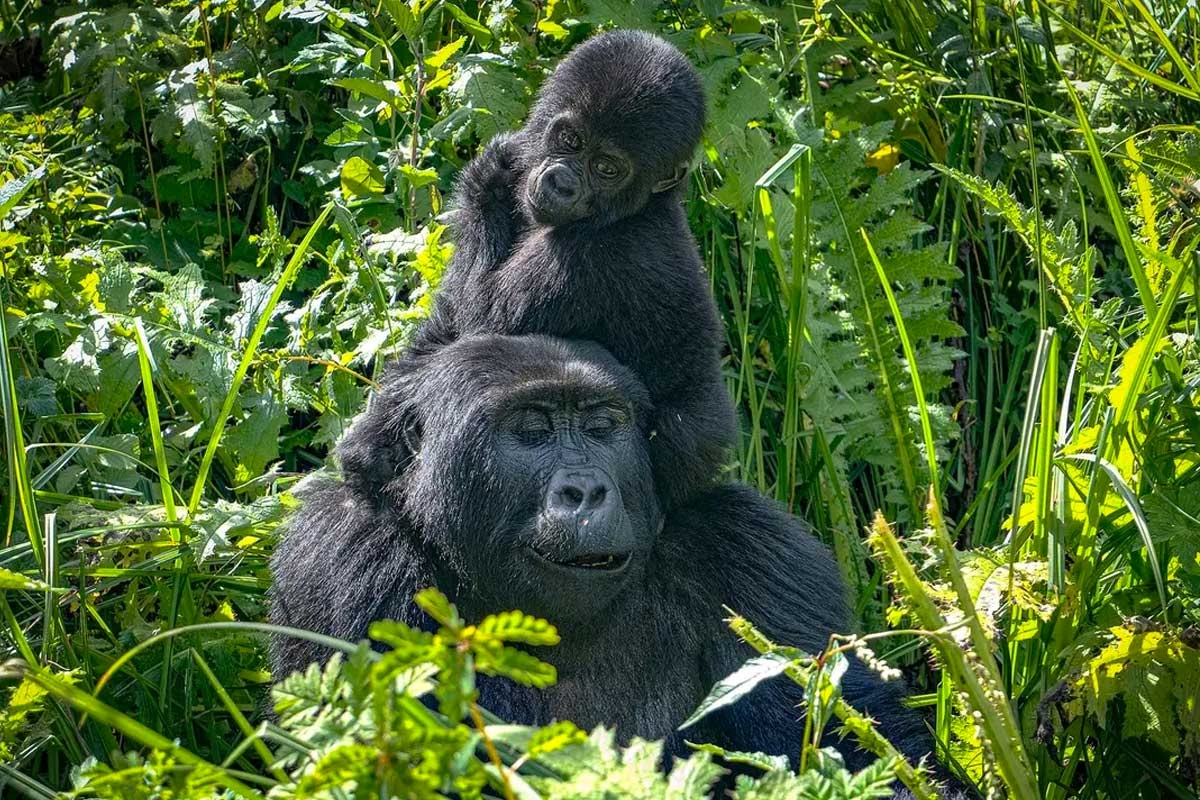
What Is Traditional Gorilla Trekking?
Traditional gorilla trekking involves hiking through the forest to find habituated gorilla groups. These gorillas are used to human presence, allowing visitors to observe them from a safe distance.
The trek typically lasts between 2 to 6 hours, depending on gorilla movement and terrain. Once found, visitors spend one hour with the gorillas, watching their behavior and taking photos.
This experience suits most travelers and requires a moderate level of fitness.
What Is Gorilla Habituation Experience?
The gorilla habituation experience is more intense and immersive. It allows visitors to join researchers and trackers as they spend several hours or even a full day with gorillas during the process of habituating them to human presence.
Visitors actively participate in observing gorilla behavior, tracking their movements, and sometimes assisting in the habituation process.
This experience demands higher fitness and patience but offers a rare, close-up look at gorilla social life and behavior.
Key Differences
| Aspect | Traditional Trekking | Gorilla Habituation Experience |
| Duration | 2-6 hours (1 hour with gorillas) | Up to 8 hours or full day |
| Level of Involvement | Passive observation | Active participation |
| Fitness Requirement | Moderate | High |
| Group Size | Usually 8 people per group | Smaller groups, often fewer than 6 |
| Cost | Lower permit fees (~$800-$1500) | Higher permit fees (~$1,500 or more) |
| Experience Depth | Viewing habituated gorillas | Witnessing habituation process firsthand |
Benefits of Traditional Trekking
- More accessible to most visitors
- Shorter and less physically demanding
- Offers a guaranteed hour with habituated gorillas
- Well-established with many guides and facilities
Benefits of Gorilla Habituation Experience
- Deeper understanding of gorilla behavior
- Close observation of family dynamics and infant development
- Opportunity to see gorillas in less predictable situations
- Unique experience often reserved for serious wildlife enthusiasts
Things to Consider
If you have limited time or fitness, traditional trekking is ideal. If you want a rare, in-depth experience and can handle long hours in the forest, the habituation experience is unmatched.
Both require respect for gorillas and following strict rules to protect them.
Plan Your Safari
Choosing between traditional trekking and habituation depends on your interests and physical ability. Both offer life-changing encounters that contribute to conservation.
Book your permits early, prepare physically, and travel with responsible operators. No matter which experience you choose, you will support mountain gorilla protection and local communities.