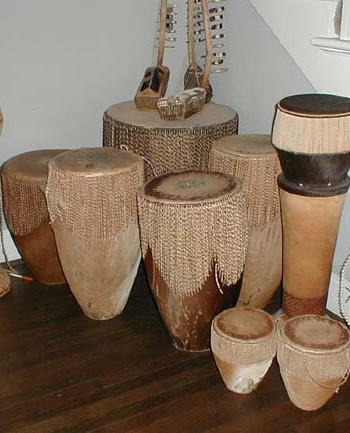

The African Drum
The African Drum – The Heartbeat of African Culture
The African drum is more than a musical instrument. It’s a symbol of identity, tradition, and communication. Across Africa, drums speak a language older than words.
From ceremonies to storytelling, the beat of the drum has guided generations.
A Symbol of Unity and Power
In African culture, drums are sacred. They unite communities, connect the living with the ancestors, and guide social events. Each rhythm carries meaning—joy, sorrow, birth, war, and celebration.
Kings, warriors, and spiritual leaders have used drums to command attention, deliver messages, and summon spirits.
Types of African Drums
Africa is home to many types of drums, each with unique origins and roles.
-
Djembe – West Africa
Artisans carve the djembe from a single piece of hardwood and stretch goat skin over it. Players use their bare hands to produce a wide range of sounds. The djembe brings people together in dance, celebration, and healing rituals.
-
Talking Drum (Dundun) – Nigeria and Ghana
This drum mimics human speech. Players use curved sticks and squeeze cords to change pitch. In the past, it sent messages across villages—long before phones.
-
Ngoma – Central and East Africa
“Ngoma” means “drum” in many Bantu languages. These tall drums are used in royal events, initiation ceremonies, and spiritual rites. In Uganda, Rwanda, and Burundi, the Royal Drums of Burundi are world-famous.
-
Bougarabou and Ashiko – West and Central Africa
These hand drums have deep tones and are often played in drum circles. They help keep community rhythms alive.
Drums in African Life
Drums are played at:
- Weddings and naming ceremonies
- Traditional dances and harvest festivals
- Rites of passage and funerals
- Spiritual rituals and ancestor worship
In some communities, only trained drummers or elders can play sacred drums. Others use them as tools of unity and expression during festivals.
The Drum in Modern Africa
Today, the African drum lives on in both tradition and modern music. Afrobeat, reggae, and African jazz carry drum rhythms into the global stage. Schools teach drumming as part of cultural education. Tourists often join drumming workshops to connect with the rhythm of Africa.
Plan Your Cultural Safari
The African drum tells the soul of Africa. It speaks across time, space, and generations. On your next trip to East Africa, attend a drum performance or take a class—you’ll feel the heartbeat of the continent in every strike.