
Northern Uganda Safari Holiday
Northern Uganda Safari Holiday
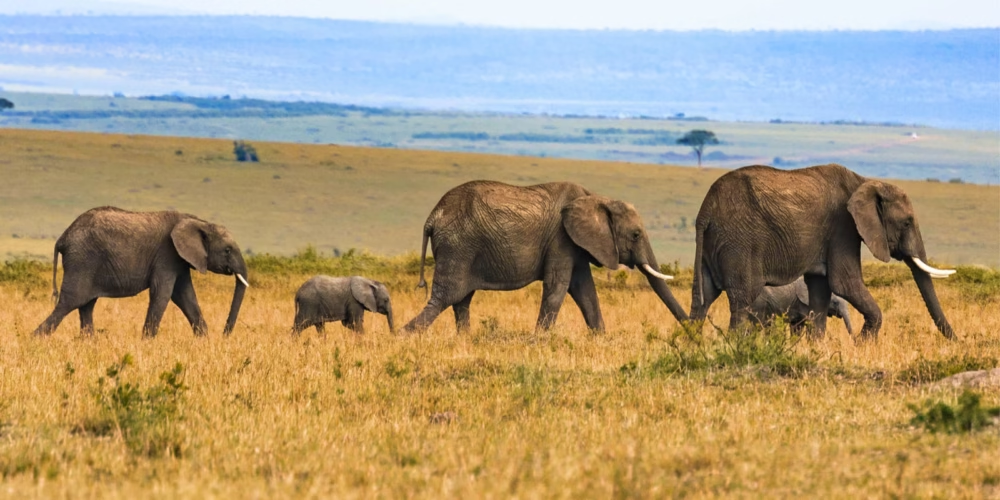
Northern Uganda remains one of the least explored yet most rewarding safari destinations in East Africa. Far from the crowded game parks of the south, this region offers wide-open landscapes, authentic cultural experiences, and rare wildlife encounters. A safari holiday in Northern Uganda invites you to step off the beaten path and into the raw beauty of the country’s untamed north.
What Makes Northern Uganda Unique?
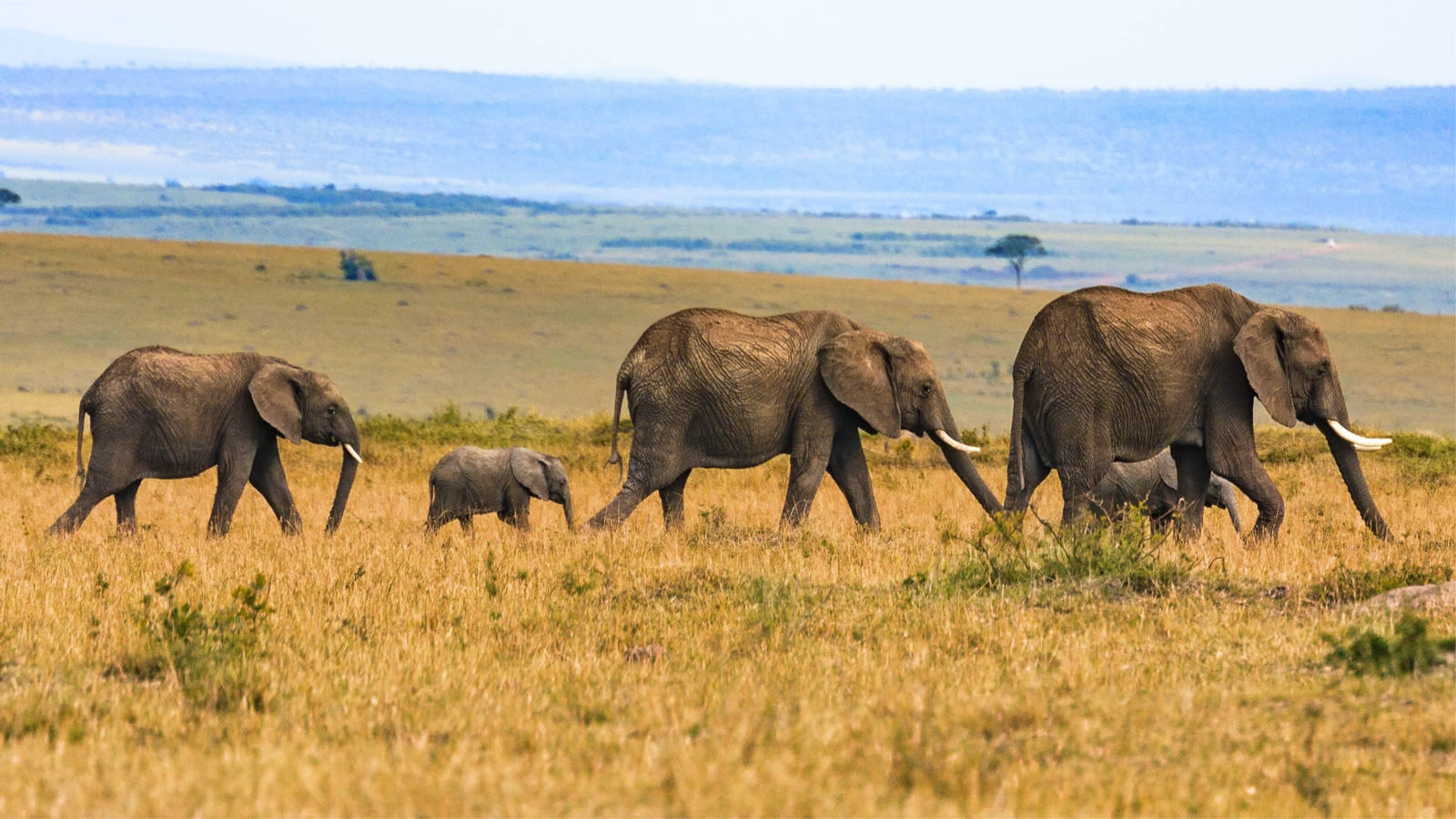
While southern Uganda draws attention with mountain gorillas and Queen Elizabeth National Park, the north has its own wilderness treasures. The region is home to Kidepo Valley National Park, often referred to as Uganda’s most isolated and scenic park. Travelers who venture here enjoy game viewing without crowds, as well as rich cultural interaction with the Karamojong and IK group.
Northern Uganda also tells a powerful story of resilience. Once impacted by conflict, it has now reopened as a peaceful and welcoming destination where tourism directly supports local development and conservation.
Top Safari Destinations in Northern Uganda
-
Kidepo Valley National Park
Tucked between Uganda’s borders with South Sudan and Kenya, Kidepo spans over 1,400 square kilometers of savannah, bushland, and rugged hills. It’s home to more than 77 mammal species and over 475 bird species.
Key highlights:
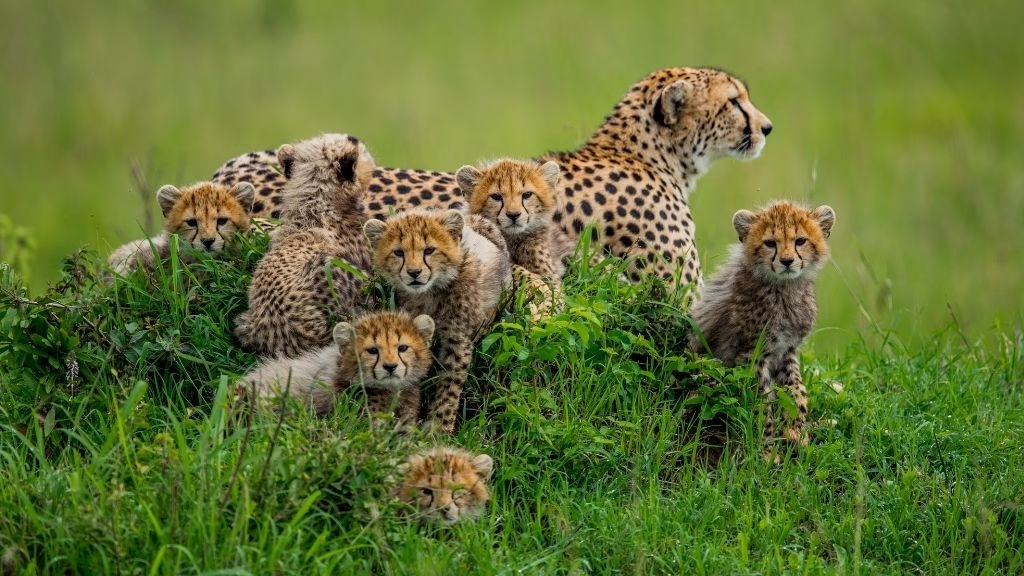
- Lions, cheetahs, leopards, and bat-eared foxes
- Herds of elephants, zebras, giraffes, and buffaloes
- The dramatic Narus and Kidepo river valleys
- Hot springs at Kanangorok near the South Sudan border
Game drives here feel adventurous and intimate, with wide views of untouched wilderness and few other vehicles in sight.
-
Pian Upe Wildlife Reserve
 Located in the Karamoja sub-region, Pian Upe is one of Uganda’s largest reserves and a true hidden gem. It offers a remote safari experience, where you can spot:
- Roan antelope and Jackson’s hartebeest
- Ostriches, leopards, and eland
- Dry plains and scenic rock outcrops
This reserve is ideal for travelers seeking off-the-grid wildlife viewing and photography.
-
Mount Moroto and Karamoja Cultural Encounters
Mount Moroto and its surrounding areas are perfect for combining nature with culture. Hike the slopes of this ancient volcano, and spend time with Tepeth communities, learning about their traditions, dances, and daily lives.
Nearby, you can engage with the Karamojong pastoralists, whose customs and attire resemble those of the Maasai. These cultural safaris are authentic, respectful, and deeply enriching.
Activities to Expect on a Northern Uganda Safari
- Game Drives: In Kidepo and Pian Upe, morning and evening drives reveal a wide array of wildlife.
- Guided Nature Walks: Walk alongside park rangers and track animals on foot in designated safe zones.
- Birdwatching: Spot rare species like the Kori bustard, Abyssinian ground hornbill, and karamoja apalis.
- Cultural Visits: Tour traditional homesteads and experience local music, dance, and storytelling.
- Mountain Hiking: Trek through the volcanic ranges of Mount Moroto, Mount Napak, or Mount Kadam.
Best Time to Visit
The dry seasons, from June to September and December to February, are ideal for a Northern Uganda safari. Wildlife is easier to spot during these months, and road conditions are better. During the wet seasons, the landscapes turn lush and green, but some roads may become challenging, especially in remote areas.
Getting There
Reaching Northern Uganda requires some planning due to its remote location.
- By Road: A road trip from Kampala to Kidepo Valley takes about 10–12 hours. It’s long but scenic, and many operators break the journey with stops in Gulu or Kitgum.
- By Air: Domestic flights are available to Apoka Airstrip in Kidepo, reducing travel time significantly.
- For Pian Upe and Mount Moroto: Access is easiest via Mbale or Soroti, both reachable by road or domestic airstrips.
Where to Stay
Accommodation in Northern Uganda ranges from luxury safari lodges to basic campsites.
- Apoka Safari Lodge – High-end comfort in the heart of Kidepo
- Kidepo Savannah Lodge – Affordable and scenic with tented rooms
- UWA Bandas – Budget-friendly cottages managed by Uganda Wildlife Authority
- Kara-Tunga Safari Camp – Cultural immersion and adventure hub in Moroto
- Mount Moroto Hotel – Great for trekkers exploring the Karamoja Highlands
Responsible Tourism and Conservation
Tourism in Northern Uganda directly supports wildlife protection and community development. Many lodges employ locals and contribute to conservation education. Your visit helps sustain this fragile ecosystem and provides alternatives to subsistence poaching or deforestation.
Plan Your Northern Uganda Safari
Northern Uganda is a frontier worth exploring—wild, raw, and deeply soulful. It’s a region where safari means more than just wildlife; it’s about connection. Whether you’re drawn by the animals, the people, or the land itself, a safari here leaves you changed.