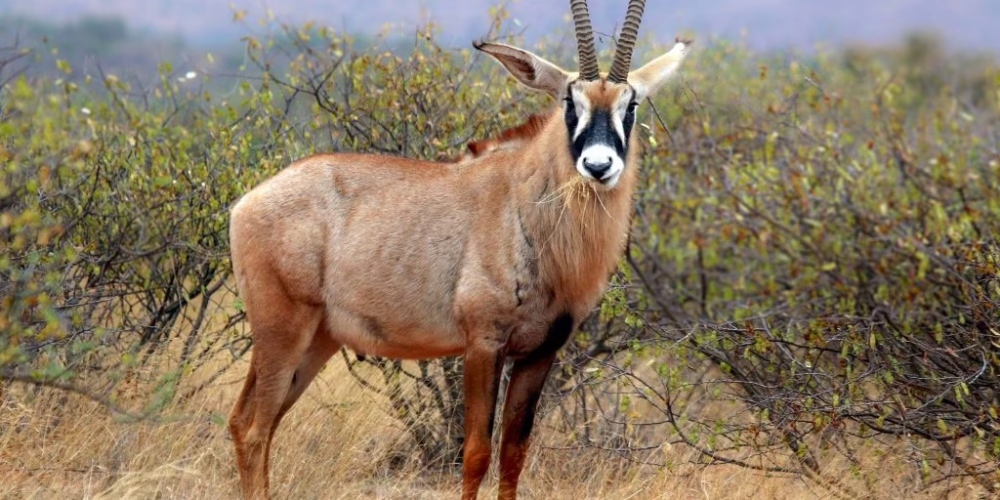

Bokora Corridor Wildlife Reserve
Bokora Corridor Wildlife Reserve: Uganda’s Remote Safari Gem
Uganda’s northeastern frontier holds a hidden wilderness that few travelers ever reach—Bokora Corridor Wildlife Reserve. Located in the semi-arid Karamoja region, this 2,056-square-kilometer reserve offers raw beauty, rare wildlife, and deep cultural heritage. Established in 1964, it connects two other key reserves—Pian Upe and Matheniko—forming a vital ecological corridor in East Africa.
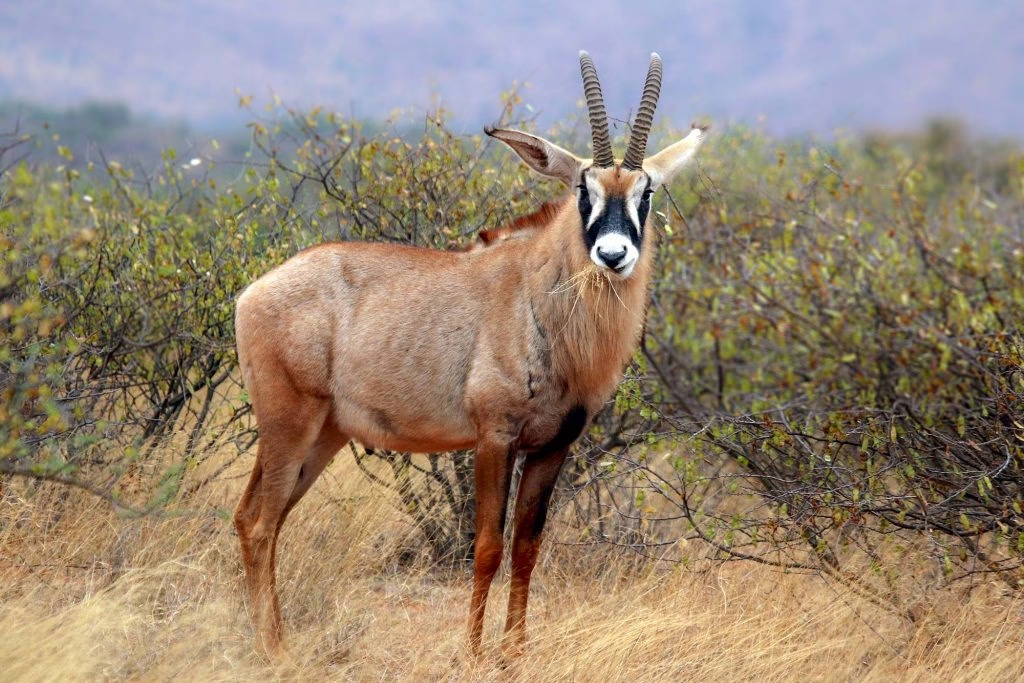
Wildlife in Bokora Corridor
Despite its dry climate, Bokora Corridor supports a surprising variety of wildlife. The reserve shelters species that have disappeared from other parts of Uganda due to habitat loss and hunting.
- Rothschild’s giraffe – an endangered and uniquely patterned subspecies
- Cheetahs and leopards – elusive predators adapted to open plains
- Lions, hyenas, and jackals
- Antelope species like roan antelope, lesser kudu, eland, reedbuck, and topi
- Occasional sightings of elephants and zebras
The wildlife thrives in open savannah grasslands interspersed with rocky outcrops and seasonal rivers.
Birdwatching in the Swamps and Plains
The Loporokocho Swamp, located within the reserve, is a major draw for birders. Over 200 species have been recorded, including:
- Ostriches – Africa’s largest birds roam the open plains
- Jackson’s hornbill and African hill babbler
- Hartlaub’s turaco, thick-billed honeyguide, black-throated wattle-eye
- Numerous raptors and migratory species
Dry woodland and swampy pockets create diverse bird habitats rarely found together in one area.
Cultural Encounters with the Karamojong
The Karamojong people are the traditional custodians of this land. Semi-nomadic and cattle-centered, their culture revolves around herding, traditional rituals, and deep community values.
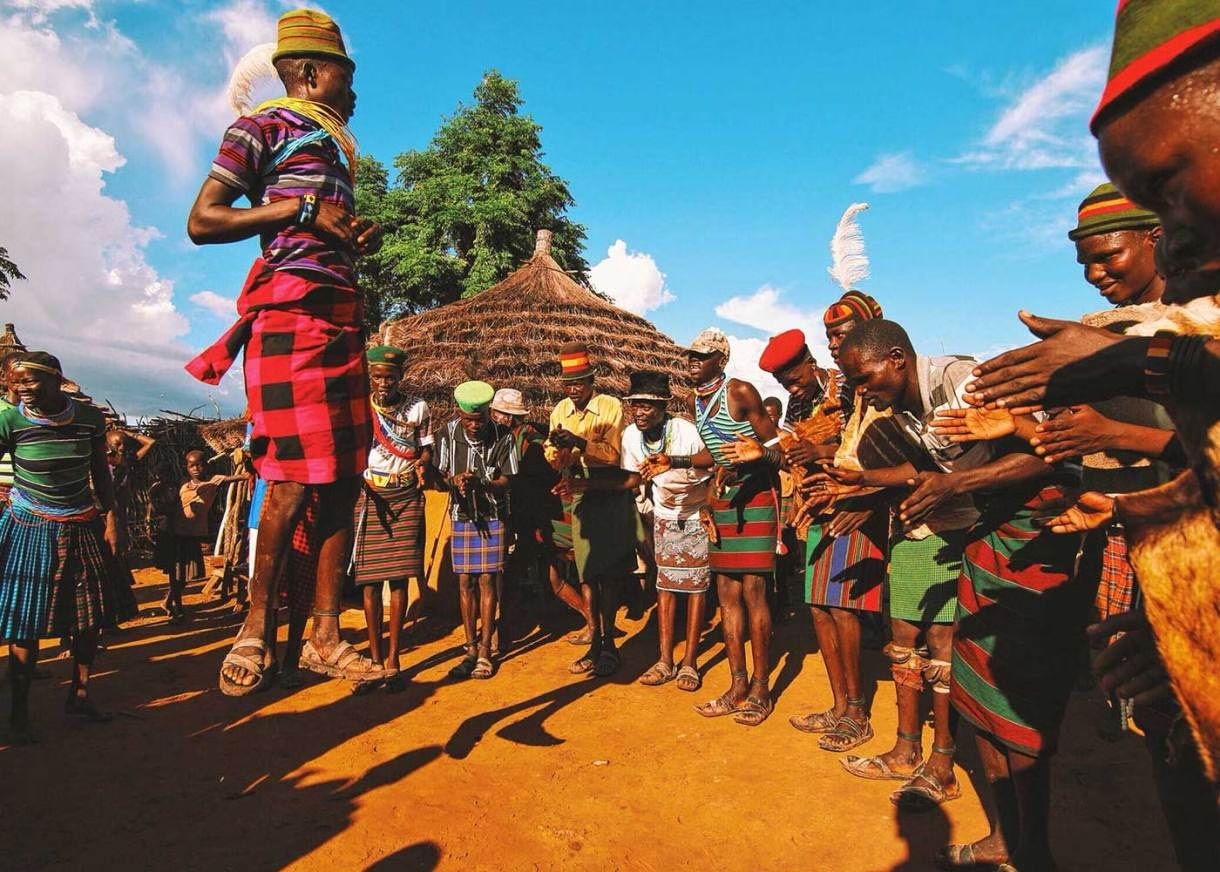
Visitors can:
- Participate in cattle milking and herding
- Witness evening dances and storytelling
- Learn about their traditional homesteads (manyattas)
These experiences are immersive, respectful, and offer insight into one of Uganda’s most resilient cultures.
Activities in the Reserve
Bokora Corridor Wildlife Reserve isn’t a typical tourist destination with luxury lodges and paved roads. Instead, it rewards adventurous travelers with raw, off-the-grid safari experiences.
Game Drives
Guided drives allow for sightings of antelope, giraffes, and carnivores. Early mornings and evenings are best for animal activity.
Guided Nature Walks
Rangers lead walking safaris through open grasslands and bush. The walks focus on tracking, ecology, and smaller wildlife encounters.
Hiking and Scenic Views
Nearby Mount Kadam and Mount Napak offer excellent hiking opportunities with sweeping views of the Karamoja plains.
Camping Safaris
With no established lodges inside the reserve, camping is the best way to stay close to nature. Travelers should come prepared with supplies and gear, as the region is remote.
Stargazing
With no light pollution, the night skies above Bokora Corridor are breathtaking. Visitors often describe the stars as “touchable.”
How to Get There
Bokora Corridor lies in Karamoja sub-region, bordered by Moroto, Nakapiripirit, and Kotido districts. Access is challenging but rewarding.
- By road: From Kampala, it takes 8–10 hours via Mbale or Soroti. A 4×4 is essential.
- By air: Charter flights can land in Moroto town, with transfers arranged into the reserve.
The best time to visit is during the dry seasons: December to March and June to September.
Accommodation Options
Currently, no formal lodges exist inside the reserve. Travelers usually stay in:
- Tented campsites within or near the reserve (with prior permission)
- Guesthouses in Moroto or Kotido
- Safari lodges in Pian Upe or Matheniko for combined itineraries
Adventure outfitters can arrange mobile tented camps for multi-day safaris.
Conservation and Community
Managed by the Uganda Wildlife Authority, Bokora Corridor faces conservation challenges. Encroachment, illegal grazing, and human-wildlife conflict threaten biodiversity.
Efforts are underway to:
- Promote community conservation initiatives
- Develop low-impact tourism for local benefit
- Provide education and ranger support
Responsible tourism plays a vital role in preserving this wild landscape and supporting Karamojong communities.
Plan Your Visit
If you seek an unfiltered African safari, Bokora Corridor Wildlife Reserve offers rare wildlife, cultural depth, and untamed wilderness. It’s not for luxury travelers, but it’s perfect for explorers, conservationists, and anyone craving authentic adventure.