
Gorilla Trekking Facts
Gorilla Trekking Facts
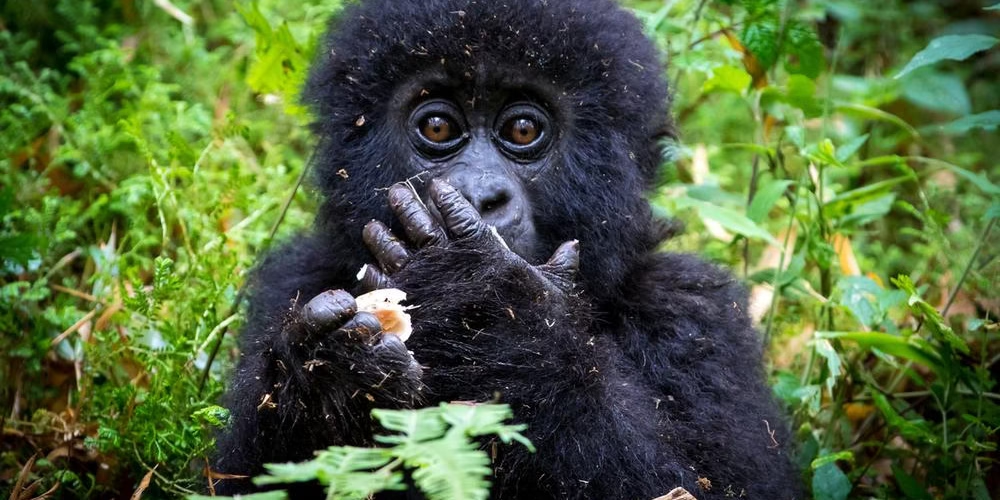
Gorilla Trekking Facts. A rare chance to observe mountain gorillas in their natural habitat. It’s a bucket-list adventure that takes you deep into misty forests in Uganda, Rwanda, and the Democratic Republic of Congo. Whether you are planning your first trek or looking for a refresher, these facts will help you prepare.
-
Mountain Gorillas Are Critically Endangered
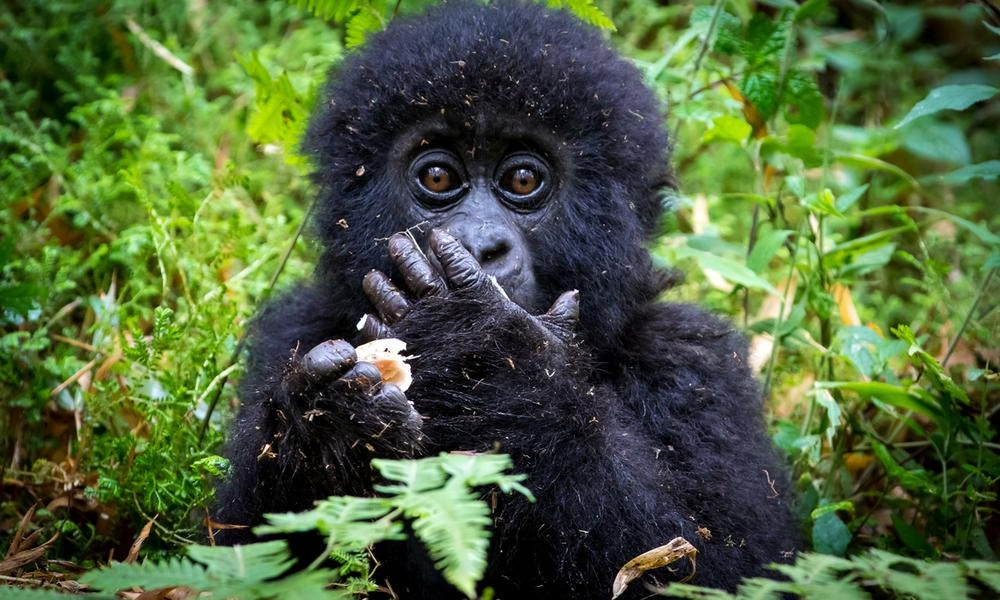
Only around 1,063 mountain gorillas remain in the wild. They live in two isolated populations: the Virunga Massif (shared by Uganda, Rwanda, and DRC) and Bwindi Impenetrable Forest in Uganda.
-
You Can’t See Gorillas in Zoos
Mountain gorillas do not survive in captivity. Trekking is the only way to see them. Their remote, high-altitude forest homes protect them from human encroachment and disease.
-
You Need a Permit
All visitors must secure a gorilla trekking permit in advance. As of 2025:
- Uganda: $800
- Rwanda: $1,500
- DRC: $450
Only 8 people visit each habituated group daily. Book your permit months ahead, especially during peak season.
-
Trekking Duration Varies
Finding a gorilla group may take 30 minutes to 7 hours. The duration depends on the gorillas’ location and how far they’ve moved. Once found, you spend one hour observing them up close.
-
Treks Take Place at High Altitudes
Gorilla habitats lie between 2,200 and 3,000 meters above sea level. Trails can be steep, muddy, and overgrown. You’ll need moderate fitness and sturdy hiking boots. Porters help with luggage or lend a hand on slippery slopes.
-
Gorillas Are Gentle Giants
Mountain gorillas live in tight-knit families led by a silverback male. They are peaceful, intelligent, and mostly vegetarian. Your guide interprets their behavior, including chest-beating, grunts, and grooming.
-
Health Precautions Are Strict
Because gorillas share 98.4% of human DNA, they’re vulnerable to human illnesses. You must wear a face mask, stay 7 meters away, and avoid trekking if sick. Vaccinations for yellow fever and COVID-19 are often required.
-
Rules Help Protect the Gorillas
Key trekking rules include:
- No flash photography
- No food near gorillas
- Keep voices low
- Limit movements
- Follow ranger instructions at all times
These guidelines reduce stress and keep both humans and gorillas safe.
-
Best Time to Trek
The best months are June to September and December to February. Trails stay drier, and visibility improves. However, you can trek year-round, and gorillas remain accessible in all seasons.
-
Trekking Supports Conservation
Gorilla tourism funds conservation, anti-poaching efforts, and local communities. A portion of every permit supports rangers, veterinarians, and villagers who help protect the gorillas.
Bonus: Travel in a 4×4 Land Cruiser
Most travelers access gorilla parks in a customized 4×4 Land Cruiser. These vehicles offer comfort on rough terrain and include pop-up roofs for scenic viewing along the way. Fly-in options also exist for Bwindi and Volcanoes National Parks.
Plan Your Safari Today
Gorilla trekking offers more than a wildlife sighting. It’s a life-changing journey that brings you face-to-face with our closest relatives in one of Earth’s last pristine forests. With expert guides, proper preparation, and ethical travel, you’ll help protect these majestic primates.