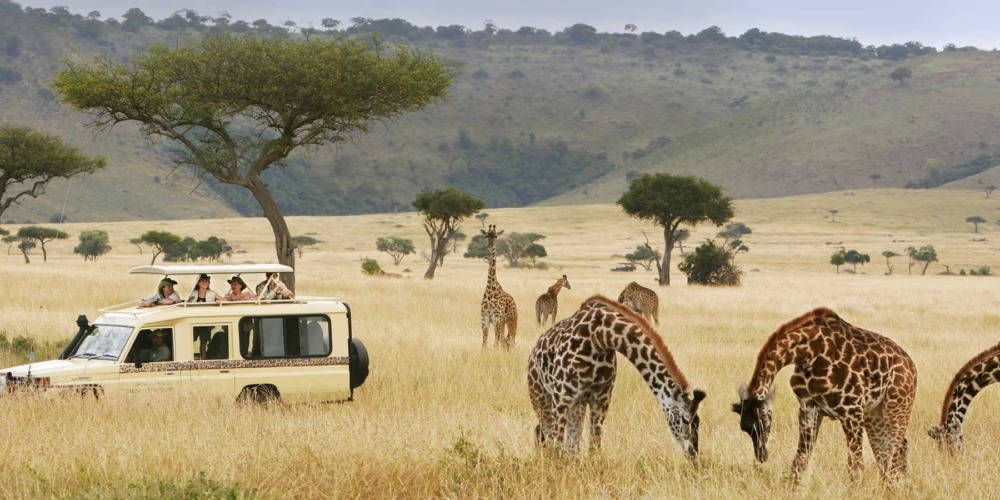

East Africa safari destinations by month
When to Go on Safari in East Africa
East Africa safari destinations by month. East Africa offers year-round safari opportunities, but each month brings a unique experience. Understanding the seasonal rhythm helps travelers match their interests with the best destinations and activities. Whether it’s witnessing wildebeest migrations, gorilla trekking, or birdwatching, timing your safari right makes all the difference.
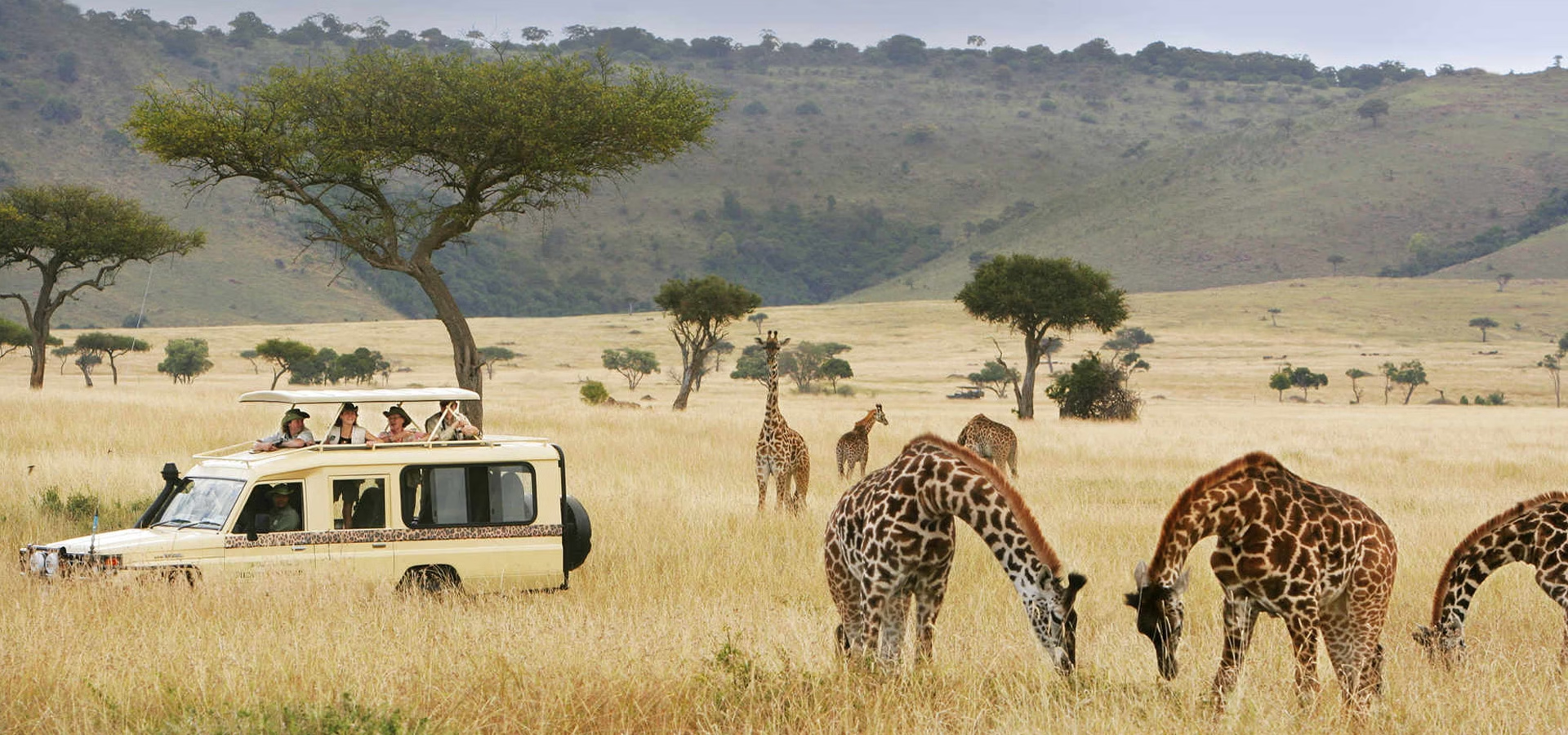
January: Calving and Predator Activity in Tanzania
January begins the calving season in southern Serengeti and Ndutu. Over 500,000 wildebeest give birth, creating predator-rich drama on the plains. Short grass provides excellent visibility. The weather stays warm and clear after the December rains, making it ideal for wildlife photography.
Top Activities in January:
- Game drives in Ndutu and southern Serengeti to witness calving
- Predator tracking and photography
- Birdwatching in Lake Nakuru and Lake Naivasha
- Exploring Masai Mara’s resident wildlife
February: Prime Calving and Big Cat Sightings
Calving season continues in full swing. Large predators such as lions, hyenas, and leopards hunt the vulnerable young, creating thrilling action for safari-goers. The weather remains favorable across northern Tanzania and Kenya.
Top Activities in February:
- Watch predators in action in Ndutu
- Photograph newborn wildebeest and interactions
- Visit Lake Manyara for elephants and flamingos
- Explore Queen Elizabeth National Park’s Kazinga Channel
March: Lush Landscapes and Quiet Parks
March brings the onset of the green season. While some areas receive early rains, wildlife remains visible and active. Fewer tourists mean quieter parks and lower rates.
Top Activities in March:
- Game drives in Tarangire and Laikipia
- Birdwatching in Lake Mburo and Lake Victoria wetlands
- Scenic photography in lush green settings
- Gorilla trekking in Bwindi (less crowded)
April: Green Season Beauty
Heavy rains sweep across much of East Africa in April, painting the landscapes deep green. Though game-viewing becomes a challenge in tall grass, birding and photography thrive. This month suits travelers who want solitude and dramatic scenery.
Top Activities in April:
- Gorilla trekking in Uganda and Rwanda
- Birdwatching in wetlands and forests
- Cultural visits to communities around parks
- Visit Murchison Falls for misty waterfall hikes
May: Budget Travel and Misty Forests
May continues the wet season, but parks look vibrant. Gorilla permits and lodge rates drop, offering value for adventurous travelers. Photographers love the morning fog in mountain forests.
Top Activities in May:
- Discounted gorilla trekking in Bwindi and Volcanoes
- Explore Mahale Mountains for chimp tracking
- Visit Meru or Kidepo Valley for secluded safaris
- Nature walks and butterfly watching in Kibale Forest
June: Dry Season Begins
Rains retreat, and wildlife starts gathering near water sources. The dry season kicks off across East Africa, offering reliable sightings. Visibility improves, and temperatures remain mild.
Top Activities in June:
- Game drives in Ruaha and Tarangire
- Watch elephants in Amboseli against Mt. Kilimanjaro
- Visit Northern Serengeti for early migration
- Explore Ngorongoro Crater’s rich wildlife
July: The Migration Enters Kenya
The Great Migration charges into the Masai Mara. River crossings begin along the Mara River, with crocodiles lying in wait. Tanzania’s northern parks stay excellent, and dry conditions dominate the region.
Top Activities in July:
- Witness Mara River crossings in Kenya and Tanzania
- Visit Samburu and Laikipia for unique wildlife
- Boat safaris in Selous or Rufiji River
- Cultural experiences with the Maasai
August: Peak Safari Season
Wildlife viewing hits its peak in August. Migration drama continues, and many parks stay dry and accessible. Clear skies and cool mornings set the scene for unforgettable safaris.
Top Activities in August:
- Watch big cats hunt in the Masai Mara
- Spot elephants in Tarangire and Amboseli
- Visit Kidepo Valley for classic savannah scenes
- Track chimpanzees in Kibale National Park
September: Calm After the Crowd
As migration crowds thin out, game-viewing remains strong. The pace slows slightly, giving a more relaxed safari experience. Landscapes stay dry and golden.
Top Activities in September:
- Enjoy peaceful game drives in the Mara
- Visit Queen Elizabeth National Park for boat safaris
- Track chimps in Mahale or Budongo Forest
- Scenic drives in Ngorongoro Highlands
October: Secret Season for Savvy Travelers
October sees fewer tourists but strong wildlife sightings. The short rains may begin late in the month, but early days remain ideal for safaris.
Top Activities in October:
- Game drives in Katavi and Ruaha
- Gorilla trekking in Volcanoes National Park
- Explore Samburu and Buffalo Springs
- Combine safari with Zanzibar or Kenyan coast
November: Short Rains and Returning Wildebeest
Short rains refresh the plains. The Great Migration starts returning to the southern Serengeti. Landscapes turn green, and bird migrations begin.
Top Activities in November:
- See wildebeest move south in Serengeti
- Birdwatching in Arusha and Lake Baringo
- Visit Bwindi with discounted trekking permits
- Walk safaris in private conservancies
December: Festive Safaris and New Life
December wraps up the safari year with a mix of new life, lush scenery, and a festive atmosphere. Calving resumes in the southern Serengeti. Holiday travelers enjoy both wildlife and warm hospitality.
Top Activities in December:
- Watch early calving in Ndutu
- Gorilla trekking in Rwanda over the holidays
- Family safaris in Lewa or private conservancies
- Beach escapes in Diani or Zanzibar
Travel With the Seasons
Every month in East Africa brings its own rhythm, beauty, and adventure. With a little planning, travelers can match their dream experience to the perfect time of year.
Plan Your Safari
Need help choosing the right month or crafting a custom itinerary? Our team can match your goals with the ideal park, season, and experience.