
Immunizations Before Your Trip to Tanzania
Immunizations Before Your Trip to Tanzania
Medical requirements for a Tanzania visa. Traveling to Tanzania offers breathtaking experiences, from hiking Mount Kilimanjaro to watching wildlife roam the Serengeti. But before you go, ensure your health is protected with the right immunizations. This preparation helps you avoid common travel illnesses and enjoy your adventure with peace of mind.

Which Vaccines Do You Need?
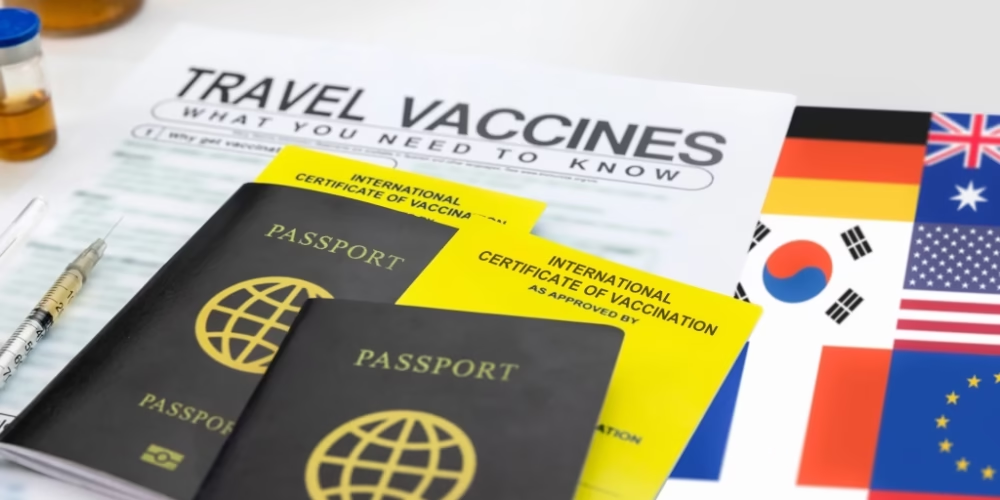
Yellow fever vaccination is required only if you’re arriving from a country where the disease is present. Travelers flying directly from countries without yellow fever risk, like the U.S. or most of Europe, do not need the vaccine. If required, you must carry your Yellow Card as proof of vaccination.
Hepatitis A is recommended for all travelers. This virus spreads through contaminated food and water, which can happen even in reputable restaurants.
Typhoid is another food- and water-borne illness common in some parts of Tanzania, especially in rural towns and villages. A single shot provides several years of protection.
If your travel includes longer stays or close contact with locals, Hepatitis B vaccination is wise. It’s transmitted through blood and other bodily fluids.
Rabies vaccination may be necessary if you’ll spend time in remote areas, plan to work with animals, or engage in outdoor activities like biking or hiking.
Tetanus, diphtheria, and pertussis (Tdap) boosters should be current. Cuts, insect bites, or scrapes can expose you to tetanus.
Make sure you’ve also had the Measles-Mumps-Rubella (MMR) vaccine, especially if you haven’t received two doses during childhood. Measles outbreaks still occur in parts of East Africa.
What About Malaria?
There is no malaria vaccine, but prevention is essential. Tanzania has year-round malaria risk, especially in coastal and lowland areas. Your doctor will prescribe antimalarial pills such as atovaquone-proguanil, doxycycline, or mefloquine.
You should also sleep under mosquito nets, apply insect repellent with DEET, and wear long clothing in the evening.
Other Travel Health Tips
A cholera vaccine may be considered if you’ll spend extended time in high-risk settings or remote regions. For COVID-19, check for up-to-date entry requirements.
Traveler’s diarrhea is also common. Bring a basic health kit with hydration salts and anti-diarrheal medication just in case.
When to Visit a Travel Clinic
Schedule your travel health consultation at least four to six weeks before your departure. Some vaccines need multiple doses or time to build full immunity.
Documents to Bring
Carry your Yellow Fever Certificate (if required), a copy of your vaccination record, and any prescriptions for travel medication. Having travel insurance that covers health emergencies is also a good idea.
Plan your trip to Tanzania with the right medical requirements.
Getting vaccinated before traveling to Tanzania is a Contact Us. Whether you are chasing lions on safari or relaxing in Zanzibar, you will explore the country with confidence knowing your health is protected.