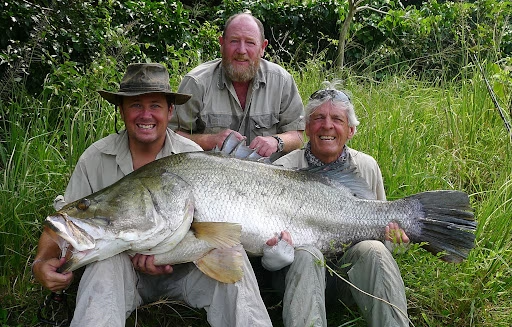

Nile Perch
Nile Perch: The Giant of African Waters
Nile Perch (Lates niloticus) is one of Africa’s most famous freshwater fish. This massive predator thrives in lakes and rivers across the continent, with Lake Victoria being one of its most significant habitats. Valued for its delicious taste, economic importance, and ecological impact, it remains a crucial part of Uganda’s fishing industry and food culture.
What is Nile Perch?
It is a large, silver-scaled fish known for its firm, white flesh. It can grow over 2 meters long and weigh more than 200 kg. As a top predator in freshwater ecosystems, it feeds on smaller fish, helping control fish populations in the lakes it inhabits.
Habitat and Distribution
The largest populations exist in warm tropical fresh water.
- Lake Victoria – Shared by Uganda, Kenya, and Tanzania, this is the most famous habitat.
- Lake Albert & Lake Kyoga – Other major Ugandan lakes where the perch populations thrive.
- The Nile River – The species extends along the Nile’s course through multiple African countries.
Economic and Environmental Impact
Fishing Industry and Trade
The introduction of Nile Perch into Lake Victoria in the 1950s turned the lake into one of the world’s most productive fisheries. Uganda exports large amounts of Perch’s fillets to Europe, Asia, and the Middle East, providing jobs for thousands of fishermen, traders, and processors.
Ecological Controversy
Despite its economic benefits, it has dramatically altered Lake Victoria’s ecosystem. It preyed on native fish species, leading to the decline of smaller fish like tilapia and haplochromines. Conservationists continue to study its long-term effects on biodiversity.
Culinary Significance
Nile Perch is a staple in Ugandan cuisine. Its firm, mild-flavored meat makes it a favorite in homes, restaurants, and markets. Popular preparation methods include:
- Deep-Fried Nile Perch – Crispy on the outside, juicy on the inside, often served with chips or matooke.
- Grilled Nile Perch – Cooked over an open flame with spices for a smoky, delicious taste.
- Stewed Nile Perch – Slow-cooked with tomatoes, onions, and local spices, served with posho or rice.
- Smoked or Sun-Dried – A preservation method that enhances flavor and extends shelf life.
Health Benefits of Nile Perch
This fish is not just tasty but also highly nutritious.
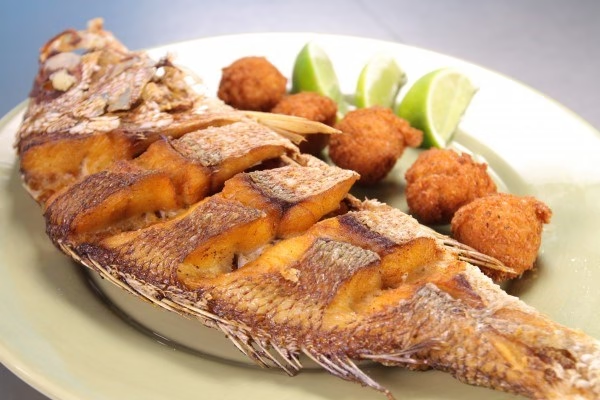
- Rich in Omega-3 Fatty Acids—Supports heart health and brain function.
- High in Protein—Builds muscles and boosts energy levels.
- Low in Carbohydrates—Ideal for Healthy Diets.
Enjoy Uganda’s Finest Fish
The fish represents Uganda’s fishing heritage, economic strength, and culinary excellence. Whether enjoyed fresh, grilled, or deep-fried, it remains a must-try dish for anyone visiting East Africa.
Plan Your Food Adventure in Uganda
Taste freshly caught fish at Uganda’s local markets, lakeside restaurants, or home-cooked meals. Contact Us